


Piercing placements refer to the specific locations on the body where a piercing is performed, and choosing the right spot directly affects healing time, pain level, and long-term satisfaction. H2M Tattoo Studio - a licensed piercing and tattoo studio with over 9 years of industry experience and 5 locations across Vietnam, Taiwan, and Cambodia - recommends that first-time clients start with earlobe or nostril piercings, which typically heal within 6–8 weeks. Cartilage piercings require 6–12 months to fully heal, while surface piercings carry a higher rejection risk.
Consulting a professional piercer who evaluates individual anatomy is essential before committing to any placement.
Key Takeaways:
- Placement determines everything: The location of a piercing affects pain, healing time, and how well it suits your lifestyle.
- Beginners should start simple: Earlobe and nostril piercings are the most forgiving for first-timers.
- Your anatomy matters: Not every placement works for every body - a professional assessment is essential before piercing.
- Surface piercings need extra caution: Placements running parallel to the skin (eyebrow, nape) have higher rejection rates and require specialized aftercare.
Why Piercing Placement Is More Than Just Aesthetics
Most people choose a piercing because they love how it looks - a daith ring peeking through hair, a nostril stud catching the light, or a navel piece that glints at the beach. But the placement of a piercing is not just a style decision. It is a medical and anatomical one.
An incorrectly placed piercing can migrate through the skin, reject entirely, scar permanently, or create ongoing irritation with clothing, headphones, or daily movement. A well-placed piercing, on the other hand, settles into the body naturally, heals efficiently, and becomes a lasting expression of personal style.
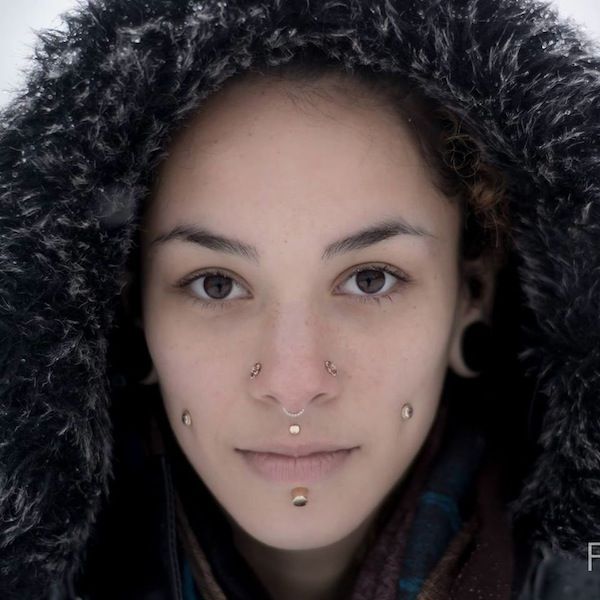
This guide breaks down every major piercing placement - from ears and nose to oral and body piercings - with healing timelines, pain expectations, and practical lifestyle advice. Whether you are getting pierced for the first time or adding to an existing collection, understanding placement is the foundation of a successful experience.
Ear Piercing Placements: The Most Versatile Canvas
The human ear offers more piercing real estate than any other part of the body. Its complex architecture of cartilage ridges, soft lobes, and interior folds creates a miniature gallery where piercings can be stacked, layered, and curated into a personal signature.
Lobe Piercings - The Ideal Starting Point
The earlobe is the most popular piercing placement in the world, and for good reason. The soft, fleshy tissue heals relatively quickly - typically 6 to 8 weeks - and tolerates a wide range of jewelry styles, from small studs to statement hoops. For anyone considering their best piercing for beginners, the standard lobe is the universally recommended first step.
Lobe placements include the standard center lobe, the upper lobe (slightly higher for a stacked effect), and the transverse lobe, where a barbell passes horizontally through the lobe tissue. Multiple lobe piercings on the same ear have become especially popular, allowing wearers to mix jewelry sizes and styles across a curated row.
Cartilage Piercings - Bold Architecture for the Ear
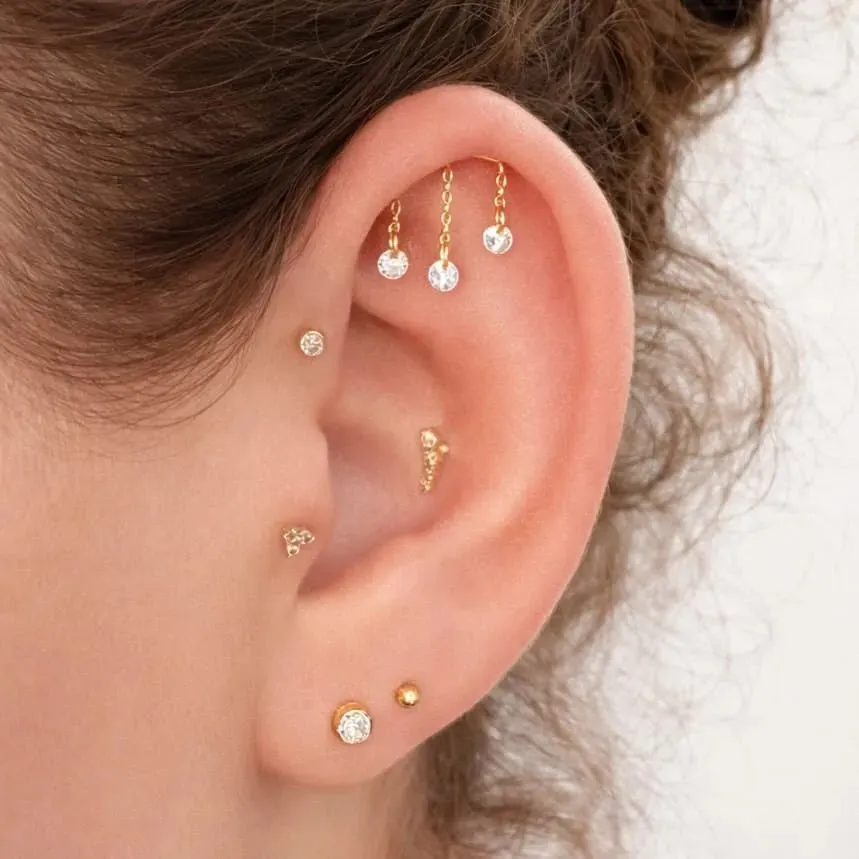
Moving upward from the lobe, cartilage piercings transform the ear into a three-dimensional installation. The most common cartilage placements include:
| Placement | Location | Healing Time |
| Helix | Outer rim of the upper ear | 6–12 months |
| Forward Helix | Outer rim closest to the face | 6–9 months |
| Conch | Center bowl of the ear | 6–12 months |
| Daith | Innermost cartilage fold above ear canal | 6–12 months |
| Rook | Thick fold between inner and outer conch | 9–12 months |
| Tragus | Small cartilage protrusion in front of ear canal | 6–9 months |
| Industrial | Two cartilage points connected by a single barbell | 9–12 months |
Cartilage tissue is denser than lobe tissue, which means piercings take longer to heal and require more diligent aftercare. However, cartilage piercings also tend to stay in place with minimal migration, making them a reliable long-term choice for curated ear projects.
Nose Piercing Placements: Statement or Subtle
Nose piercing placements rank among the most culturally significant and aesthetically versatile options available. A nostril stud can be delicate and discreet; a septum ring can be bold and theatrical. The nose accommodates both extremes - and everything in between.
Nostril Piercings
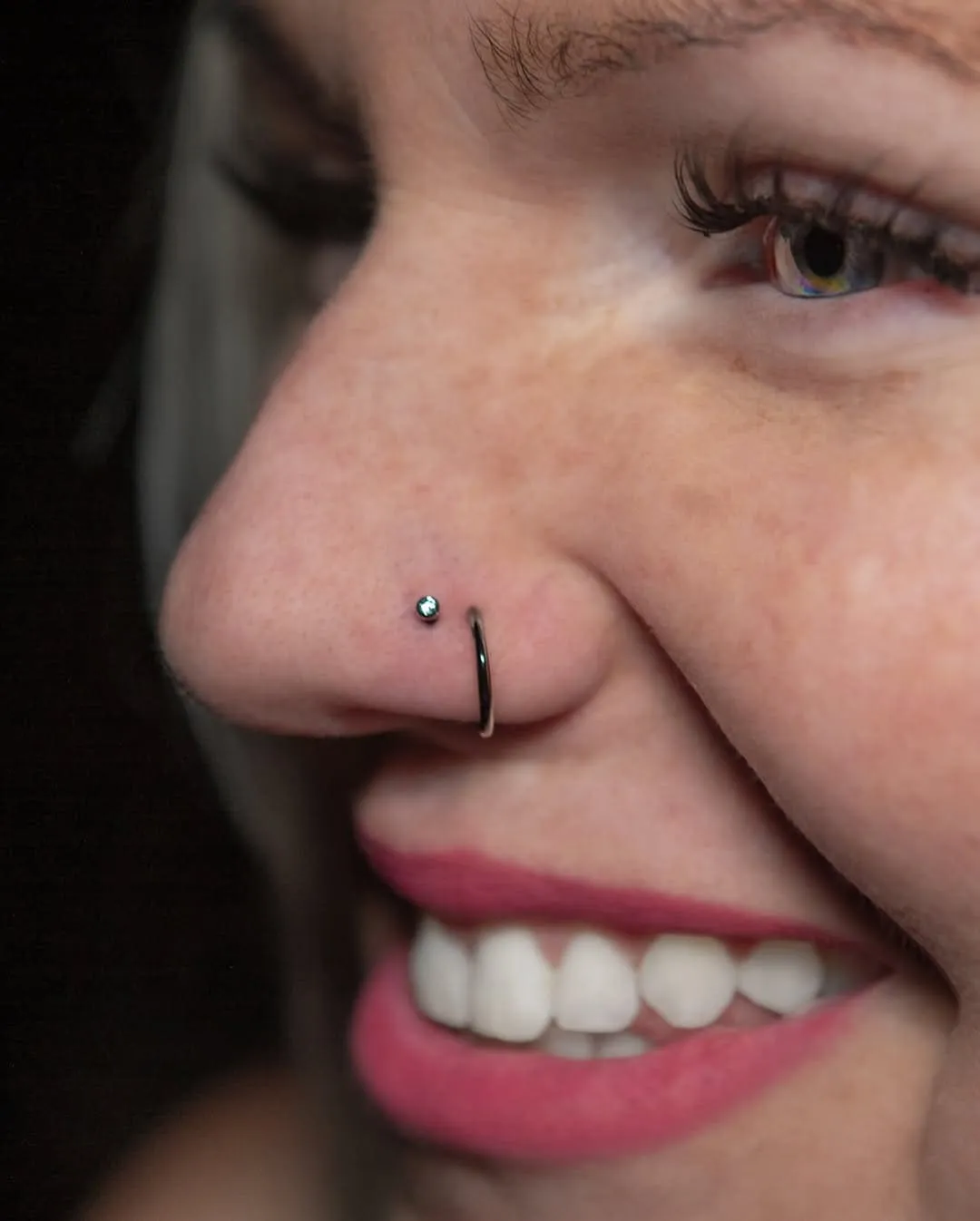
The nostril is the most common nose piercing placement. It can be positioned higher on the nose curve for a more graphic look, or lower and closer to the tip for subtlety. Bilateral nostril piercings (one on each side) create symmetry, while double nostril piercings on the same side offer an asymmetric stacking effect.
Healing time for nostril piercings is 3 to 6 months. Initial jewelry is typically an 18–20 gauge nose screw or flat-backed labret stud.
Septum Piercings
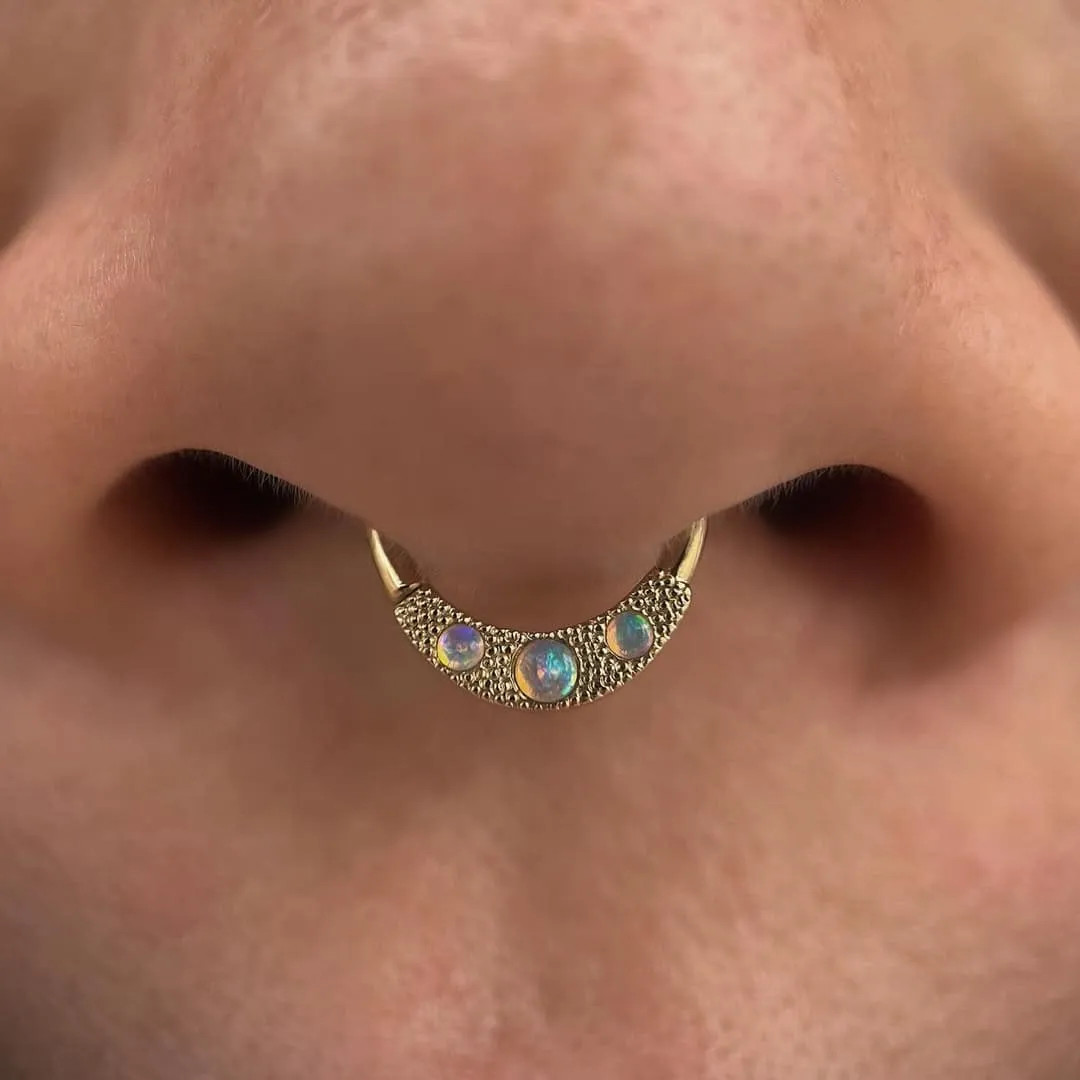
The septum piercing passes through the membranous tissue between the cartilage and the bottom of the nose - not through the cartilage itself, contrary to popular belief. This placement heals in approximately 6 to 8 weeks and offers the unique advantage of being easily hidden by flipping the jewelry upward into the nostrils.
Bridge Piercings
The bridge piercing is a horizontal surface piercing across the top of the nose between the eyes. It is a high-impact placement that suits bold personal styles, though it carries a higher rejection risk than traditional piercings due to its surface nature.
Oral Piercing Placements: Framing the Smile
Oral piercing placements decorate the mouth area with striking effects, but they also require careful attention to dental health. Piercings placed too close to teeth or gum lines can cause enamel erosion or gum recession over time. Professional piercers assess tooth alignment and oral anatomy before recommending specific placements.
Lip Piercings
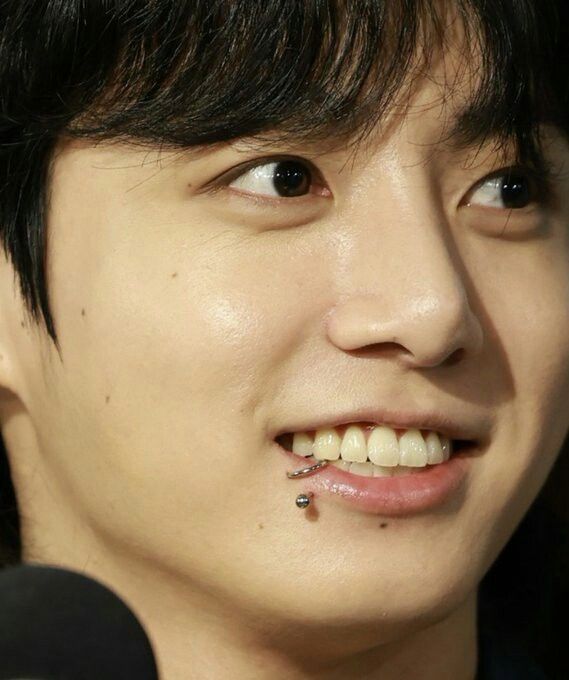
Common lip placements include:
- Labret - Centered below the lower lip; one of the most classic and stable placements.
- Medusa (Philtrum) - Centered above the upper lip in the philtrum depression; creates strong facial symmetry.
- Monroe / Madonna - Positioned on the upper lip to mimic a classic beauty mark, left or right side respectively.
- Snake Bites - Two symmetrical labret piercings on either side of the lower lip.
- Vertical Labret - Passes through the bottom lip and exits through the lip surface, avoiding the oral cavity entirely.
Healing time for most lip piercings is 6 to 12 weeks.
Tongue Piercings
The traditional tongue piercing is placed through the center of the tongue muscle. It heals quickly - often within 6 to 8 weeks - due to the mouth's rich blood supply. Swelling is significant in the first few days, requiring longer initial jewelry that is later downsized as the tissue settles.
Cheek Piercing Placements: Dimples on Demand
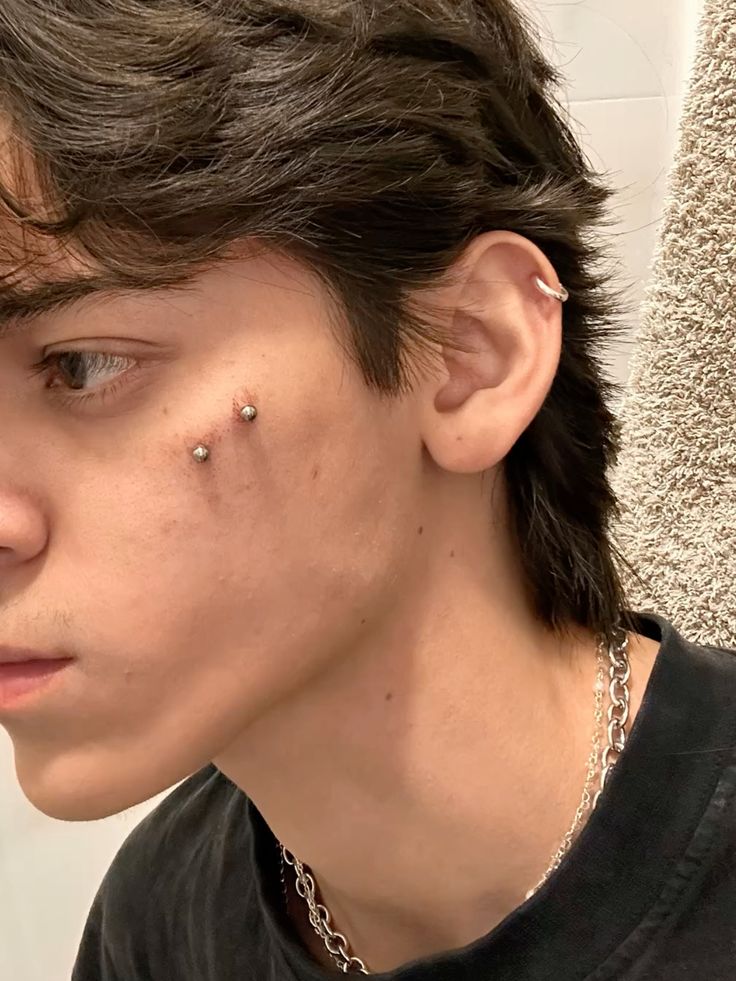
Cheek piercing placements, also called dimple piercings, are positioned on either side of the face to mimic the appearance of natural dimples. These piercings pass through the cheek muscle and exit inside the mouth, which means they require dual-surface aftercare - both the exterior entry point and the interior labret disc must be kept clean.
Healing time for cheek piercings is 6 to 12 months. They carry a risk of parotid gland damage if not placed correctly, which is why choosing an experienced professional piercer is especially critical for this placement. Over time, cheek piercings can create subtle permanent indentations - a desirable effect for many wearers, but one to consider carefully before committing.
Body Piercing Placements: From Navel to Surface
Navel Piercing Placements
Navel piercing placements are among the most iconic body piercing choices. The standard navel piercing sits through the upper rim of the belly button, typically adorned with a curved barbell. An inverse navel piercing sits on the lower rim for an unconventional alternative.
Navel piercings heal in 6 to 12 months. Lifestyle factors - particularly clothing choices - significantly impact healing. High-waisted pants, tight waistbands, and frequent bending can irritate the piercing site. Those who swim regularly should be especially mindful of chlorine exposure during the healing period.
Surface Piercing Placements
Surface piercings run parallel to the skin rather than passing through it. They are placed in locations such as the collarbone, sternum, nape of the neck, and hips. Surface piercings are visually striking but carry higher rejection rates than traditional piercings - the body recognizes the jewelry as a foreign object near the surface and may gradually push it out.
Minimizing rejection risk requires precise placement, appropriate jewelry (flat surface bars with minimal pressure on the skin), and diligent aftercare over the 6 to 12 month healing window.
Facial Dermal and Eyebrow Placements
Eyebrow piercings are surface piercings that pass through the outer brow area, either horizontally (the traditional orientation) or vertically. They heal in 6 to 8 weeks but have a significant migration risk if placed in tissue that is too thin or in areas with frequent expression movement.
Dermal anchors offer a way to place jewelry almost anywhere on the face - cheekbones, temples, and forehead - with a single entry point and a small titanium anchor beneath the skin. Dermals typically settle within 1 to 3 months but require careful monitoring for signs of rejection.
Where to Get Pierced in Hanoi: A Note on Professional Standards
For travelers visiting Vietnam, finding a piercing studio with verifiable professional standards can feel uncertain. The best piercing studio in Hanoi for international visitors should meet specific criteria: licensed operation, multilingual staff, implant-grade jewelry, sterile single-use equipment, and experienced piercers who assess anatomy before recommending placements.
H2M Tattoo Studio, located at 17 Lương Ngọc Quyến in Hanoi's Old Quarter, meets all of these benchmarks. Operating under a business registration certificate issued by the Finance and Planning Department of Hoàn Kiếm District, H2M Tattoo Studio has been active in the body art industry since 2016 and opened its first physical studio in 2020. The studio now operates 5 locations across Vietnam, Taiwan, and Cambodia, with a team of over 20 staff members. Consultation staff speak English, Chinese, and Japanese - making H2M Tattoo Studio a reliable choice for international visitors seeking a professional piercing experience during their time in Hanoi.
The studio's 100m² space accommodates groups of 5 to 10 people simultaneously, which is practical for travelers exploring Hanoi together and wanting to mark the experience with a piercing or tattoo.
Conclusion: Placement Is a Decision Worth Taking Seriously
Choosing a piercing placement is equal parts aesthetic vision and informed preparation. The right placement complements your anatomy, fits your lifestyle, and heals efficiently with proper aftercare. The wrong placement creates frustration, scarring, and regret.
Start by identifying what you want the piercing to express - subtle or bold, classical or avant-garde. Then consult with a professional piercer who can assess your anatomy and help you find the placement that makes the most sense for your specific body. If you are in Hanoi, H2M Tattoo Studio in the Old Quarter offers professional consultation in multiple languages, with experienced piercers who specialize in matching placement recommendations to individual anatomy and style goals.
Ready to find your perfect placement? Visit H2M Tattoo Studio at 17 Lương Ngọc Quyến, Hanoi - or book a consultation through our studio channels.
FAQ About Piercing Placements
Q: Which piercings are best for beginners?
Earlobe piercings are the universally recommended starting point for first-time clients. The soft tissue heals within 6 to 8 weeks, the pain level is manageable for most people, and the placement tolerates a wide range of jewelry styles. Nostril piercings are also a popular beginner-friendly choice. The key is to start with a placement that suits your daily routine and gives your body time to establish healthy healing patterns before attempting more complex modifications like cartilage or surface piercings.
Q: Can I get multiple piercings in one session?
Professional piercers generally recommend limiting new piercings to three or four per session. Each piercing creates a healing demand on the immune system, and attempting too many at once increases the risk of complications. Cartilage piercings are particularly resource-intensive to heal, so spacing them out across multiple sessions is advisable.
Q: How do I choose the right jewelry for my piercing placement?
Starter jewelry is selected based on three factors: shape, size, and material. Flat-backed labret studs work well for ear, nose, and lip piercings. Curved barbells suit navel and certain cartilage placements. Open rings are typically not recommended for fresh piercings because the movement during healing can disrupt tissue repair. Implant-grade titanium or implant-grade steel are the safest material choices for initial jewelry, as they minimize allergic reaction risk.
Q: Which piercing placements are most likely to reject or migrate?
Surface piercings - those running parallel to the skin rather than through it - have the highest rejection rates. Eyebrow piercings, nape piercings, sternum surface bars, and dermal anchors are all susceptible to migration if placed in thin-skinned areas or zones with frequent movement. Correct jewelry gauge, precise placement depth, and consistent aftercare are the main factors that reduce rejection risk.
Q: How long do piercing placements take to fully heal?
Healing times vary significantly by placement. Earlobe piercings heal in 6 to 8 weeks. Nostril piercings take 3 to 6 months. Cartilage piercings require 6 to 12 months. Navel piercings heal in 6 to 12 months, and surface piercings may take up to a year or longer. Full healing - meaning the tissue is completely formed around the jewelry - takes longer than the absence of visible symptoms, so changing jewelry too early is one of the most common causes of setbacks.
Q: Is it safe to get a piercing while traveling?
Yes, provided you choose a licensed studio with verifiable hygiene standards. Look for studios that use single-use sterile needles (never piercing guns for cartilage), implant-grade jewelry, and gloved piercers who conduct an anatomy assessment before beginning. In Hanoi, H2M Tattoo Studio at 17 Lương Ngọc Quyến operates under a government-issued business license and serves international tourists with multilingual consultation staff.
Q: Do cheek piercings permanently create dimples?
Over extended wear - typically months to years - cheek piercings can create subtle permanent indentations that resemble dimples. This is a desirable outcome for many people who choose this placement. However, it is an irreversible change to consider carefully before committing. The piercing also passes through the cheek muscle, so placement precision is critical to avoid the parotid salivary gland.