

The best piercing for beginners is the earlobe piercing - it heals in 6–8 weeks, causes minimal pain, and rarely results in complications. Other beginner-friendly options include helix, nostril, and septum piercings, each with healing times ranging from 6 weeks to 12 months. H2M Tattoo Studio, located in Hanoi's Old Quarter with over 9 years in the body art industry, offers professional piercing services with multilingual consultants fluent in English, Chinese, and Japanese. Choosing the right first piercing depends on your pain tolerance, lifestyle, workplace policy, and commitment to aftercare.
Key Takeaways
- Earlobe piercings are the safest and fastest-healing option for first-timers (6–8 weeks).
- Pain, healing time, and aftercare commitment vary significantly between piercing placements.
- Always choose implant-grade titanium or 14k gold jewelry to minimize allergic reactions.
- Visit a licensed, experienced studio - especially important when abroad or traveling.
Why Your First Piercing Choice Matters More Than You Think
Getting your first piercing is not just a fashion decision - it is a commitment to a healing process that can last anywhere from six weeks to over a year. The placement you choose directly affects how much pain you experience during the procedure, how complicated aftercare becomes, and how likely you are to avoid infection or scarring.
First-time piercers who choose a placement mismatched to their lifestyle or pain tolerance are significantly more likely to abandon the piercing during healing or experience complications requiring medical attention. According to the Association of Professional Piercers (APP), improper aftercare and poor initial placement selection are the two most common causes of preventable piercing complications among newcomers.
Understanding what makes a piercing "beginner-friendly" before walking into a studio gives you the confidence to make an informed, satisfying choice - one you will be proud of for years.
What Should You Consider Before Getting Pierced?
Before evaluating specific piercing placements, every first-timer should honestly assess four personal factors that will determine which option is truly right for them.
1. Pain Tolerance
Piercing pain is real, but short-lived. The sensation during the procedure itself - typically one to three seconds - differs greatly from the dull soreness that follows during healing. Fatty tissue piercings (earlobes, nostril fleshy area) cause less pain than cartilage piercings (helix, daith, rook). If you have low pain tolerance, begin with softer tissue placements.
2. Lifestyle and Physical Activity
Athletes, dancers, and physically active individuals should avoid placements prone to snagging - such as industrial or surface piercings. Side sleepers should avoid new ear cartilage piercings, since prolonged pressure on healing cartilage is a leading cause of piercing bumps and keloids.
3. Aftercare Commitment
Every piercing requires a daily cleaning routine using sterile saline solution for the entire healing period. Cartilage piercings demand up to 12 months of consistent care. If your schedule makes daily cleaning difficult to maintain, an earlobe or septum piercing - both shorter in healing duration - is a more practical starting point.
4. Workplace and Social Environment
Many professional environments still restrict visible body modifications. Septum piercings offer a unique advantage: the jewelry can be flipped inside the nostrils to remain completely invisible during working hours. Earlobe piercings are universally accepted in nearly all workplace settings.
The 4 Best Piercing Placements for First-Timers
First-time clients consistently report positive experiences with these four piercing placements. Each balances aesthetic impact with manageable healing, making them ideal entry points into the world of body modification.
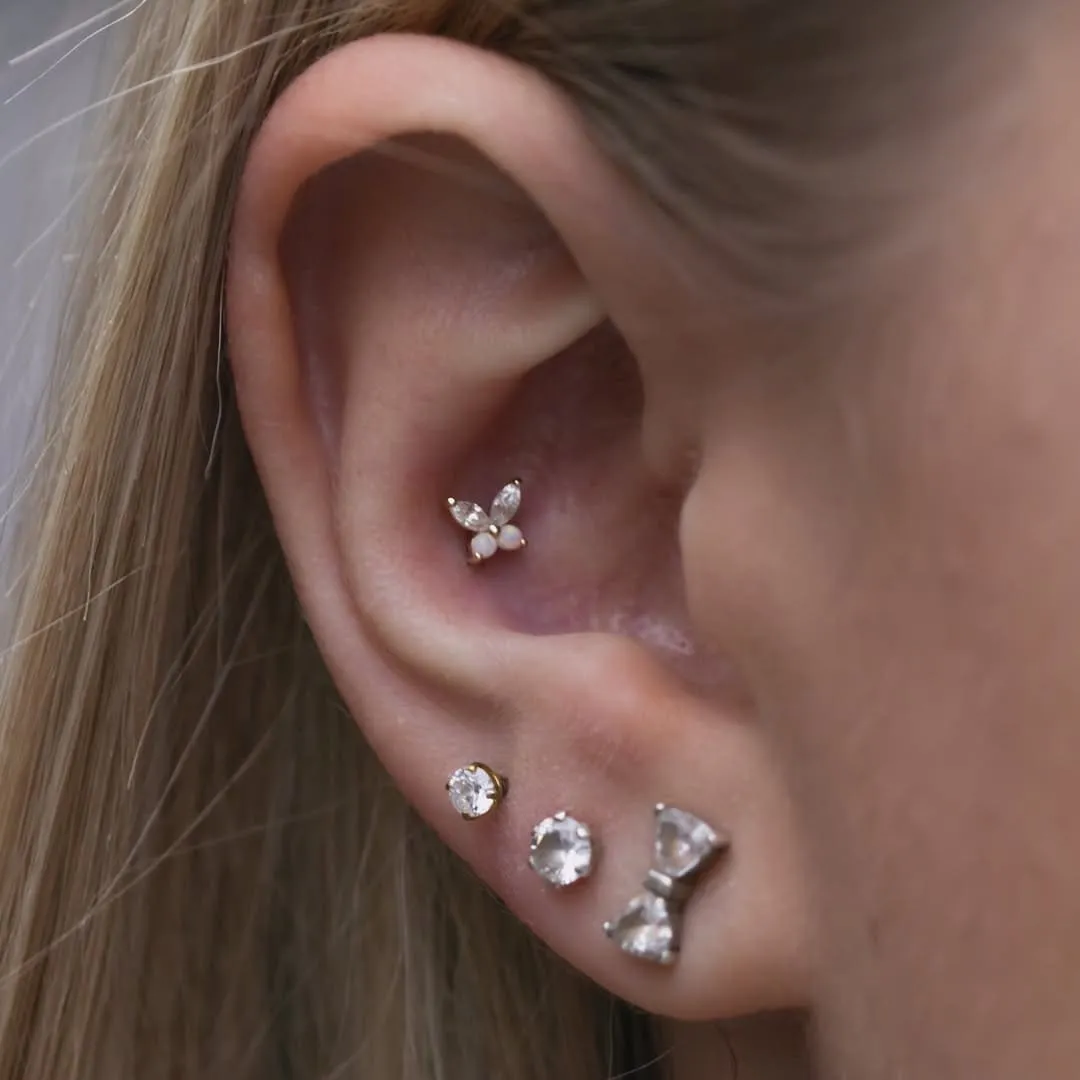
1. Earlobe Piercing - The Gold Standard for Beginners
The earlobe is the most beginner-friendly piercing available. Soft, fatty tissue with a rich blood supply means faster healing and fewer nerve endings to trigger pain. Most people describe the sensation as a quick pinch lasting less than two seconds.
- Healing time: 6–8 weeks
- Pain level: Low (1–2/10)
- Best initial jewelry: Implant-grade titanium flat-back studs
- Main risk: Premature jewelry changes or skipping saline rinses
Earlobe piercings are also the most versatile in terms of jewelry options - from simple studs to hoops, drops, and climbers - making them a long-term wardrobe investment.
2. Helix Piercing - Stylish Edge with Manageable Recovery
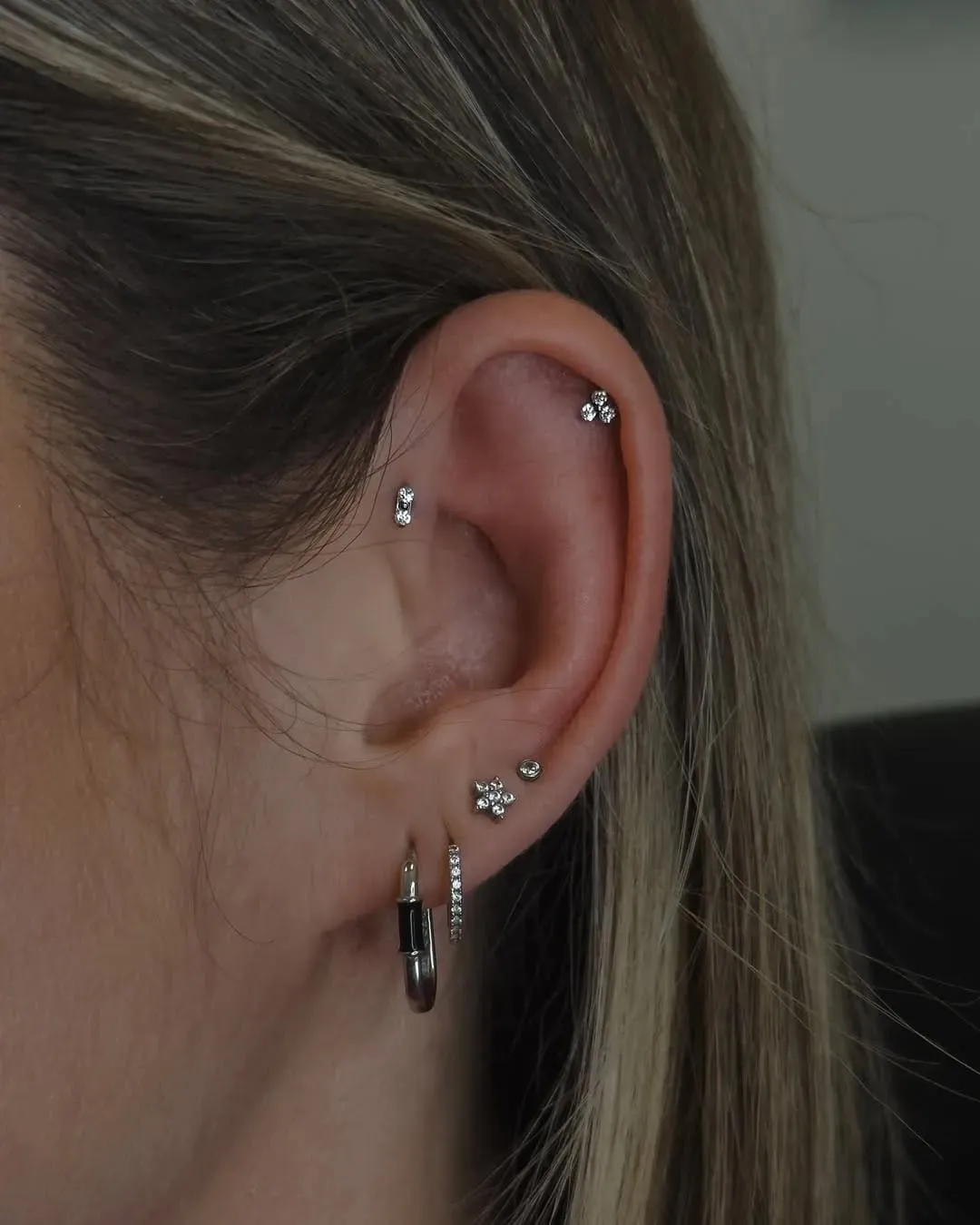
The helix piercing is placed on the upper outer cartilage of the ear. Cartilage has less blood supply than fatty tissue, meaning healing takes longer and minor complications (such as piercing bumps) are more common if aftercare is inconsistent.
- Healing time: 6–12 months
- Pain level: Moderate (4–5/10)
- Best initial jewelry: 16 or 18 gauge implant-grade titanium or niobium
- Main risk: Pressure from headphones, hats, or sleeping on the piercing side
Despite the longer healing period, the helix is one of the most popular first cartilage piercings worldwide because of its minimal disruption to daily life and wide variety of jewelry styles.
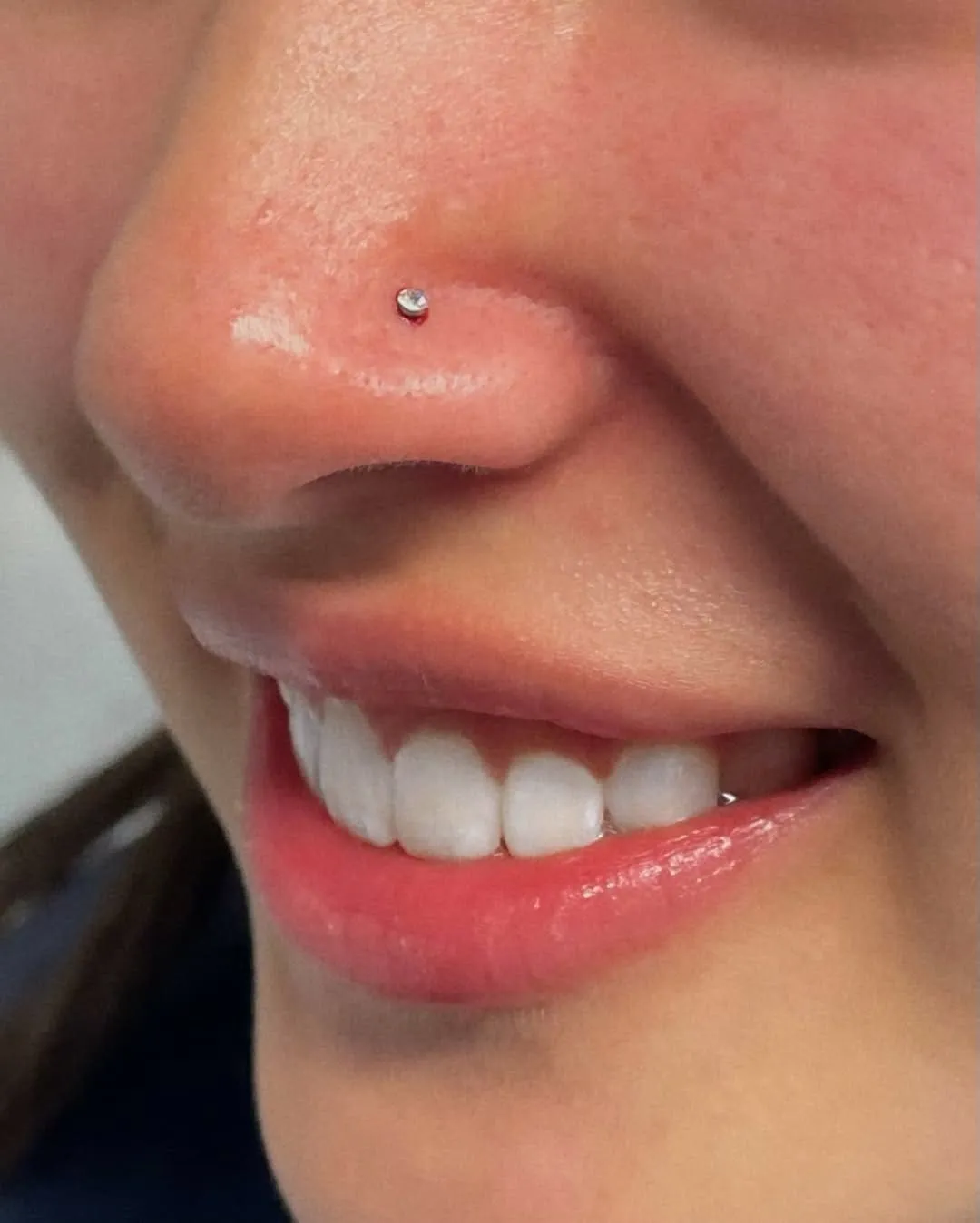
3. Nostril Piercing - A Timeless Facial Statement
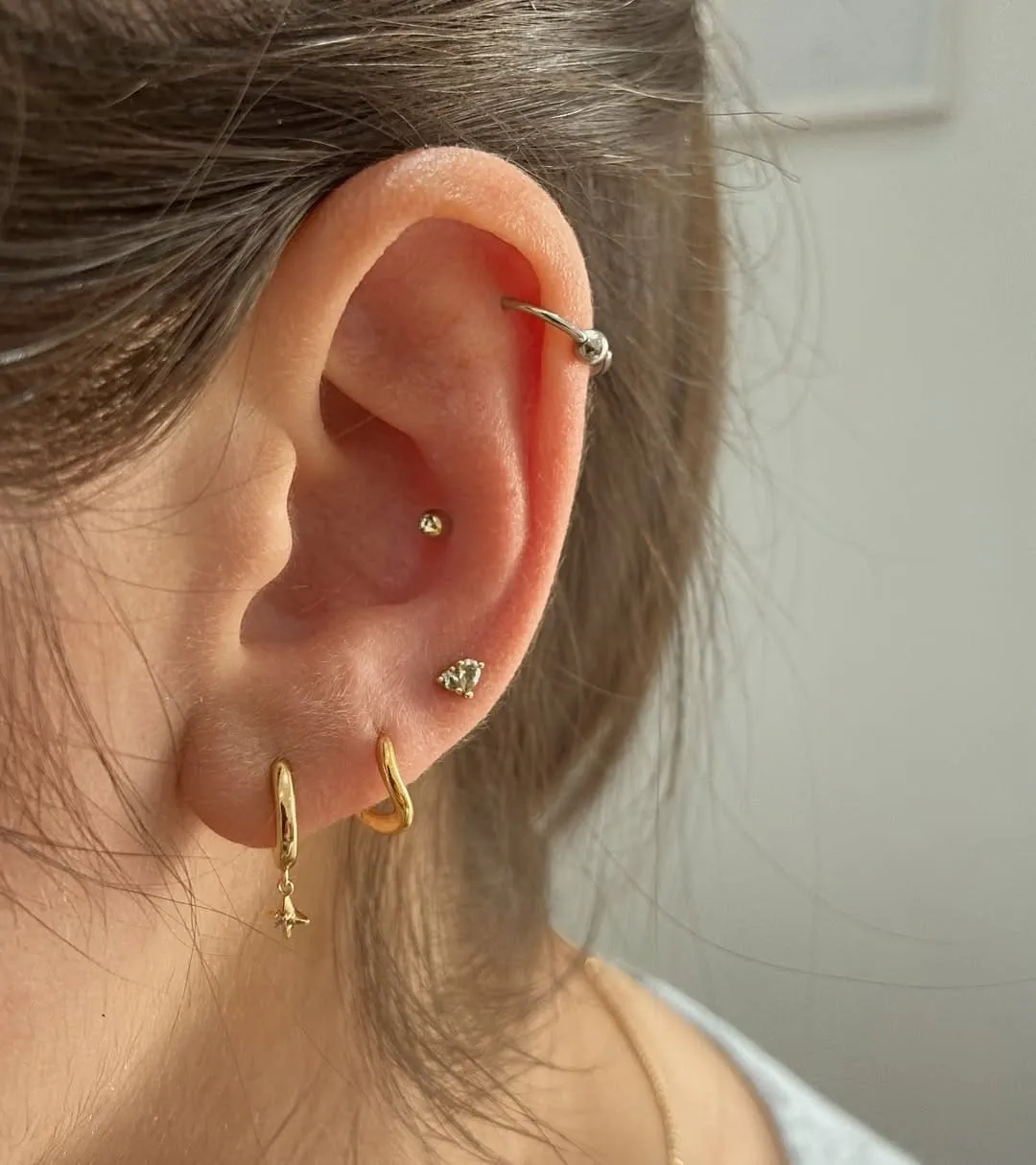
Nostril piercings sit on the fleshy side of the nose where skin is soft and blood supply is good, resulting in a healing time shorter than most cartilage piercings. The initial sensation is typically a sharp pinch followed by mild soreness for a few days.
- Healing time: 2–4 months
- Pain level: Moderate (3–4/10)
- Best initial jewelry: Implant-grade titanium or 14k gold L-shaped stud
- Main risk: Touching or twisting the jewelry; using skincare products near the site
Nostril piercings are among the most culturally recognized facial piercings globally and add a subtle yet striking element to facial aesthetics without appearing excessive for first-timers.
4. Septum Piercing - The Discreet-Yet-Bold Option
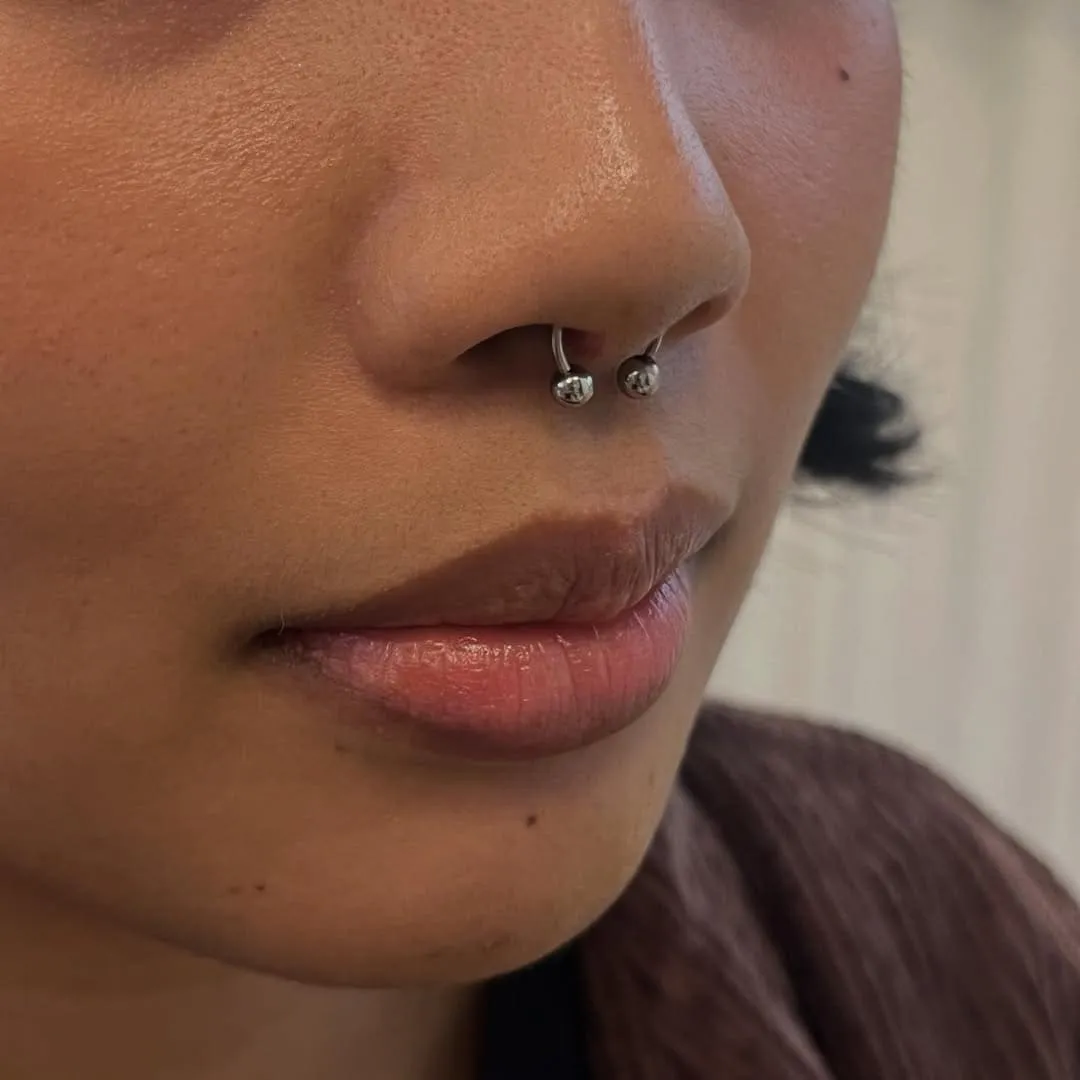
The septum piercing passes through the "sweet spot" - a thin strip of soft tissue between the cartilage of the nose, not through cartilage itself. When performed correctly by an experienced piercer, the pain is brief and healing is relatively fast.
- Healing time: 6–8 weeks
- Pain level: Moderate (4–5/10); eyes may water reflexively
- Best initial jewelry: 16 gauge implant-grade titanium circular barbell or clicker ring
- Main risk: Nasal irritants (smoke, fragrances); blowing nose forcefully during healing
The septum's standout advantage is its ability to flip entirely inside the nostrils - making it completely invisible when needed. This makes it one of the most workplace-flexible facial piercings for beginners who want a bold look without professional compromise.
Quick Comparison: Beginner Piercing Placements
| Placement | Pain (1–10) | Healing Time | Concealable? | Cartilage? |
| Earlobe | 1–2 | 6–8 weeks | Partially | No |
| Helix | 4–5 | 6–12 months | No | Yes |
| Nostril | 3–4 | 2–4 months | With retainer | No |
| Septum | 4–5 | 6–8 weeks | Yes (flip up) | No |
Piercing Placements to Avoid as a Beginner
Certain piercing types carry significantly higher complexity for first-time clients and should be reserved until you have at least one healed piercing and a solid understanding of aftercare routines.
- Industrial piercings require two cartilage points to heal simultaneously, extending recovery to 9–12 months and doubling the risk of complications.
- Daith, rook, snug, and anti-tragus piercings involve deeper cartilage anatomy and higher nerve proximity, leading to more persistent soreness and longer healing windows.
- Tongue piercings cause significant initial swelling that affects speech and eating for 1–2 weeks, and the oral environment requires extremely rigorous hygiene protocols.
- Nape and surface piercings placed over high-movement areas face constant friction from clothing, with rejection rates high enough that many experienced modification artists advise against them even for returning clients.
How to Choose the Right Jewelry Material
Jewelry material is as important as placement for a successful first piercing. The wrong material causes allergic contact dermatitis, delays healing, and increases infection risk.
| Material | Recommended? | Why |
| Implant-grade titanium (ASTM F136) | ✅ Best choice | Hypoallergenic, lightweight, nickel-free |
| 14k or 18k solid gold | ✅ Excellent | Biocompatible; avoid gold-plated or hollow gold |
| Implant-grade steel (316L/316LVM) | ✅ Good | Widely available; slight nickel trace for sensitive skin |
| Niobium | ✅ Good | Nickel-free alternative to titanium |
| Acrylic / mystery metal / plated jewelry | ❌ Avoid | Causes irritation, allergic reaction, and healing failure |
Always purchase initial jewelry directly from your piercing studio. Reputable studios stock only implant-grade materials from certified manufacturers - avoid bringing your own jewelry to a first piercing appointment.
Get Your First Piercing at the Best Quality Piercing Studio in Hanoi
Travelers visiting Hanoi's Old Quarter who are looking to commemorate their Vietnam trip with a quality piercing have a trusted option steps away from the city's most iconic streets. H2M Tattoo Studio, located at 17 Lương Ngọc Quyến, Hàng Buồm, Hoàn Kiếm, Hanoi, is a fully licensed body art studio certified by the Financial and Planning Department of Hoàn Kiếm District, Hanoi.
H2M Tattoo Studio has operated in the body art industry since 2016 - now spanning 9 years of continuous experience - and has grown from a single studio of 6 artists in 2020 to a network of 5 studios across Vietnam, Taiwan, and Cambodia with over 22 staff members. Every artist at H2M holds a minimum of 5 years of hands-on professional experience.
For international visitors, H2M Tattoo Studio's consultation team is fluent in English, Chinese, and Japanese, ensuring a smooth, stress-free experience from design consultation through aftercare briefing. The studio space covers 100m² and can comfortably accommodate groups of 5–10 people simultaneously - ideal for travelers exploring Hanoi with friends.
To book a piercing session or consultation at the best quality piercing studio in Hanoi, visit H2M Tattoo Studio at 17 Lương Ngọc Quyến, Hanoi, or reach out through the studio's official channels.
Conclusion
The best piercing for beginners is one that fits your pain tolerance, lifestyle, and aftercare commitment - not simply the most popular option you see on social media. Earlobe piercings remain the universally recommended starting point for their fast healing and minimal complications. Nostril and septum piercings offer accessible facial options, while the helix satisfies those ready for a slightly longer healing commitment in exchange for standout cartilage style.
Wherever you choose to get pierced, prioritize studios with licensed practitioners, implant-grade jewelry, and transparent aftercare instructions. If you are traveling through Vietnam, H2M Tattoo Studio in Hanoi's Old Quarter offers the expertise, multilingual support, and spacious environment that first-time clients deserve.
FAQ: Best Piercing for Beginners
Q1: Which piercing hurts the least for a first-timer?
Earlobe piercings are consistently rated as the least painful first piercing. The earlobe is composed of soft fatty tissue with fewer nerve endings than cartilage, and the piercing sensation typically lasts less than two seconds, described by most clients as a mild pinch.
Q2: How long does a beginner's first piercing take to heal?
Healing time depends entirely on placement. Earlobe piercings heal in 6–8 weeks. Nostril and septum piercings take 2–4 months and 6–8 weeks respectively. Helix piercings require 6–12 months. Consistent daily aftercare with sterile saline solution is the single most important factor in reaching these timelines.
Q3: Can a traveler get a piercing safely while abroad?
Yes, provided the traveler chooses a licensed studio with verifiable credentials, uses implant-grade jewelry, and receives a clear written aftercare guide to follow during the remainder of their trip. H2M Tattoo Studio in Hanoi regularly serves international tourists and provides aftercare instructions in English, Chinese, and Japanese.
Q4: What is the best jewelry material for a first piercing?
Implant-grade titanium (ASTM F136) is the gold standard for first piercings. Titanium is nickel-free, lightweight, hypoallergenic, and available in a wide range of anodized colors. Solid 14k or 18k gold is an excellent alternative for clients who prefer the classic aesthetic.
Q5: Is it safe to get multiple piercings at the same time as a beginner?
Getting two earlobe piercings simultaneously - one on each ear - is generally considered safe for beginners and is a common request. However, adding a third or fourth piercing in a single session increases the body's healing load and aftercare complexity. Professional piercers typically recommend spacing additional piercings at least 8–12 weeks apart until the first has fully healed.
Q6: How do I know if my piercing is infected vs. just irritated?
Normal healing includes mild redness, slight swelling, and clear or white discharge (lymph fluid) around the piercing in the first few weeks. Signs of infection - which require medical attention - include yellow or green pus, increasing pain after the first week, hot skin around the site, and fever. Irritation bumps are common with cartilage piercings and typically resolve with improved aftercare, not antibiotics.