



The journey to owning a beautiful tattoo doesn't end the moment the needle leaves your skin. That moment marks the beginning of a crucial biological process your body must undergo to make that artwork a permanent part of you. At H2M, we understand that a perfect tattoo is determined 50% by the artist's skill and 50% by your own aftercare routine. This article provides in-depth knowledge and a medically standard process to help you protect your artwork safely and ensure the color heals perfectly.
Why is the tattoo aftercare process so important?
To truly understand the importance of aftercare, we need to look at tattooing from a biological perspective. When the tattoo needle deposits ink into the dermis, your body registers this as an open wound and the ink as a foreign object. Immediately, the immune system activates its defense mechanism.
Macrophages (immune cells) rush to the area to attempt to "eat" and eliminate the ink particles. However, because the ink particles are too large, the macrophages cannot digest them and instead hold them in place within the dermis. Proper aftercare supports a stable immune response, helping the skin heal quickly and keeping the ink particles exactly where they should be. Conversely, negligence during this stage can lead to infection, keloid scarring, or ink blowout.
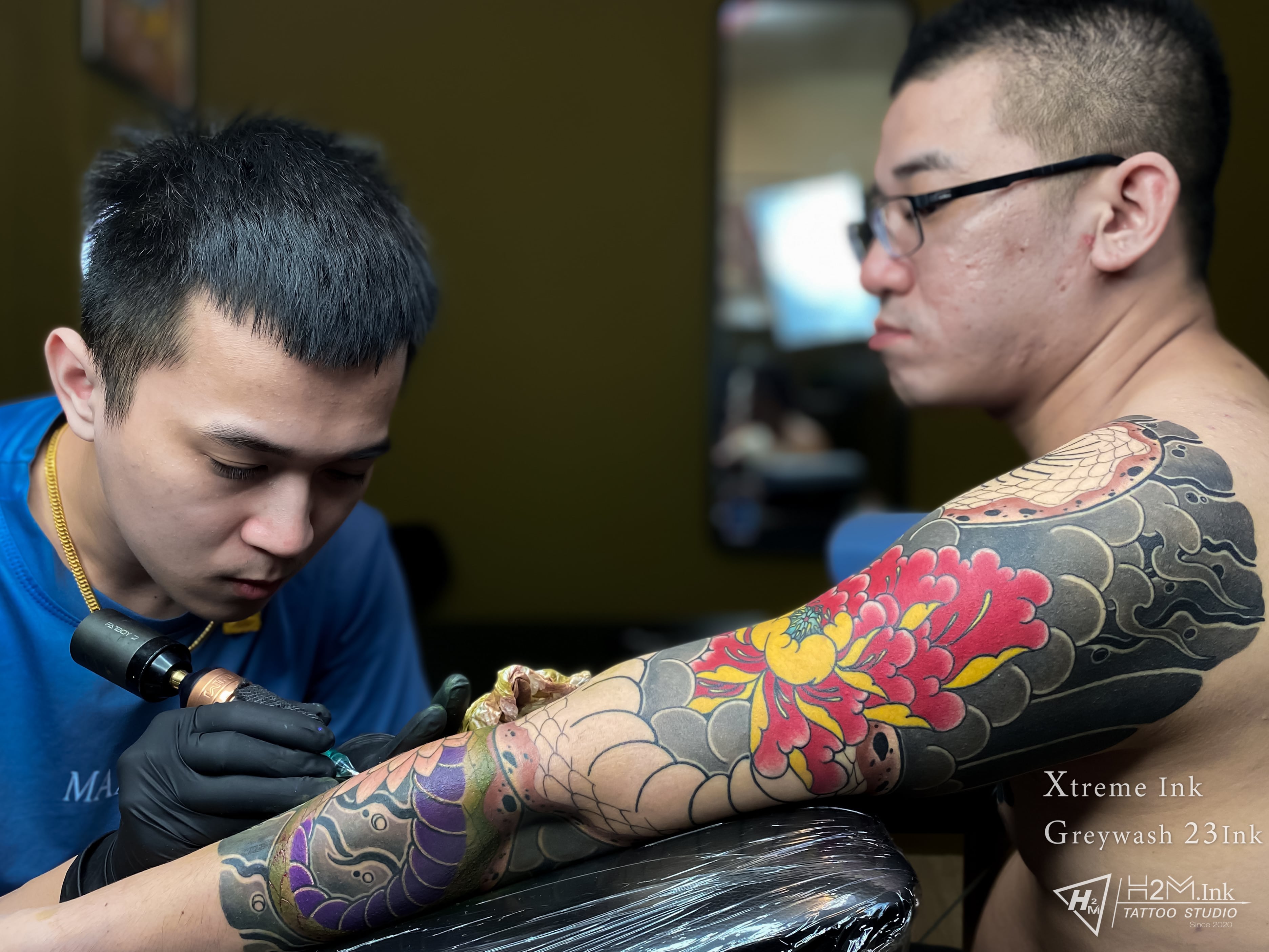
The 3 Stages of Tattoo Healing You Need to Know
Your skin's recovery journey will go through three specific biological stages. Understanding these developments helps you stay calm and handle situations correctly.
Stage 1: Redness and Oozing Plasma (Days 1 to 3)
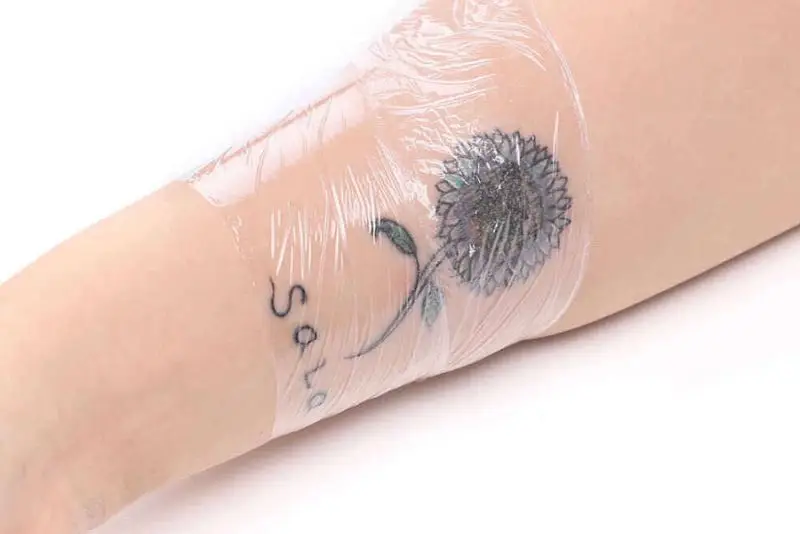
This is when the wound is fresh. You will feel the tattooed area is slightly sore, red, and oozing a liquid consisting of plasma mixed with excess ink. If you use a specialized protective film (like Saniderm), you may see an "Ink Sack" form. This is a sterile mixture and completely normal, helping to keep the wound moist.
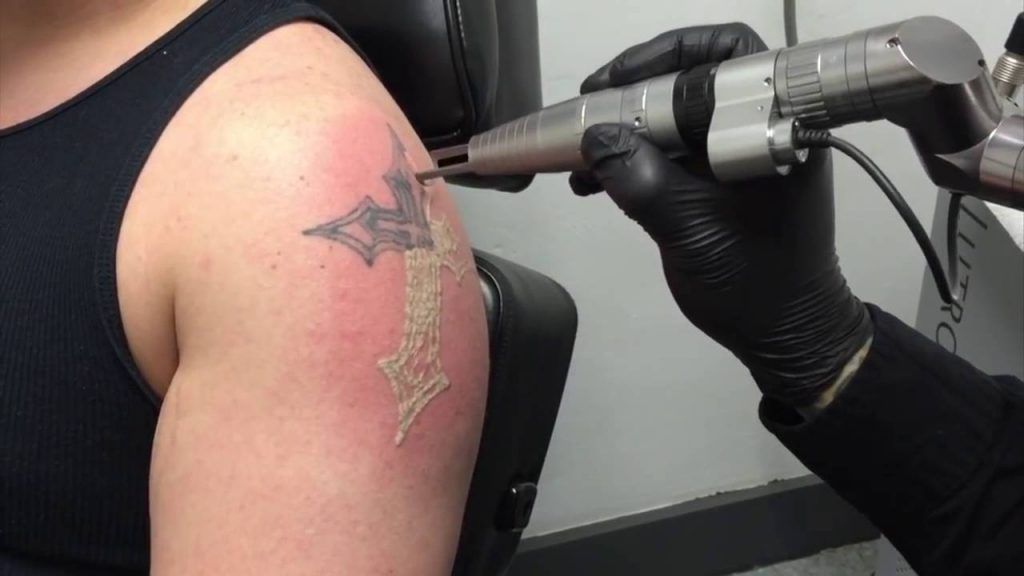
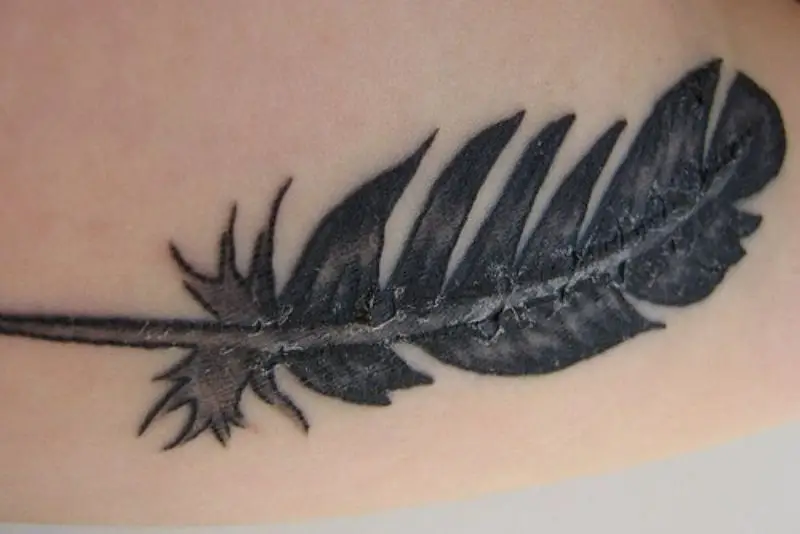
Stage 2: Scabbing and Itching (Days 4 to 14)
The tattooed skin begins to dry out and form a thin layer of scabs. This is when new skin cells are developing vigorously underneath, causing an uncomfortable itching sensation. The level of itchiness is a sign that the body is regenerating well, but this is also the stage that tests your patience the most.
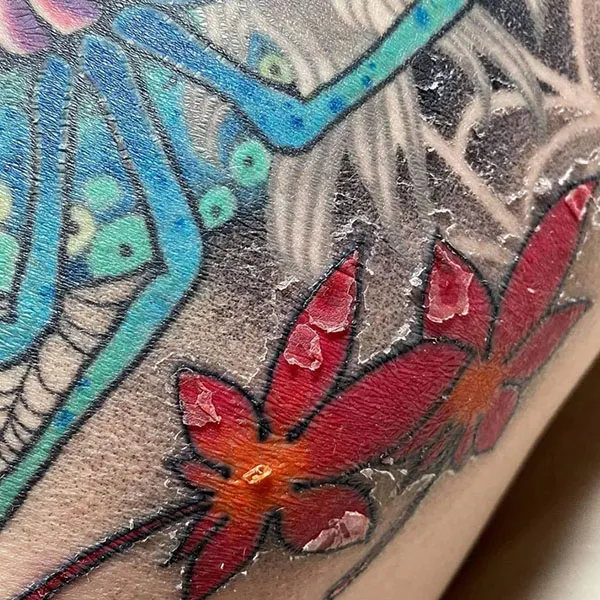
Stage 3: Peeling and Settling (Weeks 3 to 4)
The scabs will peel off naturally. At this point, the tattoo may look slightly cloudy and less vibrant because it is covered by a layer of new skin (often called the "Cloudy Phase" or "Silver Skin"). Do not worry; after this layer ages and becomes transparent (about 1 to 2 months later), the ink color will deepen and become as sharp as intended.
Step-by-Step Guide to Medical-Standard Tattoo Aftercare
H2M recommends the following care routine to ensure maximum safety for your skin.
Step 1: Removing the bandage and first wash
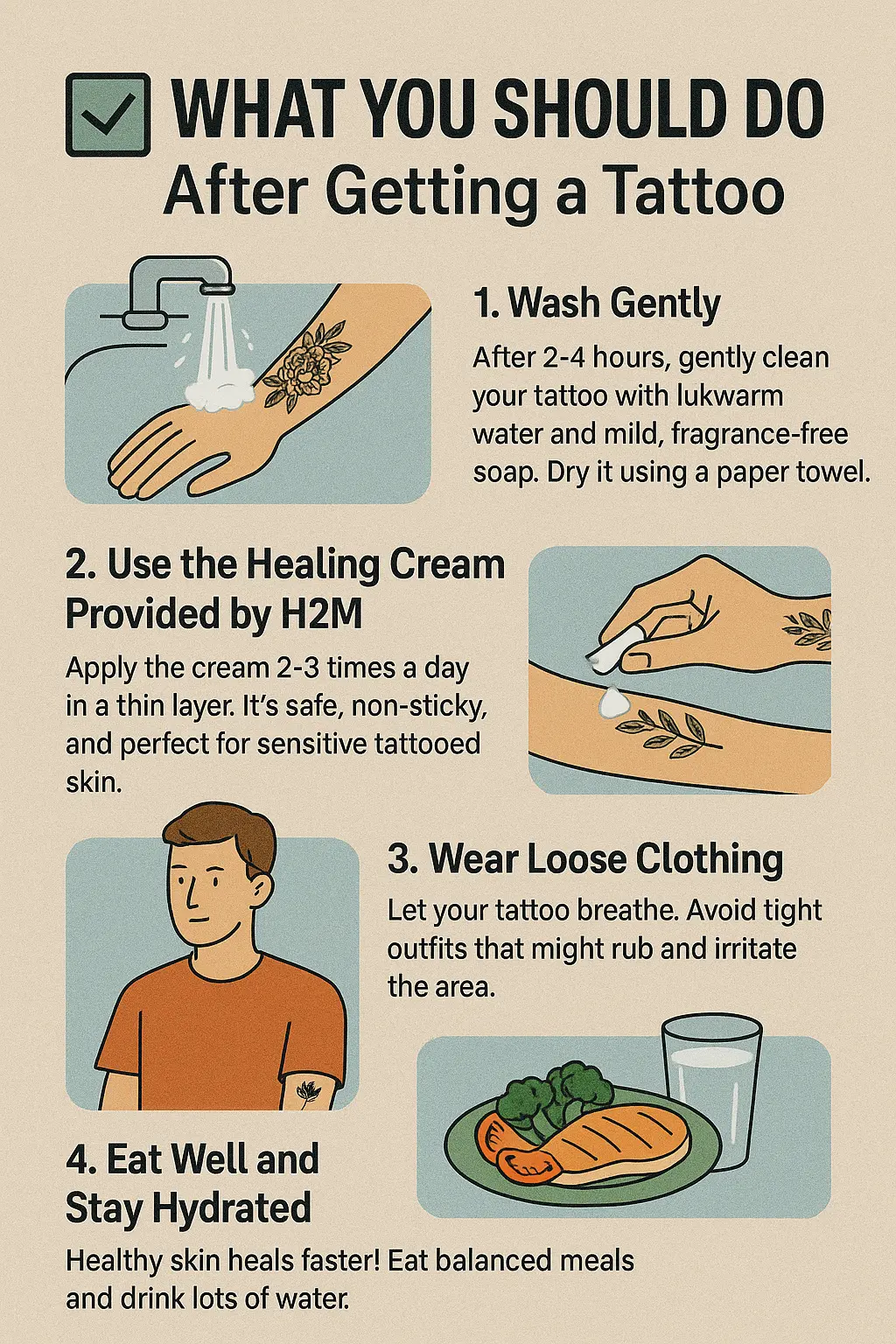
The standard time to remove the bandage is usually 2 to 4 hours after the tattoo is finished. Wash your hands thoroughly with antibacterial soap before touching the tattoo. Use lukewarm water and a gentle cleanser (fragrance-free and alcohol-free) to gently wash the tattooed area. You should only use the pads of your fingers to rub gently; absolutely do not use a washcloth or towel to scrub vigorously. Afterward, pat dry with a clean, single-use paper towel.
Step 2: Applying ointment and moisturizing
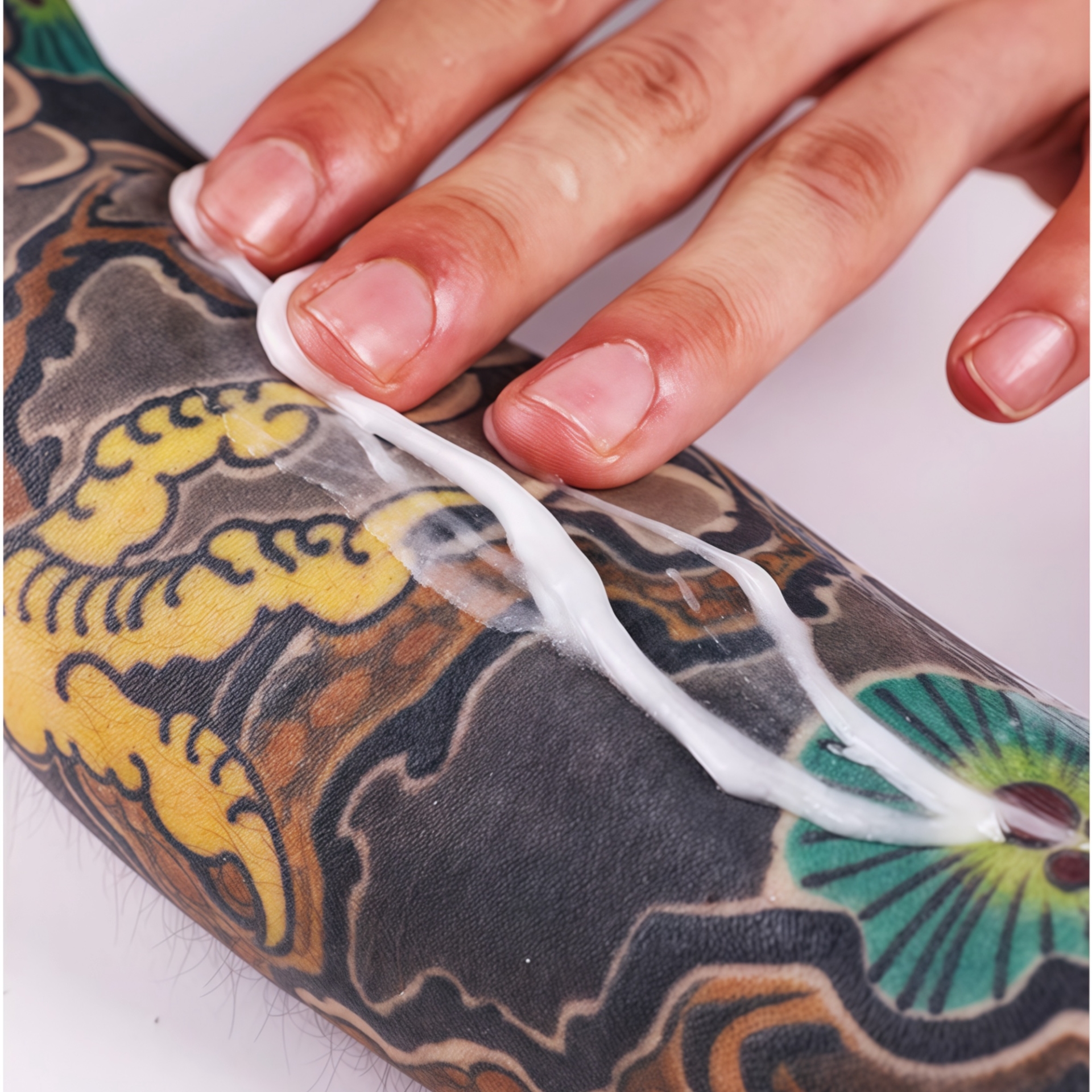
The golden rule for applying ointment is "Less is More." You only need to apply an extremely thin layer, just enough to make the tattooed skin shine. In a hot and humid tropical climate like Vietnam, applying too thickly can clog pores and cause heat rash/pimples. Products containing Vitamin A&D or Bepanthen are often recommended by experts during the initial stage.
Step 3: Protecting the tattoo in daily life
UV rays from sunlight are the number one enemy of tattoo ink because they can break down the ink's structure. You need to cover the tattoo carefully when going outside. Additionally, choosing loose, breathable clothing will help avoid friction and reduce the risk of bacteria from clothes adhering to the wound.
Notes and Restrictions After Tattooing
The stage where the tattoo begins to scab and form new skin is extremely sensitive. At this time, the ink is permanently setting within the dermis. You must strictly follow the protection principles below to ensure the artwork achieves the highest level of perfection.
Limit exposing the tattoo to sunlight
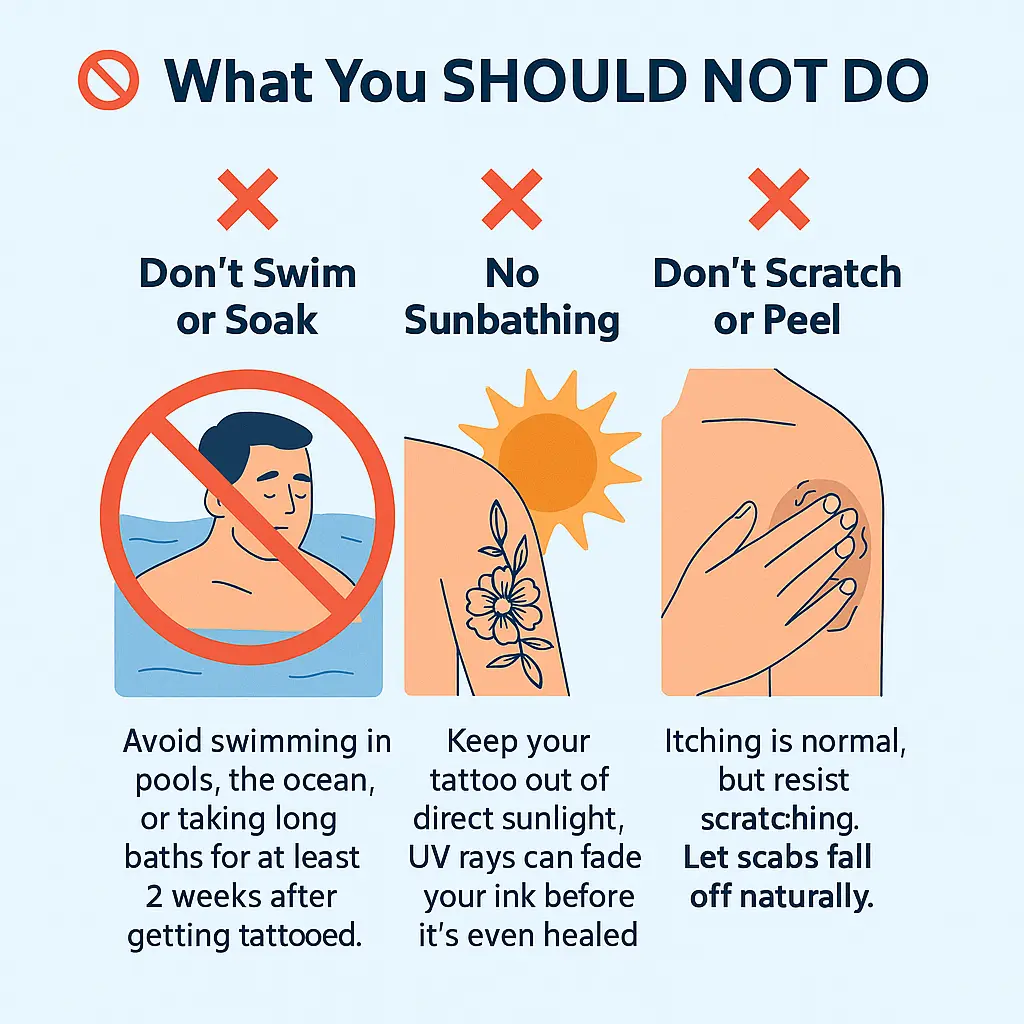
Ultraviolet (UV) rays can break down the chemical structure of the ink, leading to rapid fading or blurring. You need to actively cover the tattooed area with thick clothing when outdoors. H2M recommends using sunscreen with an SPF of 30 or higher only after the tattoo has completely healed to avoid irritating the open wound.
Limit heavy physical activity
High-intensity physical activities often cause muscles to expand and contract continuously, stretching the skin's surface. This can crack the forming scabs and distort the tattoo. Furthermore, active sweat glands during exercise create a damp environment, providing favorable conditions for bacteria to enter and cause infection. You should prioritize gentle exercises or rest during the first few days after tattooing.
Limit swimming or soaking in water
Water in public pools contains high levels of Chlorine, and seawater contains high salt content; both are agents that cause severe stinging and skin irritation. Soaking too long in a bathtub or pool also causes scabs to soften and peel off earlier than the natural biological process, pulling unstable ink particles out with them. You should only take quick showers and pat dry immediately.
Wear comfortable clothing
Tight-fitting clothes create constant friction on the newly tattooed skin, inadvertently peeling off young scabs and causing physical damage to the tattoo. Prioritize wearing loose-fitting (oversize) clothes made of soft, breathable cotton or silk. This helps the tattooed skin "breathe" better and minimizes stuffiness or itching.
Be patient and wait for the tattoo to heal
The complete recovery process of a tattoo usually lasts from 3 to 4 weeks depending on your body type and the tattoo location. During this time, you absolutely must not pick, peel scabs, or scratch when it feels itchy. This hasty action can leave permanent pitted scars or white spots (color loss) on the tattoo. Let the dead skin peel off naturally to ensure the ink color sets evenly and smoothly.
What to Eat and What to Avoid for Faster Healing?
Scientific nutrition plays a core role in shortening recovery time and supporting accurate color retention. H2M advises you to focus on adjusting your daily menu to protect your artwork in the best possible way.
Food groups that support skin regeneration
The body needs healthy energy sources to heal damage in the dermis. You should prioritize supplementing fruits rich in Vitamin C and A such as oranges and grapefruits to strengthen resistance and reduce inflammation. Foods containing Zinc and Protein from lean pork or salmon also help skin tissue bond quickly. Additionally, drinking enough water every day is a key factor in helping the skin maintain necessary moisture and elasticity.
Foods to absolutely avoid
Proper dietary restrictions in the first two weeks largely determine the aesthetic outcome of the tattoo. You need to stay away from water spinach due to the risk of causing permanent keloid scars. Dishes made from glutinous rice have "hot" properties that can easily cause the wound to fester and swell for a long time. Beef should also be eliminated from the menu to avoid darkening the new skin. Additionally, seafood often causes uncomfortable itching, and alcohol thins the blood, making it difficult for the ink to stabilize.
Signs of Infection and When to See a Doctor
You need to clearly distinguish between normal inflammatory reactions and infection. Contact a medical facility or a professional tattoo artist immediately if you experience the following signs: high fever, the tattoo oozing green or yellow pus, or the surrounding skin becoming swollen, spreading redness, and feeling hot for more than 5 days.
Why Travelers Love H2M Tattoo Studio
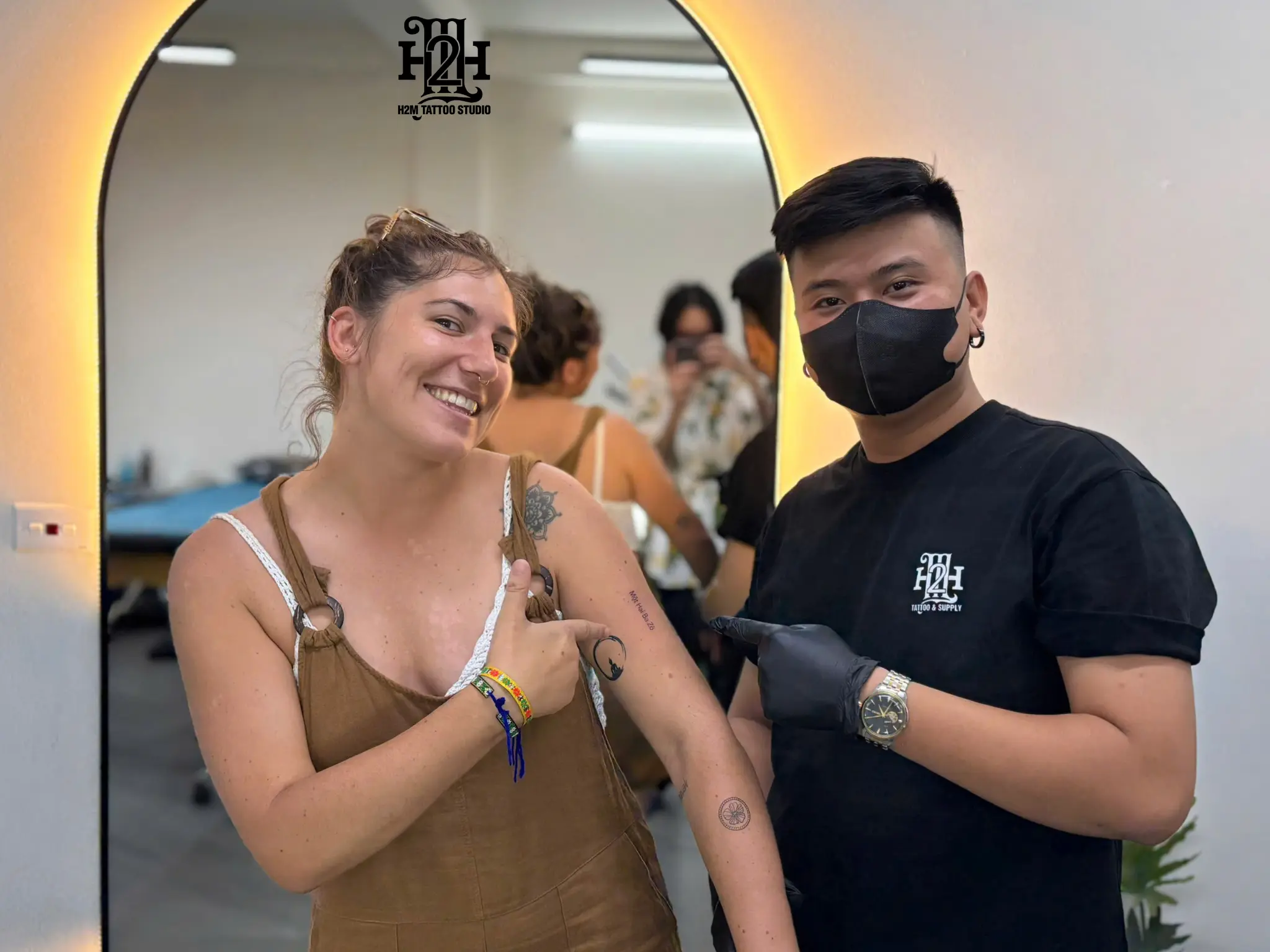
-
Central Old Quarter location – easy access from most hotels
-
Friendly, English-speaking artists
-
Free aftercare kit and healing instructions
-
Clean, professional studio that follows international hygiene standards
Frequently Asked Questions (FAQ)
Should I apply Vaseline to a new tattoo?
Do not use Vaseline immediately on a fresh tattoo. The texture of Vaseline is too thick and greasy; it easily clogs pores and prevents the skin's natural plasma drainage process. You should only use Vaseline to moisturize and add shine once the tattoo has completely healed.
What should I do if the tattoo itches intensely?
This is a sign that new skin is growing. You absolutely must not scratch to avoid tearing the skin. Try gently patting the tattooed area or applying a cold compress indirectly through a clean towel to soothe the itching sensation.
Why does the tattoo look very pale and blurry after peeling?
This phenomenon is called the "Cloudy Phase." A layer of opaque new skin is covering the tattoo. After about 4 to 6 weeks, when this skin layer fully regenerates, your tattoo will return to its original sharpness and bold color.
If I accidentally pick a scab, will I lose color?
Picking a premature scab carries a very high risk of removing unstable ink particles in the epidermis. This often leads to the tattoo losing definition, the appearance of white spots, or pitted scarring. Let the scabs peel off naturally.
At H2M, we don't just create beautiful tattoos; we accompany you in protecting that artistic value over time. If you need further advice on the aftercare process or the latest tattoo designs, do not hesitate to contact our team of experts.
Pro Tip from Our Team
“Your tattoo journey doesn’t end when you leave the studio. For travelers, timing is everything. Plan your tattoo toward the end of your Vietnam trip, and let us help you take care of it with the right protection and products.”
— H2M Tattoo Studio
Book Your Tattoo in Hanoi!
Ready to end your Vietnam trip with something meaningful and permanent?Come to H2M Tattoo Studio – 17 Luong Ngoc Quyen, Hanoi and get a world-class tattoo along with expert aftercare support.
>>> Read more tattoo care guidelines when traveling to Hanoi:
- The "Grab-Bike" Hazard: Protecting Your Ink in Hanoi Traffic
- Street Food & Fresh Tattoo Ink: What to Eat and Avoid in Hanoi
- How to Protect Your New Tattoo from Hanoi's Humidity & Sweat
- Hanoi Pharmacy Guide for Tattoo Emergencies: Essential Supplies & Meds
- Hanoi Dust & Open Wounds: Navigating the Old Quarter Construction
- Tattoo Sun Protection Guide for Travelers in Hanoi
- Tattoo-Friendly Soap: What to look for in a Vietnamese Convenience Store
- Tattoo Ink and Insects: How to Deal with Mosquitoes on Humid Evenings in Hanoi
- Best Outfits for Tattoo Tours in Hanoi: Avoid Tight Clothing
- Tattooing Before a Long Flight: A Traveler's Guide to Leaving Hanoi with New Ink
- AC or Natural Air? Sleeping in Hanoi Homestays with a New Tattoo
- Tattoo First Aid in Hanoi: Is It Normal or Infected?