




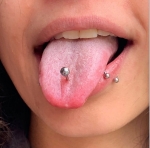
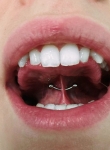
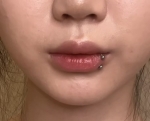
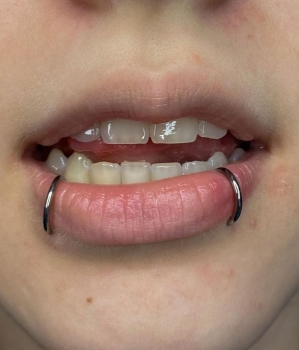
Oral piercing is a body modification technique performed at various sites around the mouth - including the lip, cheek, tongue, frenulum, and uvula - each delivering a distinct aesthetic result. H2M Tattoo Studio - a professional piercing studio - brings over 9 years of industry experience, a team of artists each with more than 5 years of expertise, and a space capable of accommodating up to 10 clients at once. Healing time for oral piercings ranges from 4 to 12 weeks depending on the site, and proper aftercare is the single most important factor in achieving a great result.
According to the American Dental Association (ADA, 1998), oral piercing must be performed by an experienced professional using autoclave-sterilized equipment to prevent infection.
Key Takeaways:
- Choose the right placement first: Each oral piercing site carries different pain levels, healing timelines, and aftercare requirements.
- Jewelry material matters: Only surgical steel, titanium, or 14–18 karat gold should be used to prevent allergic reactions and infection.
- Aftercare determines 70% of the outcome: Rinse with saline solution after every meal and avoid touching the piercing with unwashed hands.
- Choose a licensed, reputable studio: Autoclave sterilization and certified piercing artists are non-negotiable criteria.
Oral Piercing Is Trending - But Do You Really Know What You're Getting Into?
Over the past few years, facial and oral piercings have become one of the most popular forms of personal expression among young Vietnamese and international travelers alike. More than just a piece of jewelry, an oral piercing communicates personality, confidence, and a distinctly individual sense of style.
Yet many people walk into a studio without doing their homework: Which placement suits my face shape? How much will it hurt? What does proper aftercare look like to avoid infection? This article answers all of those questions, drawing on the professional expertise of the piercing artists at H2M Tattoo Studio - a studio with over 9 years of experience in tattooing and piercing in Hanoi.
The Most Popular Oral Piercing Placement Sites Today
The oral region offers a wide range of piercing placement sites to choose from, each producing an entirely different aesthetic effect.
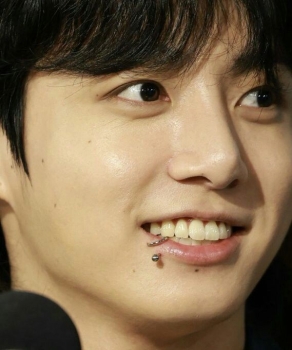
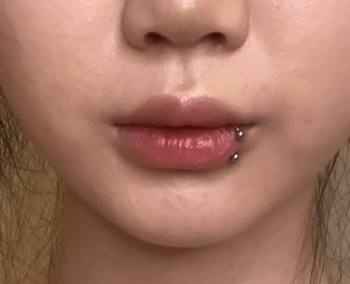
Lip Piercing
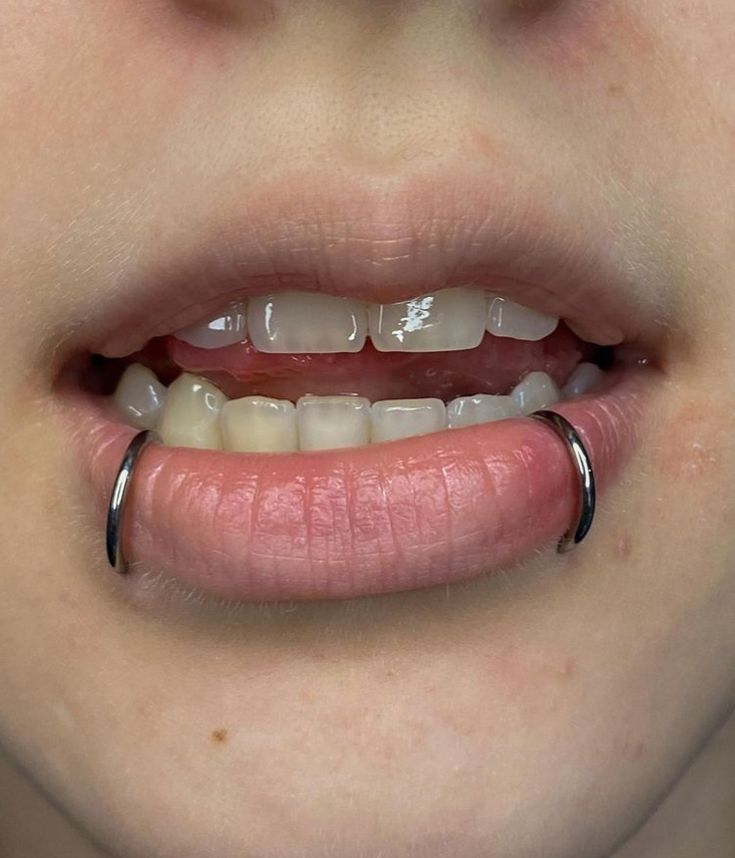
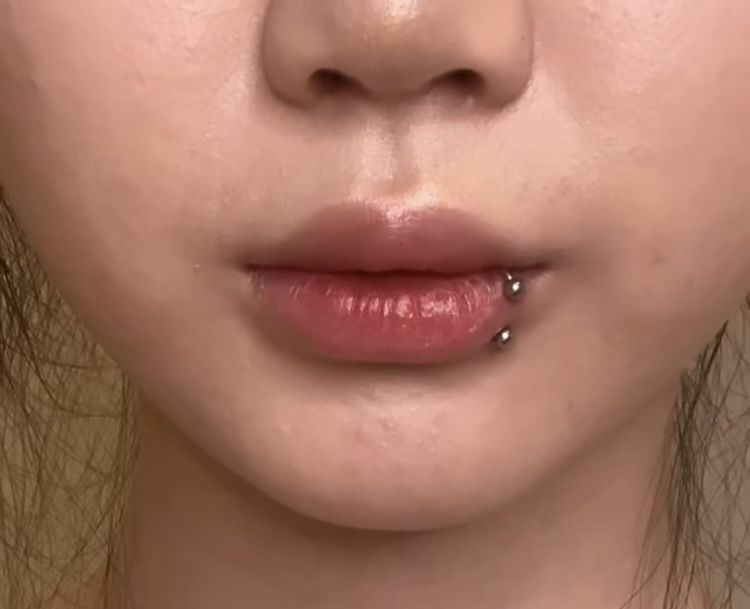
Lip piercing is the most common type of oral piercing. The procedure is performed at the vermillion border - the line where the facial skin meets the colored tissue of the lip. The most popular placement is near the lower corners of the mouth, creating a balanced and eye-catching look. Jewelry options typically include a circular ring or a labret stud, which features a flat disc backing inside the mouth and a decorative end on the outside.
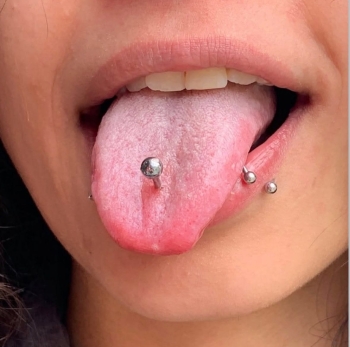
Tongue Piercing
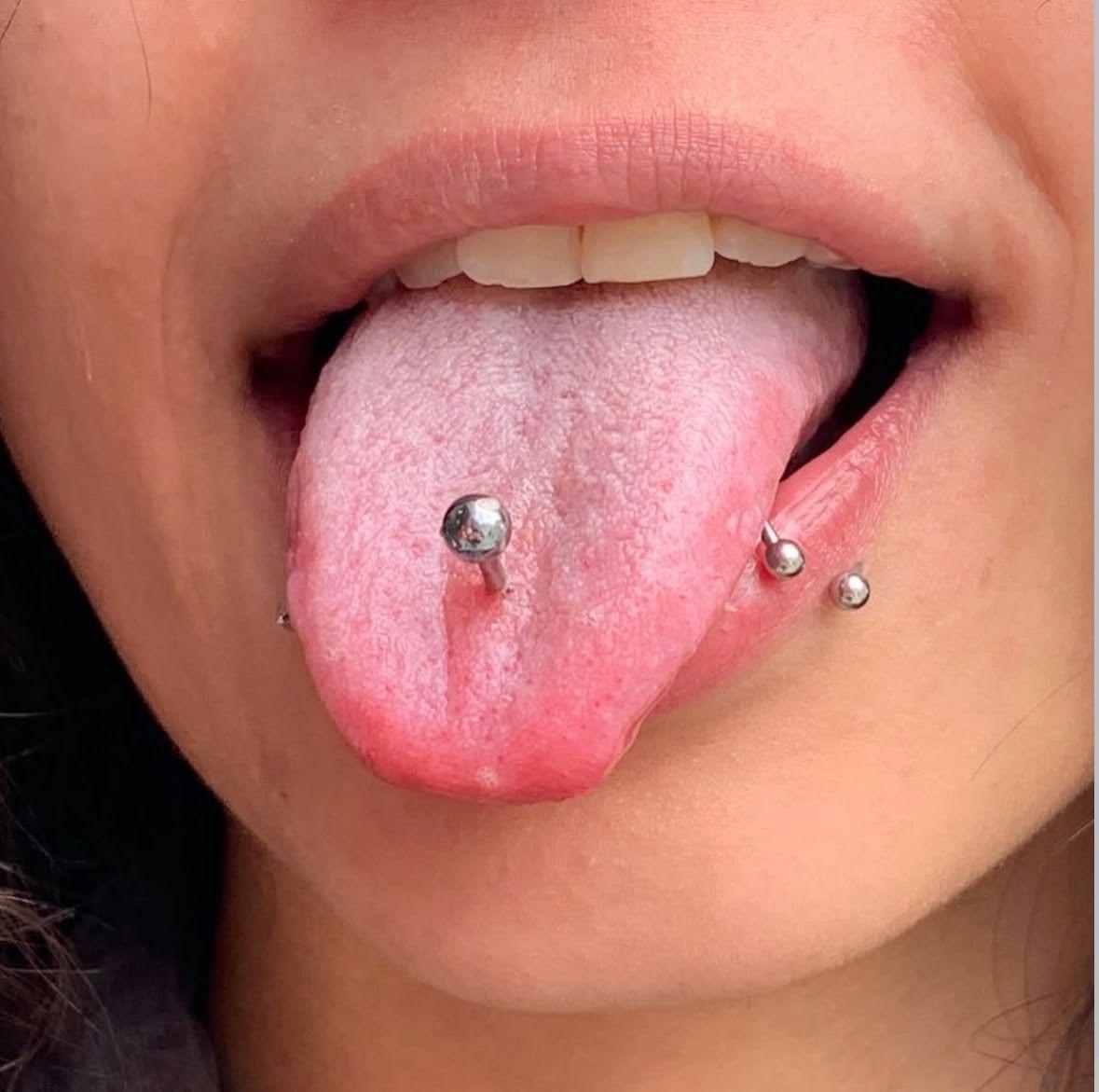
Dorsoventral tongue piercing - performed vertically from the top surface down through the underside of the tongue - is the safer of the two tongue-piercing methods, as it is designed to avoid major blood vessels. A barbell is the standard jewelry choice, with decorative ends resting on both the top and bottom surfaces of the tongue. This placement demands a high level of technical skill and should only be performed by an experienced piercing artist to minimize vascular risk.
Cheek Piercing
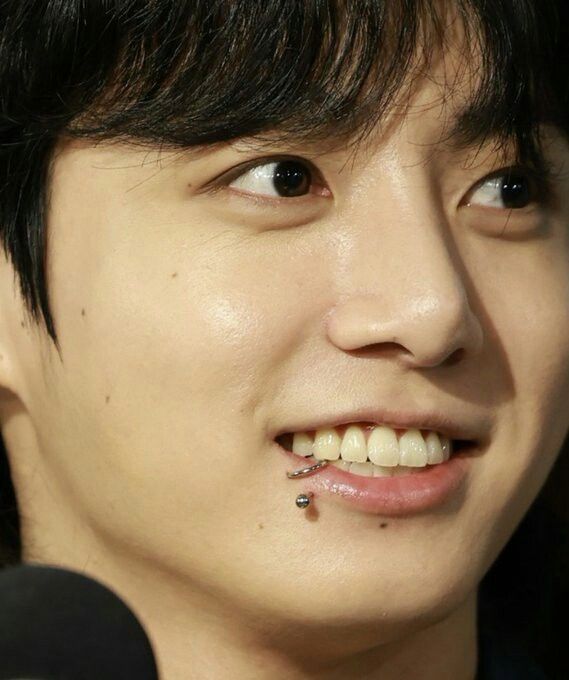
Cheek piercing - also known as a "dimple piercing" - creates the visual illusion of natural dimples when smiling. This placement offers a high aesthetic payoff, but requires an experienced artist to avoid damaging the parotid gland and facial nerves.
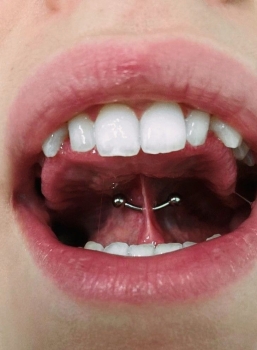
Tongue Web Piercing (Frenulum Piercing)
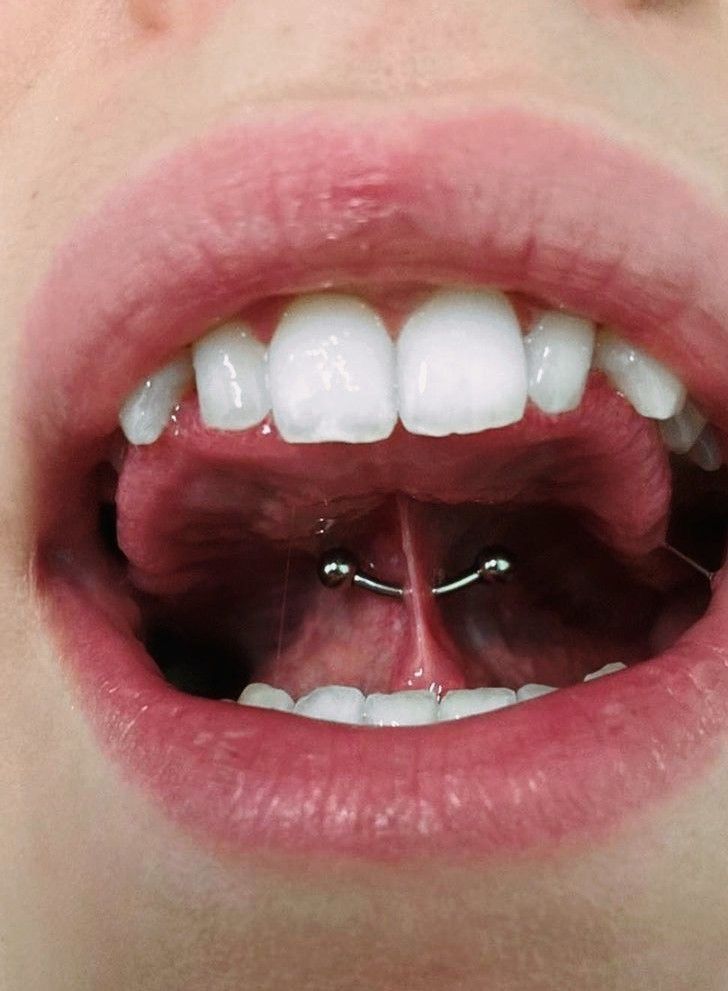
This piercing is placed through the frenulum - the thin fold of mucous membrane connecting the underside of the tongue to the floor of the mouth. Jewelry options include a curved barbell or a small ring. Healing is relatively fast (4–6 weeks) due to the strong blood supply in this area.
Uvula Piercing
The uvula is the rarest oral piercing placement, requiring complex technique and a client with a minimal gag reflex. While highly unique as a statement piece, a thorough health assessment is essential before proceeding with this placement.
Does Oral Piercing Hurt? Pain Levels by Placement Site
The level of pain experienced during an oral piercing depends on the site, individual pain tolerance, and the skill of the piercing artist. The table below summarizes pain levels on a scale of 1–10 (1 = minimal pain, 10 = most intense):
| Placement Site | Pain Level (1–10) | Healing Time | Notes |
| Lower lip | 4–5 | 6–8 weeks | Most popular; relatively low pain |
| Tongue web (frenulum) | 3–4 | 4–6 weeks | Fast healing; minimal discomfort |
| Tongue (dorsoventral) | 5–6 | 6–8 weeks | Significant swelling first 3–5 days |
| Cheek (dimple) | 6–7 | 8–12 weeks | Requires highly experienced artist |
| Uvula | 7–8 | 8–12 weeks | Most technically demanding placement |
The sharp sensation during the actual piercing typically lasts under 10 seconds. Afterward, mild swelling and tenderness in the pierced area for the first 2–5 days is a completely normal physical response.
The Standard Oral Piercing Process at a Professional Studio
A professional oral piercing procedure follows these steps:
Step 1 - Consultation and health screening: The piercing artist discusses the desired placement, assesses the anatomy of the oral area, and asks about any history of metal allergies or bleeding disorders.
Step 2 - Cleaning and marking: The piercing site is thoroughly cleaned with a medical-grade antiseptic. The artist marks the precise location and asks the client to confirm the placement before proceeding.
Step 3 - Equipment sterilization: All tools - needles, clamps, and jewelry - must be sterilized using an autoclave machine to medical-grade standards. The American Dental Association (ADA) identifies autoclave sterilization as a mandatory requirement to prevent the transmission of HIV and hepatitis B and C through piercing instruments.
Step 4 - Performing the piercing: The artist uses a single-use piercing needle to create the opening, then immediately inserts the jewelry to prevent the hole from closing.
Step 5 - Aftercare briefing: The client receives detailed written aftercare instructions and a follow-up appointment schedule if needed.
Proper Aftercare for Oral Piercings
Aftercare is the phase that determines the overall success of any oral piercing. Follow these evidence-based guidelines:
The First 2 Weeks
- Rinse with 0.9% saline solution after every meal and before bed - at least 4 times per day.
- Never touch the piercing with unwashed hands, as hands are the primary source of bacteria that cause infection.
- Avoid spicy, hot, hard, and alcoholic foods and drinks for the first two weeks to prevent irritation of the healing tissue.
- Do not remove the jewelry, even while eating or sleeping, during the initial healing phase.
From Week 3 Onward
- Jewelry may be removed while eating to prevent it from rubbing against the teeth and causing chips or cracks.
- Clean the jewelry each evening by soaking it in saline solution for 5–10 minutes.
- Switch to an alcohol-free antimicrobial mouthwash as a substitute for saline rinses after the initial healing phase.
Warning Signs That Require Immediate Medical Attention
According to the American Dental Association (ADA), anyone with an oral piercing should seek medical care immediately if they notice spreading redness or swelling, discharge of pus, a fever above 38°C (100.4°F), or tongue swelling severe enough to interfere with breathing - as in rare cases, a serious infection can compromise the airway.
Risks of Oral Piercing and How to Prevent Them
Getting an oral piercing at a substandard studio or failing to follow aftercare instructions can lead to serious complications:
- Infection: The oral cavity harbors millions of bacteria, making infection the most common risk. Prevention starts with choosing a studio that uses autoclave-sterilized equipment and strictly following the post-piercing hygiene routine.
- Gum recession: Jewelry that continuously rubs against the gum line can cause the gum tissue to recede, exposing the roots of nearby teeth. Use correctly sized jewelry and remove it while eating once the piercing has healed.
- Chipped or cracked teeth: Metal barbells can strike tooth enamel during chewing or sleep, causing chips or fractures. Switching to BioFlex or PTFE jewelry at night once the piercing is healed reduces this risk significantly.
- Metal allergy: Always choose jewelry made from 316L surgical steel, G23 titanium, or 14–18 karat gold. Avoid any jewelry containing nickel - the most common metal allergen - particularly for those with sensitive skin.
Which Oral Piercing Is Best for Beginners?
Many people searching for the best piercing for beginners receive a consistent recommendation from the piercing artists at H2M Tattoo Studio: the lower lip piercing or tongue web (frenulum) piercing.
These two placements are considered ideal for first-timers because:
- Pain levels are low (3–5 out of 10)
- Healing time is shorter (4–8 weeks)
- The technique is relatively straightforward, with a lower rate of complications
- The jewelry is easy to conceal or remove when needed in professional environments
Beginners are advised to avoid the uvula or cheek as a first piercing, as these placements demand a higher level of technical expertise and a longer healing commitment.
Beyond oral piercings, many H2M Tattoo Studio clients also pair their experience with a nose piercing or a navel (belly button) piercing to build a complete piercing collection - a reflection of the "stacking piercings" trend gaining momentum in the global body art community.
H2M Tattoo Studio - Trusted Oral Piercing Destination in Hanoi
If you're looking for a reputable piercing studio that delivers high-quality piercing services, H2M Tattoo Studio at 17 Luong Ngoc Quyen, Hang Buom, Hoan Kiem is a name you can trust - for good reason:
- 9 years of industry experience in tattooing and piercing in Vietnam, active in the professional tattoo equipment sector since 2016.
- A piercing artist team with 5+ years of individual experience - formally trained and responsible for thousands of successful piercings.
- A valid business license issued by the Department of Finance and Planning - People's Committee of Hoan Kiem District, Hanoi.
- Medical-grade autoclave sterilization, single-use piercing needles, and premium jewelry in surgical steel and titanium.
- A 100m² studio space capable of serving groups of 5–10 clients simultaneously - ideal for friend groups who want to share the experience.
- A multilingual consulting team fluent in English, Chinese, and Japanese - ideal for international tourists exploring Hanoi's Old Quarter.
- 5 locations across Vietnam, Taiwan, and Cambodia - a testament to international credibility and operational scale.
Conclusion
Oral piercing is a genuinely beautiful and expressive form of body art - but only when performed with the right technique, at a reputable studio, and followed by proper aftercare. Selecting a placement that suits your face and lifestyle, understanding the process and its risks, and committing to a thorough aftercare routine are the three pillars that determine the final result.
Ready to get your oral piercing in Hanoi? Visit H2M Tattoo Studio at 17 Luong Ngoc Quyen, Hang Buom, Hoan Kiem for a free consultation with our professional piercing artists. Whether you're traveling from Vietnam, Japan, China, or anywhere else in the world, H2M's multilingual team is ready to ensure you have a safe, memorable piercing experience.
FAQ - Frequently Asked Questions About Oral Piercing
1. How long does an oral piercing take to heal?
Healing time varies by placement, ranging from 4 to 12 weeks. Tongue web piercings heal the fastest (4–6 weeks), while cheek piercings can take up to 12 weeks to heal fully.
2. Can oral piercings damage my teeth?
Yes, if the wrong jewelry size is used or if jewelry is not removed while eating. Metal jewelry that repeatedly contacts tooth enamel over time can cause chips or fractures. Switching to BioFlex or PTFE jewelry at night helps reduce this risk after the initial healing period.
3. What material should my oral piercing jewelry be made from?
Opt for 316L surgical steel, G23 titanium, or 14–18 karat gold. Avoid any jewelry containing nickel entirely - it is the most common cause of metal allergies, especially for those with sensitive skin.
4. Are there dietary restrictions after getting an oral piercing?
For the first two weeks, avoid spicy, hot, and hard foods (such as ice or crusty bread) as well as alcoholic beverages. Prioritize soft, cool foods like porridge, yogurt, and smoothies to avoid irritating the healing tissue.
5. Can I remove an oral piercing, and will it close on its own?
Once the piercing has fully healed, removing the jewelry will cause the hole to gradually shrink and may close entirely - especially with smaller oral piercing placements. The timeline varies by individual and the site may leave a small scar or indentation.
6. Do I need to book an appointment for an oral piercing?
At H2M Tattoo Studio, you can either book in advance through the website or walk in to 17 Luong Ngoc Quyen, Hang Buom, Hoan Kiem, Hanoi during business hours. Booking ahead ensures a personalized consultation and eliminates waiting time.
7. Is oral piercing suitable for people under 18?
Clients under 18 years of age are required to provide written parental or legal guardian consent before receiving any piercing service at H2M Tattoo Studio, in accordance with current Vietnamese law.