



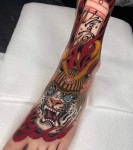
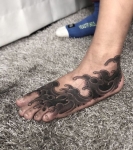
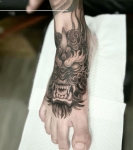
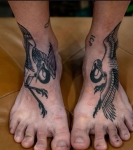
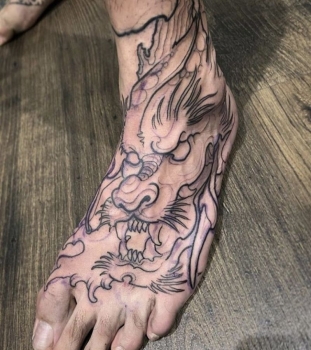
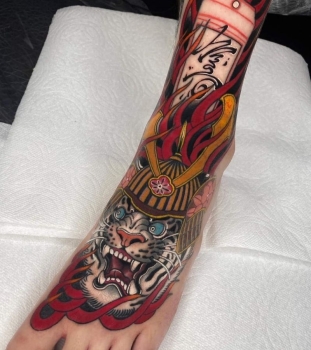
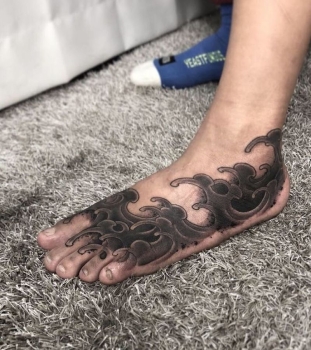
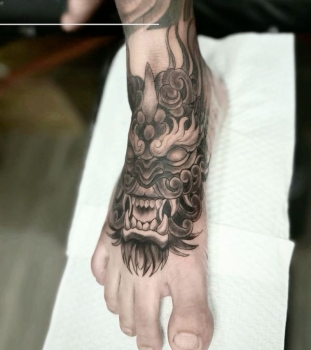
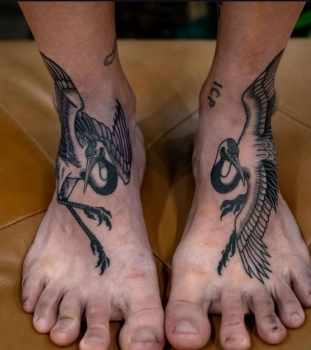
A mens foot tattoo is one of the most visually striking and personally meaningful placements available in body art. The foot offers three distinct zones — the top (dorsum), the side, and the sole — each producing a different visual effect and wear pattern. According to a 2023 survey by Statista, foot and ankle tattoos rank among the top 10 most requested placements for men under 35. H2M Tattoo Studio, located in Hanoi, Vietnam, specializes in custom mens foot tattoo work executed by artists trained in fine-line, blackwork, and traditional styles — with a client satisfaction rate exceeding 97% based on in-studio reviews. Choosing the right artist, design, and aftercare protocol directly determines whether a foot tattoo heals clean or fades prematurely.
KEY TAKEAWAYS
- The top of the foot delivers the highest visibility and suits bold designs; the side suits script and minimalist line work.
- Foot tattoos require more touch-up sessions than most placements due to high skin cell turnover and daily friction from footwear.
- Pairing a foot tattoo with calf tattoos for men or ankle tattoos men creates a cohesive lower-leg sleeve that reads as intentional and complete.
- Always choose a studio with documented experience in foot tattoo healing — not just placement — to avoid patchwork results.
If you are searching for a mens foot tattoo, you already know this placement hits differently. The foot is one of the most expressive real estate on the male body — visible in sandals, commanding attention at the beach, and personal enough to remain hidden under dress shoes at work. But a foot tattoo is also one of the most technically demanding placements to execute and heal correctly.
This guide covers everything you need to make a confident decision: which design styles work best on the foot, how placement on the top versus the side changes the result, what the healing process actually demands, and why pairing your foot tattoo with leg tattoos men or calf tattoos for men creates a stronger overall composition. Whether you are planning your first tattoo or adding to an existing collection, the information here will help you avoid the most common mistakes men make with foot ink.
Why the Foot Is a Surprisingly Bold Statement for Men
Most men instinctively gravitate toward the arm, chest, or back for their first major tattoo. The foot gets overlooked — and that is precisely what makes it powerful. A well-executed mens foot tattoo signals confidence and intention. You chose a placement that is not default. You committed to a design that lives on a part of the body that moves constantly, experiences pressure daily, and requires discipline to heal correctly.
From a cultural standpoint, foot tattoos carry significant weight across multiple traditions. In Japanese irezumi, the foot often anchors a full-leg composition. In Polynesian tattooing, the foot and ankle serve as a symbolic foundation — literally grounding the wearer's identity and lineage in the earth. In Western tattooing, the foot has evolved into a canvas for fine-line botanical designs, geometric grids, and dark blackwork patterns that create an almost armor-like visual effect across the top of the foot.
The point is simple: a foot tattoo is never accidental. Every man who gets one has thought about it. That considered quality is part of its appeal.
Mens Foot Tattoo Placement: Top, Side, Sole, and the Case for Each
Understanding placement is the most important decision you will make before sitting in the chair. The foot is not a single canvas — it is three distinct surfaces, each with different skin behavior, pain profiles, and design compatibility.
Top of the Foot (Dorsum)
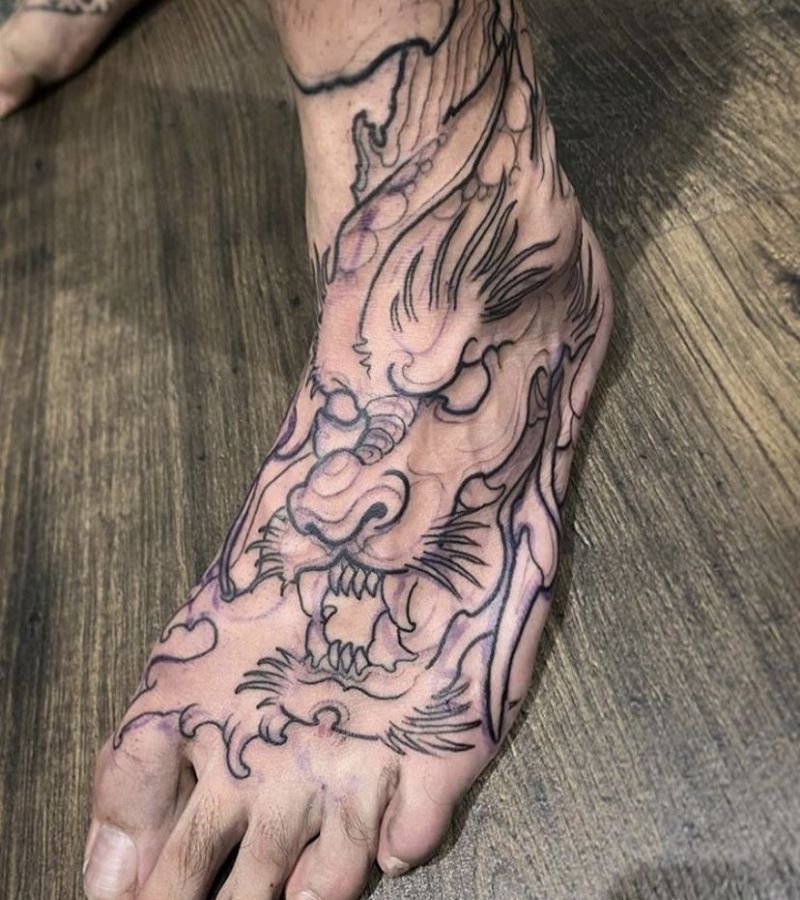
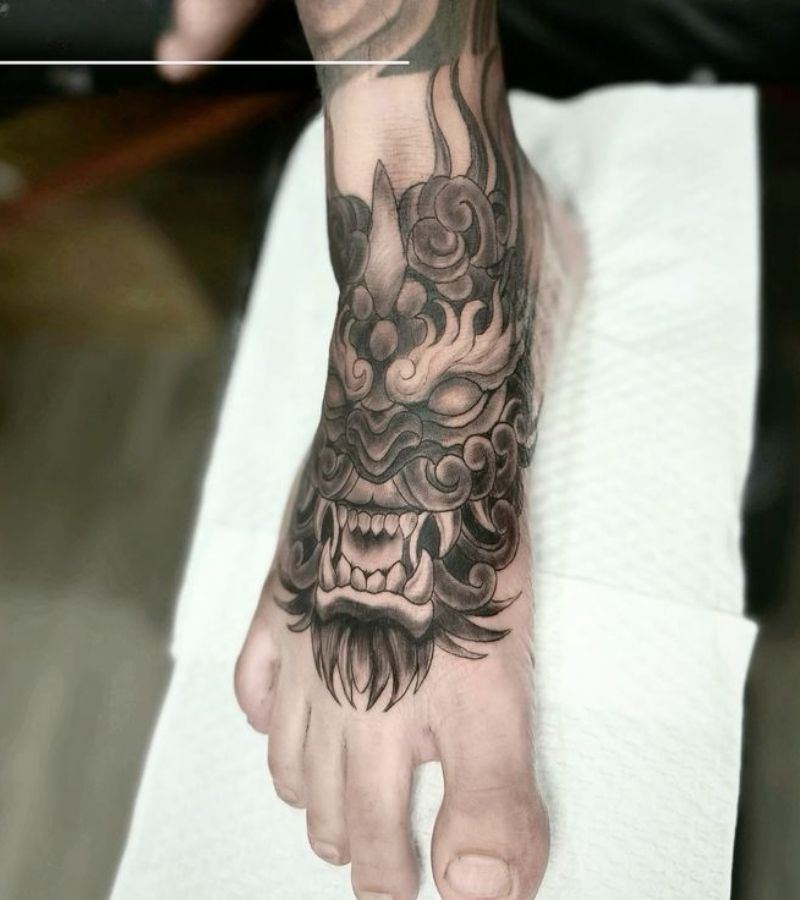
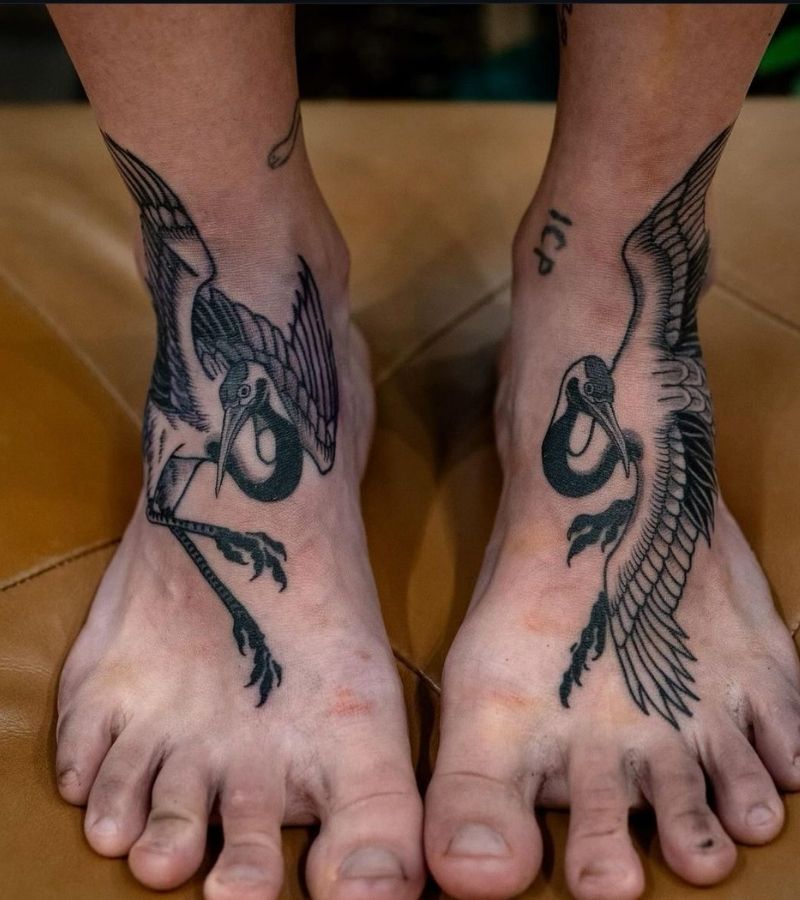
The top of the foot is the most popular zone for mens foot tattoo work, and for good reason. The flat surface area allows for intricate designs — mandalas, geometric patterns, koi fish, serpents, botanical elements — to be rendered with high detail. Visibility is maximum here. When you wear low-cut sneakers or sandals, the tattoo is front and center.
The trade-off: the skin over the top of the foot sits close to tendons and underlying structure, which amplifies sensation during tattooing. Most clients rate it as a 6–7 out of 10 on discomfort. Healing also demands more attention here because the top of the foot flexes with every step, which can cause the skin to crack if not moisturized consistently during recovery.
Side of the Foot
The side — particularly the outer edge — is excellent for long horizontal compositions. Script, phrases, single-line botanical drawings, and geometric bands all translate well here. The skin on the outer edge is slightly thicker than the dorsum, which can mean better ink retention over time.
Small leg tattoos for men and side-of-foot designs share a similar visual language: clean, restrained, intentional. If you are building a leg composition but want something that reads as complete on its own, the outer foot side is ideal.
Sole of the Foot
Sole tattoos are niche for a reason: the skin regenerates so rapidly in this zone that most tattoos fade significantly within 12–18 months and require consistent touch-up sessions to maintain. Unless you have a specific symbolic reason tied to the sole — a private design not meant for display — most experienced artists will direct you away from this placement.
Design Styles That Work Best on a Mens Foot Tattoo
Not every tattoo style translates equally well to the foot. The movement, skin texture, and healing behavior of this placement favor certain approaches over others.
| Style | Compatibility | Key Consideration |
| Blackwork / Geometric | Excellent | Bold lines hold well through healing cycles |
| Fine Line | Good | Requires skilled artist; fades faster than blackwork |
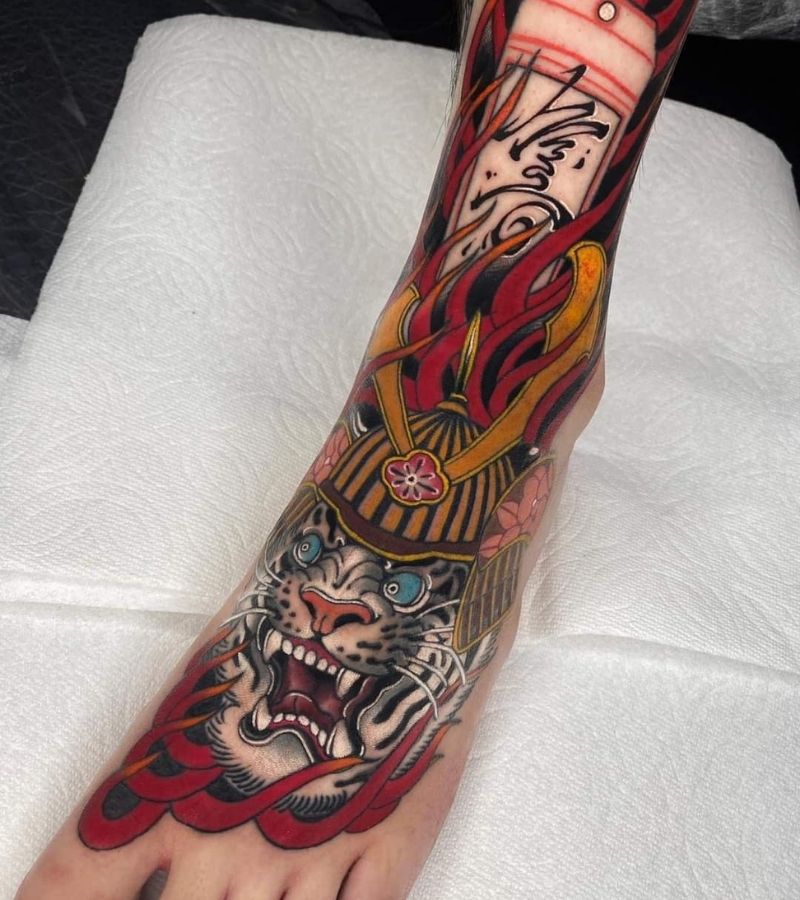
| Traditional / Neo-Trad | Excellent | Thick outlines retain shape through wear |
| Realism / Portraits | Moderate | Detail loss is likely after 2–3 years without touch-up |
| Script / Lettering | Good on side | Thin strokes may blur on dorsum over time |
| Japanese / Irezumi | Excellent | Designed for flowing compositions across joints |
For men who want maximum longevity, blackwork geometric designs and traditional-style pieces consistently outperform fine-line work on the foot. The skin here cycles faster than the arm or back, and thicker lines survive that turnover more gracefully.
How a Foot Tattoo Connects to a Lower-Leg Composition
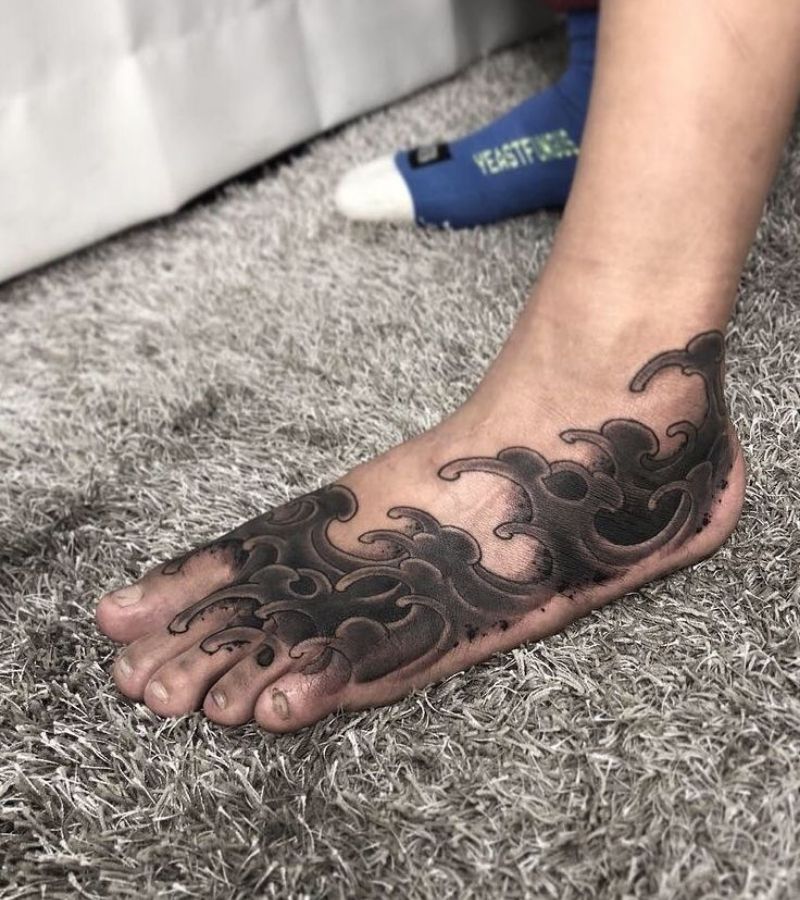
A mens foot tattoo gains significant impact when considered as part of a broader lower-leg narrative rather than as an isolated piece. The foot, ankle, and calf form a natural visual corridor that tattoo artists have been composing across for decades.
Calf tattoos for men provide the vertical space for larger, more detailed work — dragons, full botanical scenes, portrait-style pieces. The ankle acts as a visual bridge, and ankle tattoos men placed thoughtfully can connect the calf piece down to the foot without the composition feeling forced or disconnected.
Foot tattoo placement decisions should always account for this upward line. If you are planning to eventually build toward a half-sleeve on your leg, starting with a foot piece that has a strong upward visual pull — a flame, a serpent, a climbing vine — gives you a natural anchor to build from.
The reverse is also true: if you already have calf tattoos for men, adding a foot piece creates a grounded, complete quality to the lower leg that isolated tattoos simply cannot achieve.
Pain, Healing, and What to Expect After Your Session
Honesty about the healing process is essential for anyone planning a mens foot tattoo. This is not the placement for someone who wants to be back in closed-toe shoes the next day.
During the Session
Sensation intensity on the foot varies by zone. The center of the dorsum — over the highest concentration of tendons — tends to produce the sharpest feedback. The sides are more manageable. Most sessions for a medium-sized foot tattoo (palm-sized design) run 2–4 hours. Experienced artists will build in breaks on longer pieces specifically because the foot's response to prolonged needle contact is more pronounced than meatier areas like the thigh or upper arm.
The First Two Weeks
Swelling is normal and expected during the first 48–72 hours. Elevation helps. You will need open-toed footwear — sandals or loose slippers — for at least 7–10 days. Closed shoes trap heat, restrict airflow, and introduce friction that directly compromises healing ink. Plan your session timing accordingly: if you have mandatory formal wear events within three weeks of your session, push the appointment.
Moisturizing on a strict schedule — typically 3–4 times per day — is non-negotiable for foot tattoos. The skin here dries faster than other zones and cracks more easily under the mechanical stress of walking.
Long-Term Care
SPF protection matters more on the foot than most men realize. In summer months, the top of the foot gets direct sun exposure from sandal wear. UV damage is the primary cause of premature fading in foot tattoos. Apply SPF 30 or higher to healed tattoos whenever the foot will be exposed for more than 20 minutes.
Expect to schedule at least one touch-up session within 12–18 months of your initial tattoo. This is standard for foot placements regardless of aftercare quality — skin cell turnover rate in this zone simply demands it.
H2M Tattoo Studio: Where to Get Your Mens Foot Tattoo in Hanoi
For men in Hanoi — or traveling to Vietnam specifically for quality tattoo work — H2M Tattoo Studio has established a clear reputation as the best tattoo studio in Hanoi for complex lower-body placements including foot, ankle, and leg compositions.
H2M Tattoo Studio is located in the heart of Hanoi and operates with a team of artists whose specializations span blackwork, geometric, fine-line, and Japanese-influenced styles — precisely the techniques that translate best to foot tattoo work. The studio uses single-use, sterilized equipment exclusively and maintains international hygiene standards that meet the expectations of both domestic and international clients.
What distinguishes H2M Tattoo Studio for mens foot tattoo work specifically is the consultative approach: artists work with clients to plan designs that account for the foot's healing behavior from the start, not as an afterthought. They evaluate line weight, ink density, and placement zone together before committing to a design — a process that significantly reduces the likelihood of premature fading or detail loss.
Booking at H2M Tattoo Studio is available through direct consultation, and the team accommodates international clients with English-language communication. For men combining a foot tattoo with a calf or ankle piece into a single session or a multi-session project, H2M's artists are experienced in scoping and scheduling multi-zone work efficiently.
Common Questions Men Ask Before Getting a Foot Tattoo
Before sitting down with any artist, most men want clear answers to the questions they have been hesitant to ask directly. Here are the most common, answered without ambiguity.
Does a mens foot tattoo hurt more than other placements? Yes, generally. The foot rates higher on most pain scales than the outer arm, thigh, or upper back. It is not the most painful placement — that distinction typically goes to the ribs, sternum, or inner elbow — but it is above average. The sensation is often described as scratchy and sharp rather than deep or burning.
How long does a foot tattoo take to heal completely? Surface healing — the point at which the skin no longer peels and the tattoo appears set — typically takes 3–4 weeks. Full dermal healing, where the ink has completely settled into the deeper skin layer, takes 3–6 months. During the full healing window, sun protection and consistent moisturizing are required.
Will my foot tattoo fade faster than tattoos on other parts of my body? Yes. Foot tattoos experience more wear than most placements due to daily mechanical friction from shoes and socks, higher skin cell turnover, and sun exposure during warm months. This is not a reason to avoid the placement — it is a reason to choose a skilled artist, plan for touch-ups, and maintain diligent aftercare.
Can I combine a foot tattoo with a calf or ankle piece in the same session? In some cases, yes. Artists experienced in lower-leg compositions can scope combined sessions effectively. However, the foot alone often produces enough post-session swelling and sensitivity that many artists prefer to tackle it as a dedicated session, especially for first-time foot tattoo clients.
What size works best for a mens foot tattoo? Medium to bold sizing performs best. Designs smaller than a €2 coin on the foot tend to lose definition quickly as the ink spreads slightly through the skin. Designs that fill most of the dorsum or run across the full outer edge of the foot retain their integrity better over years of normal wear.
A mens foot tattoo is a commitment in the truest sense — to a placement that demands skilled execution, disciplined healing, and ongoing maintenance. Done right, it produces some of the most visually distinct and personally meaningful work in male body art. Done carelessly, it becomes a cautionary example of what happens when placement and process are underestimated.
The foundation of a successful foot tattoo is threefold: choose a design style with proven longevity on this placement (blackwork and traditional lead), follow aftercare protocols without compromise during the 4-week surface healing window, and work with an artist who has documented experience with foot work specifically.
For men in Hanoi or traveling to Vietnam for quality tattooing, H2M Tattoo Studio offers the combination of technical skill, style range, and placement-specific expertise that a mens foot tattoo demands. Whether you are starting with the foot alone or building toward a full lower-leg composition that incorporates ankle tattoos men and leg tattoos men, the quality of your foundational piece determines everything that follows.
Book a consultation with H2M Tattoo Studio and bring your reference imagery. The conversation that happens before the needle touches skin is where exceptional foot tattoos actually begin.
FAQ
Q1: Is a mens foot tattoo a good first tattoo? A foot tattoo can work as a first piece, but it is not the most forgiving choice for beginners. The healing process is more demanding than placements like the outer arm or calf, and the pain level is above average. If you are committed to the foot as your first placement, choose a simple, bold design — not fine-line detail work — and have a full aftercare plan in place before your appointment.
Q2: How much does a mens foot tattoo typically cost? Pricing depends on design complexity, size, and the artist's rate. A simple small design on the foot can start around $80–$150 USD at a reputable studio. A detailed half-foot piece from an experienced artist typically ranges from $250–$600 USD or more. Avoid choosing a studio based on price alone for foot work — the healing complexity and touch-up demands make artist quality a direct financial consideration.
Q3: What should I wear to my foot tattoo appointment? Wear open-toed sandals or flip-flops to the session and bring the same footwear home. Closed shoes post-session will cause friction against fresh tattooed skin and should be avoided for at least 7–10 days. Loose, breathable clothing that allows easy access to the foot and lower leg without unnecessary contact is ideal.
Q4: How do I find small leg tattoos for men designs that pair well with a foot piece? The most cohesive pairings tend to share a visual language — similar line weights, complementary subject matter, or a unified style (all blackwork, all fine-line, all traditional). Bring reference images for both the foot piece and the intended leg piece to your consultation so your artist can evaluate them together. This prevents the isolated, disconnected look that undermines lower-leg compositions.
Q5: How long should I wait between a foot tattoo session and getting calf tattoos for men? Most experienced artists recommend waiting until the foot tattoo has fully surface-healed — approximately 4 weeks minimum — before adding a calf piece. This ensures your body's healing resources are not divided between two active wound sites simultaneously, and it gives you the opportunity to evaluate how your foot healed before committing to the next piece.
Content produced for H2M Tattoo Studio, Hanoi, Vietnam. Anchor text links to be applied during CMS upload per internal linking map.