



Finding the perfect spot for a new tattoo is a journey of its own, especially when you're exploring the versatile world of foot tattoos. A foot tattoo is a form of body art placed anywhere from your ankle to your toes, offering a unique canvas that moves with every step you take. This placement is ideal for those seeking a discreet yet deeply personal design, as it can be easily hidden by shoes or proudly displayed in sandals. In this guide, we’ll walk you through everything you need to know - from pain levels and costs to the best foot tattoo placement for longevity - to ensure your ink remains a beautiful memory of your travels.
Why Choose Foot Tattoo Placement?
Choosing the foot for your next piece is a decision that beautifully blends personal symbolism with practical style. Why do so many travelers choose this spot? It’s perfect for those who want body art that feels private and special, acting as a "hidden gem" that isn't always on display to the world.
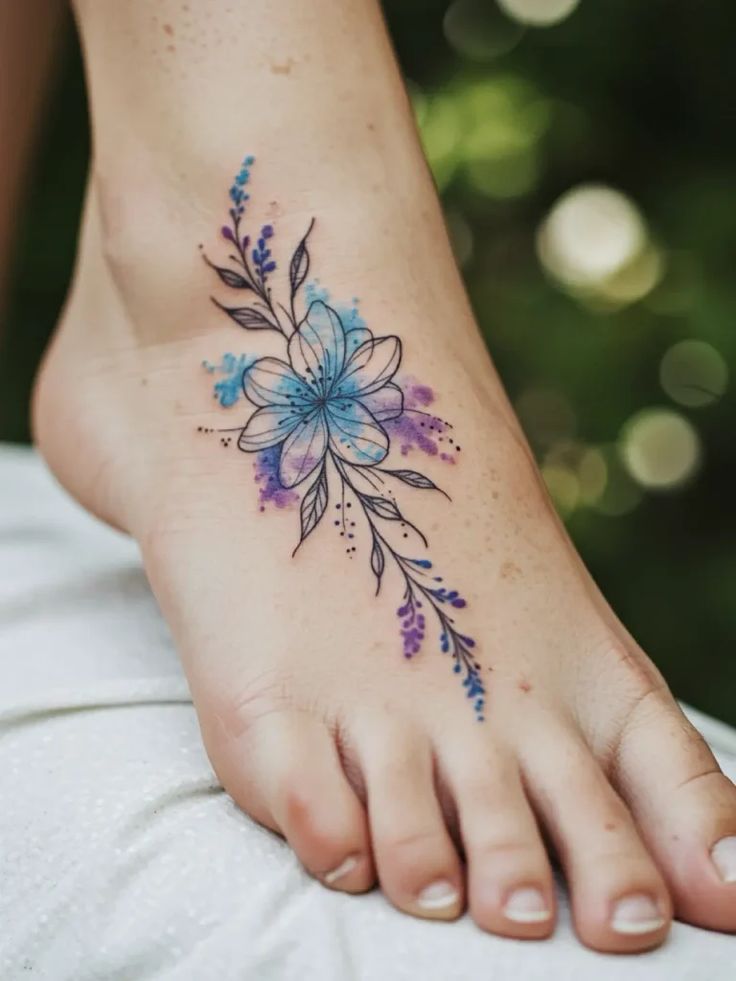
The foot offers a surprisingly versatile foundation. You have the flat, smooth surface on the top for larger pieces, and intricate, delicate areas around the ankle for subtle accents. It is a popular choice for people who appreciate art that is just for them, revealed only when they choose to kick off their shoes. Whether it's a small souvenir from your time in Hanoi or a bold artistic statement, the foot provides a unique base for creative expression.
Where Is The Best Placement for Foot Tattoos?
When considering your options, you'll find there are six primary locations for a foot tattoo, each offering a different "vibe" and canvas. The ankle is often considered the gold standard for ankle tattoo placement. It offers a great balance of visibility and discretion, and tattoos here tend to hold their vibrancy well because the area experiences less direct friction compared to the sole.
The main differences between these spots relate to pain level, visibility, and how quickly the tattoo might fade due to friction and sun exposure. Let’s break down your options:
Top Of The Foot
This area sits on the upper surface between your ankle and toes. It provides a relatively flat and broad canvas, making it a favorite for intricate designs like mandalas, floral patterns, or traditional Vietnamese motifs. While it’s the perfect stage to showcase your art in open-toed shoes, be prepared - due to the thin skin and proximity to bone, this is considered one of the more sensitive spots to get inked.
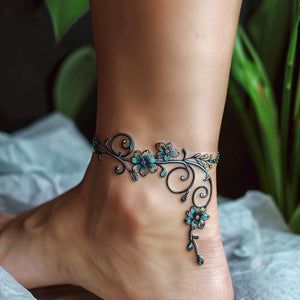
Ankle
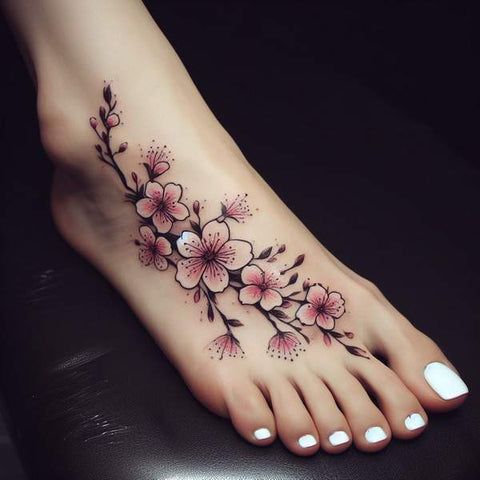
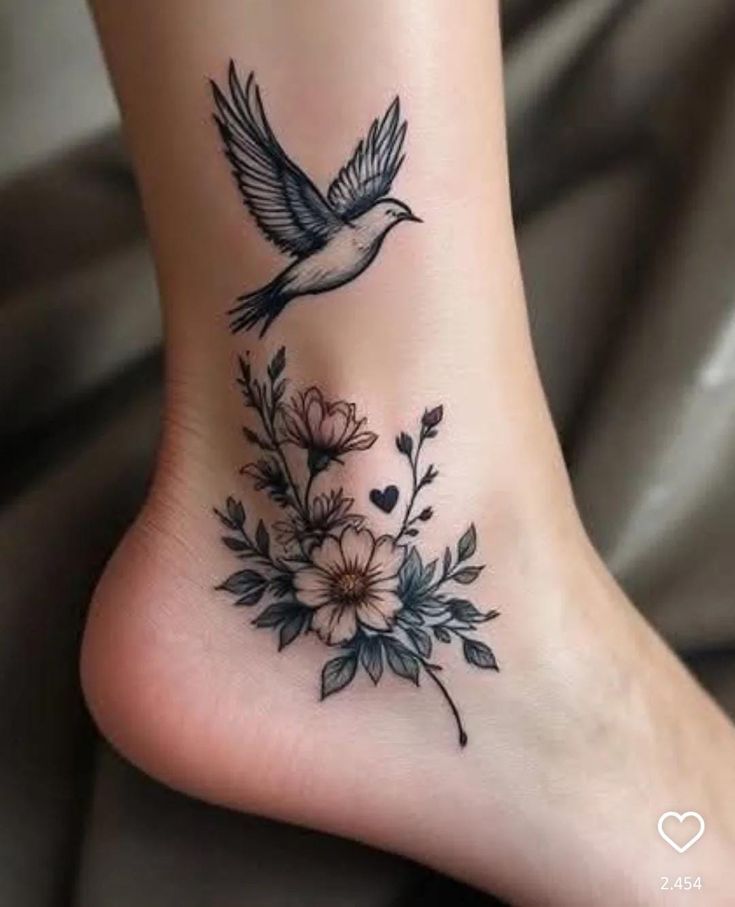
A timeless and versatile choice, an ankle tattoo is done around the bony prominence of the joint. This area is perfect for delicate designs such as bracelets, fine-line flowers, or meaningful symbols. They are easy to conceal but can be highlighted beautifully with the right footwear. It’s also a great starting point if you eventually want to expand into a larger leg tattoo placement.
Side Of The Foot
Whether on the inner or outer edge, the side of the foot offers a long, narrow canvas. This is the "sweet spot" for script, quotes, or linear designs. It is more discreet than the top of the foot, which is excellent for professional reasons. However, keep in mind that the skin here is thin and faces frequent friction from shoes, which can make the healing process a bit more demanding.
Heel and Back of the Ankle
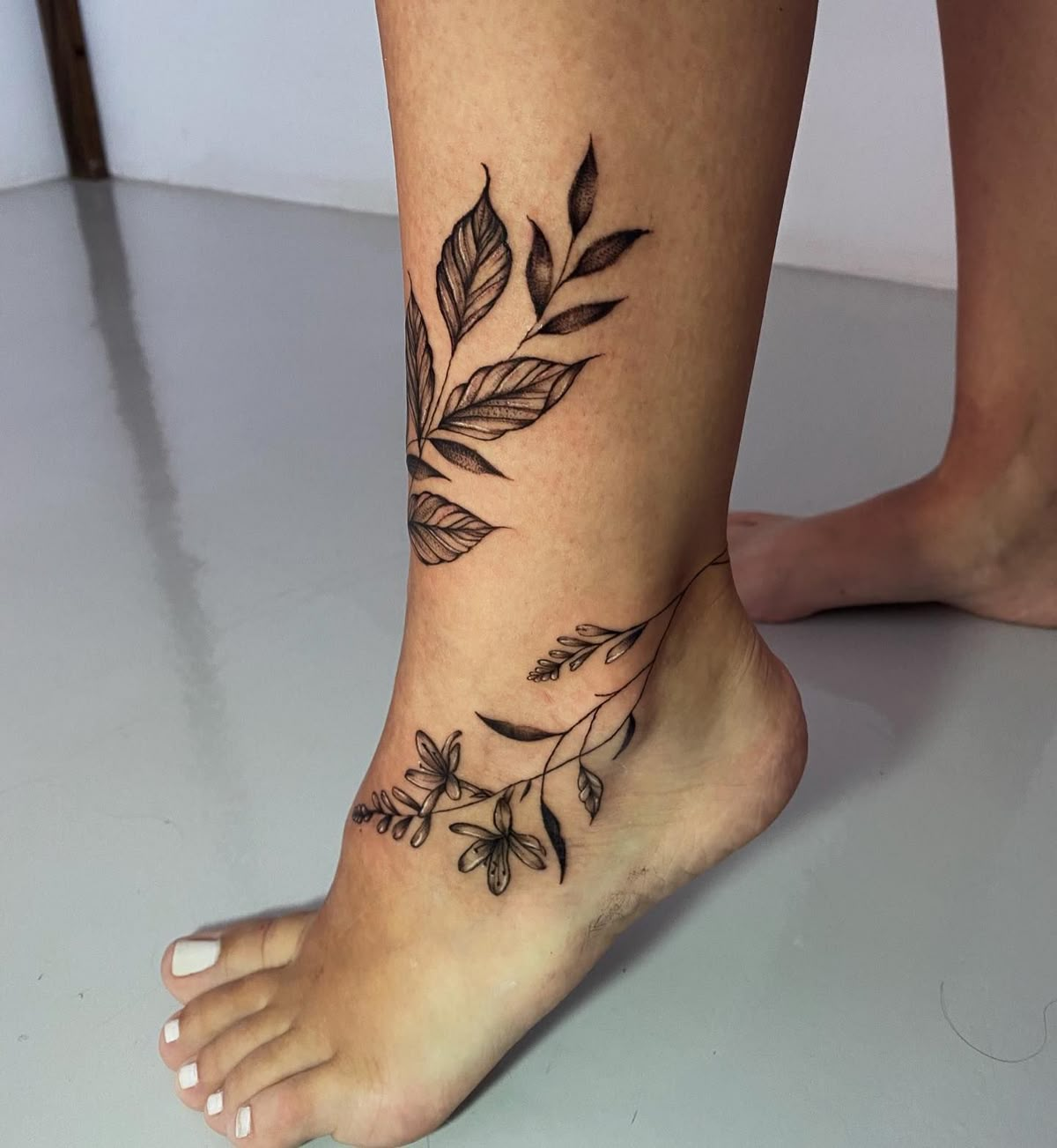
The heel provides a unique, hidden placement for small, simple designs like initials or tiny symbols. While the skin on the heel is thicker (making pain more manageable), the constant movement means these tattoos are highly prone to fading. For better longevity, we often suggest the back of the ankle - just above the heel - as it is less affected by shoe friction.
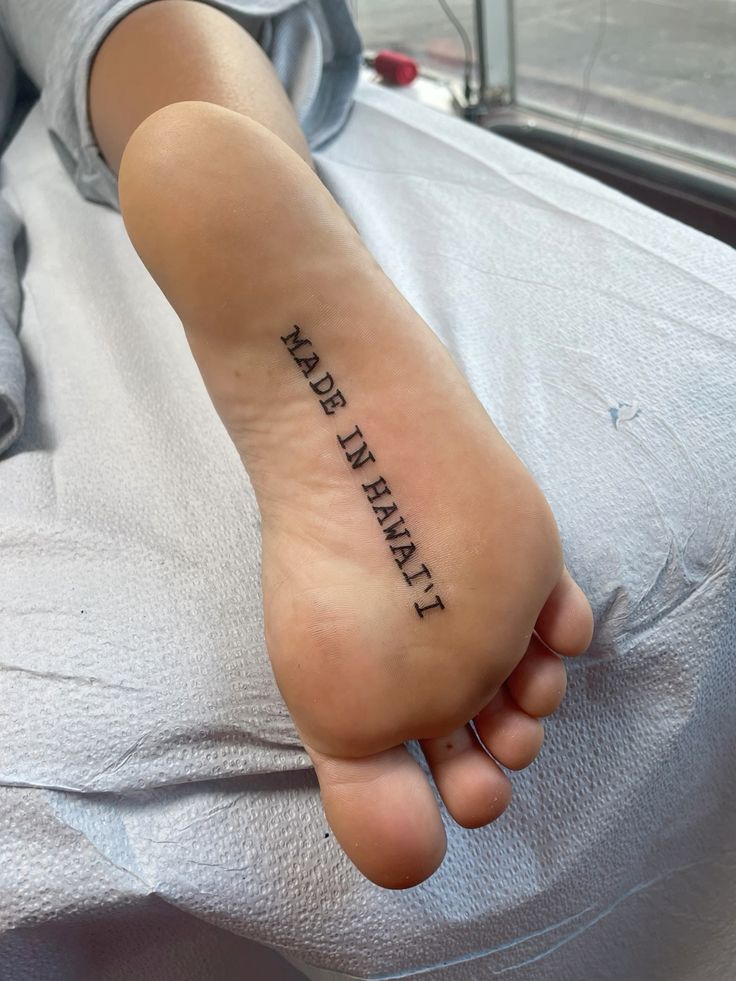
Sole and Bottom of the Foot
Tattoos on the sole are rare and highly specialized. This placement is usually chosen for the experience or a "secret" personal meaning rather than longevity. Because the skin here regenerates so quickly, the ink is guaranteed to fade and blur over time. Pain levels here are intense, and the healing process requires meticulous care, but for some, the rarity of the placement is worth it.
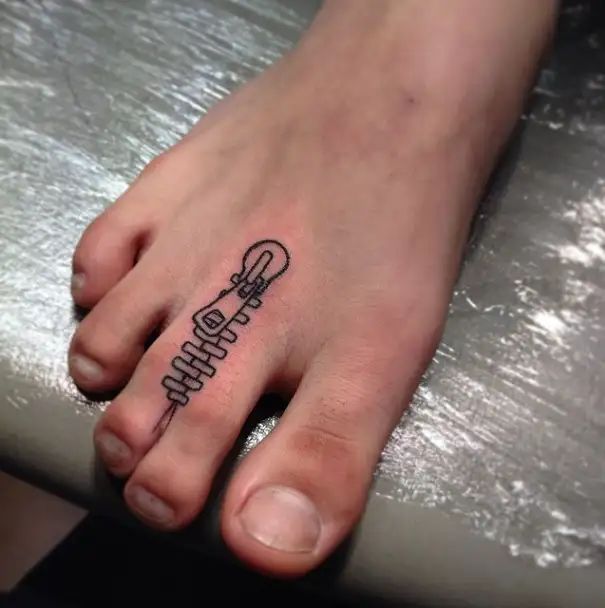
Toes
Toe tattoos are small, dainty, and often playful - think tiny rings or decorative dots. While charming, they are known to be quite painful due to the high concentration of nerve endings. Like other high-friction areas, they require frequent touch-ups to stay looking sharp.
Does a Foot Tattoo Hurt?
Let’s be honest: yes, getting a foot tattoo generally carries a higher "sting" factor. The foot has very thin skin, numerous nerve endings, and minimal fat to cushion the needle. This is especially true on the top of the foot and around the ankle where the bone is right under the surface.
Most people report a sharp, intense sensation. To manage this, we recommend focusing on deep breathing, staying well-hydrated, and ensuring you’ve had a good meal before your session. Our experienced artists are always happy to take short breaks to ensure you’re comfortable throughout the process.
How Much Do Foot Tattoos Cost?
The cost of your foot tattoo can vary depending on several factors. Typically, prices range from $100 for a small, simple symbol to $400 or more for complex, large-scale pieces.
The final price is influenced by:
- The size and intricacy of the design (a detailed mandala vs. a simple line).
- The artist’s level of expertise.
- The time required to complete the piece.
As a professional Hanoi tattoo shop, we prioritize quality and safety, ensuring that every dollar spent translates into a piece of art that heals perfectly.
Will Your Foot Tattoo Fade?
One of the most common questions we get is about longevity. Yes, foot tattoos are more prone to fading than tattoos on your forearm or back. This is primarily due to constant friction from socks and shoes, which naturally exfoliates the skin.
Frequent exposure to sunlight when wearing sandals also contributes to ink breakdown. To keep your tattoo looking fresh, areas like the top of the foot or ankle are generally better than the sole or the sides.
Essential Aftercare for Foot Tattoos
Proper aftercare is the "make or break" for a foot tattoo. Because your feet are in constant use and closer to the ground, they require extra attention to prevent infection and ensure crisp healing.
- Keep it clean: Gently wash the tattoo twice a day with unscented, antibacterial soap. Pat dry - never rub!
- Moisturize: Apply a very thin layer of artist-recommended ointment.
- Elevate: Keep your foot up as much as possible for the first 48 hours to reduce swelling.
- Footwear choices: Avoid socks and shoes for the first 24 hours. When you must wear them, choose loose-fitting socks and open shoes that don't rub the design.
- No swimming: Stay out of pools, oceans, and tubs for at least 2–3 weeks.
- Sun protection: Once healed, always apply high-SPF sunscreen to the area to fight off fading.
Why Choose H2M Tattoo Studio for Your Foot Tattoo?
Choosing the right studio is just as important as the design itself. At H2M Tattoo Studio, we understand that for many travelers, a tattoo is a permanent souvenir of their journey through Vietnam. Here is why we are the trusted choice in Hanoi:
- Experienced Artists: Our team has over 5 years of experience, specializing in everything from Traditional Vietnamese art to modern Realism and Fine-line.
- Safety First: We adhere to strict international sanitation standards and use high-quality sterilization techniques to ensure your health is never at risk.
- Traveler-Friendly: Located in the heart of the Hanoi Old Quarter, our consultants are proficient in English and Chinese, making the design process smooth and stress-free.
- Spacious & Professional: Our 100m² shop can accommodate groups, so you and your travel companions can share the experience together.
A foot tattoo is a beautiful, intimate way to carry your stories with you. By understanding the best tattoo placement and committing to solid aftercare, your new ink will be a source of pride for years to come.
Are you ready to turn your vision into reality while exploring the vibrant streets of Hanoi? Contact H2M Tattoo Studio today to book a consultation with our expert artists and let us help you create a masterpiece that stays with you long after your trip ends. Would you like me to help you brainstorm some custom design ideas for your foot tattoo?