

For those seeking a first tattoo, professional preparation is the primary factor in ensuring both aesthetic quality and safety. H2M Tattoo Studio defines the process through seven critical pillars: permanence assessment, placement-specific pain management, style research, studio sterilization standards, nutritional preparation, artist communication, and biological healing protocols. As a leading best tattoo parlor in Hanoi, H2M integrates medical-grade sterilization (autoclave) with diverse artistic styles - ranging from Vietnamese Traditional to Realism - to ensure that every first-timer’s journey from consultation to full recovery is seamless and medically sound.
Key Takeaways for Your First Session
- The 6-Month Rule: Never rush into a trend; live with a design concept for at least half a year before booking to ensure emotional longevity.
- Biological Readiness: Proper hydration and a protein-rich meal 2 hours prior are the best biological defenses against fainting and low pain tolerance.
- Placement Strategy: Prioritize "low-sensitivity" areas like the outer arm for your first session to build psychological and physical confidence.
- Clinical Aftercare: Longevity is determined by the first 14 days of care; avoid all water submersion and direct UV exposure to prevent ink degradation.
The Psychological and Financial Commitment
The journey begins long before the needle touches the skin. A tattoo is a permanent modification of your body’s dermal layer. While laser technology has advanced, removal remains a costly, multi-session process that rarely restores skin to its original state.
The Financial Reality
When budgeting for your first piece at a reputable studio like H2M Tattoo Studio, expect to invest between $100 and $500. This reflects more than just ink; it covers the artist’s years of training, medical-grade disposables, and the custom design process. High-quality work requires a flat rate for small pieces or an hourly rate of $100–$200. Understanding the vietnam tattoo price and investing in quality upfront prevents the significantly higher costs of "cover-ups" or touch-ups in the future.
Navigating the Spectrum of Tattoo Styles
One of the most common mistakes first-timers make is failing to distinguish between tattoo styles. Each style requires a different technical approach and ages differently.
- Old School & Neo-Traditional: Known for bold black outlines and saturated palettes that stand the test of time.
- Realism & Portraits: These require master-level shading to mimic photography, often best placed on flat, large areas like the forearm or back.
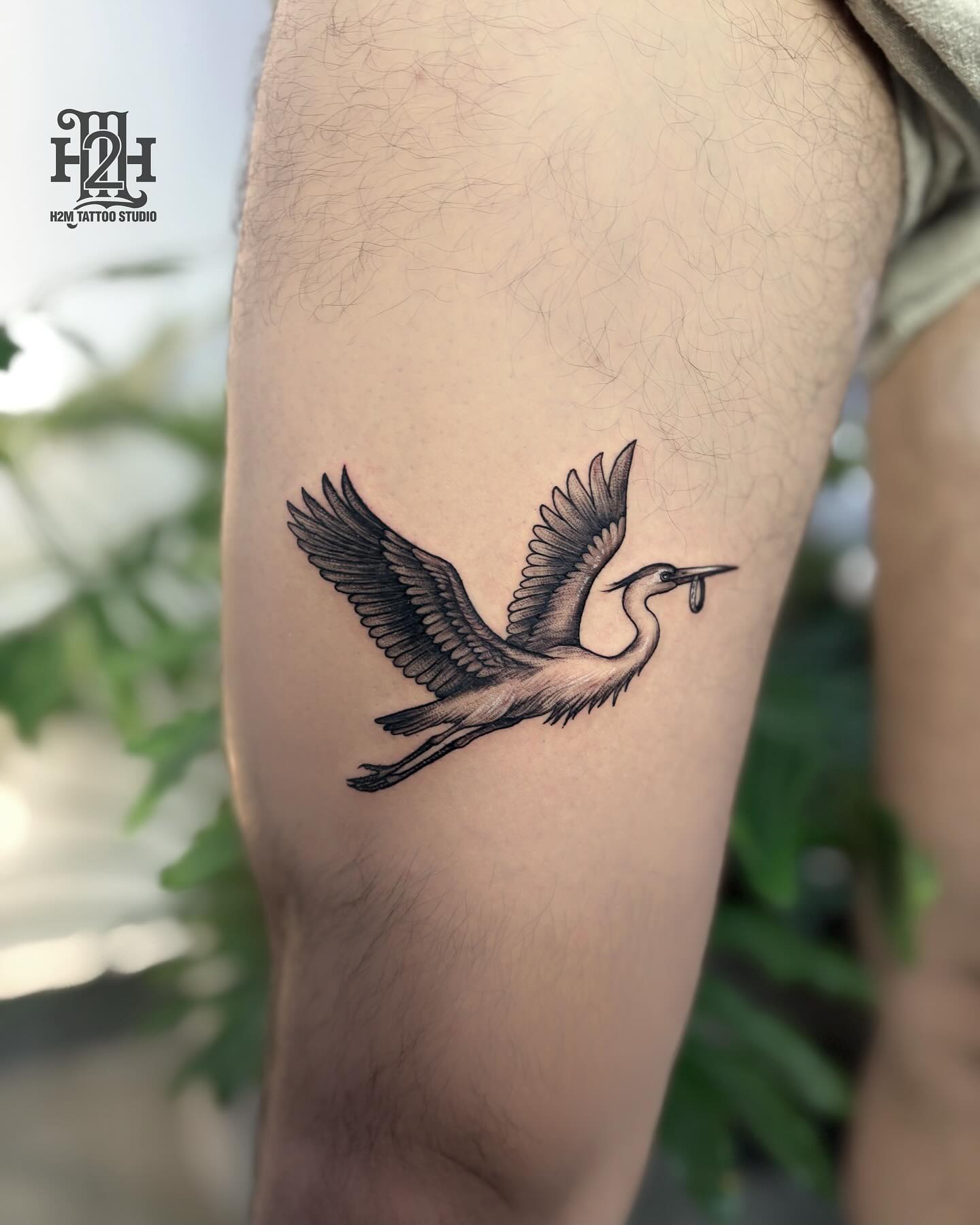
- Fine-Line: Delicate and minimalist, perfect for those wanting a subtle first entry into body art.
- Vietnamese Traditional: A specialty at H2M, blending cultural motifs with modern techniques.
Understanding these styles helps you filter through portfolios to find the perfect match for your vision.
Strategizing Tattoo Size and Placement
The tattoo size and tattoo placement are not just aesthetic choices; they are functional ones.
The Pain Hierarchy
Pain is subjective, but biological "hot zones" are consistent. For a first-timer, avoid areas where skin is thin over bone - such as the ribs, spine, or ankles. These areas vibrate intensely, which can be overwhelming. Instead, opt for the upper arm, calf, or outer thigh. These "fleshy" areas offer more padding, making the sensation feel more like a hot, vibrating scratch rather than a sharp sting.
Professional and Social Impact
Consider the "visibility" of your art. While H2M observes a growing global tolerance for tattoos, "radical" placements like the face, neck, or hands still carry social weight and can affect certain career paths. We recommend starting with "concealable" placements that allow you to choose when to showcase your art.
How to Find and Choose a Reputable Artist
Choosing the right tattoo artist is arguably the most critical step in your journey. You are not just hiring an illustrator; you are hiring a technician who must follow strict medical protocols.
The Safety Standard
A professional studio is a clinical environment. At H2M Tattoo Studio, we utilize a medical-grade autoclave for all non-disposable tools and perform regular spore tests to verify sterility. When visiting a shop, always look for:
- Single-use needles: They must be opened from a sealed, sterile pack in your presence.
- Barrier film: All surfaces (machines, lamps, chairs) should be covered in fresh plastic.
- Healed Portfolios: Don’t just look at "fresh" photos. Ask to see how their work looks 1–2 years later to judge their technical depth.

Critical Questions to Ask Your Tattoo Artist
During your consultation, you should feel empowered to interview your artist. Transparency is a hallmark of a professional. Key question to ask your tattoo artist include:
- "How many years of experience do you have with this specific style?"
- "What brand of ink do you use, and are there hypoallergenic options?"
- "Do you offer a 'skin check' or touch-up session after the initial healing?"
- "Based on my skin tone, which pigments will remain the most vibrant over time?"
Additionally, it is common for international travelers to ask about local customs, such as how much to tip Vietnamese tattoo artist. While not mandatory, a 15–20% tip is a standard and highly appreciated gesture for exceptional custom work in Hanoi.
Physical Preparation: The 24-Hour Protocol
Your body’s chemistry on the day of the appointment determines your pain threshold and how well the skin "takes" the ink.
The Nutritional Foundation
Knowing what to eat before getting a tattoo is the difference between a smooth session and a fainting spell. Tattoos trigger an adrenaline response that can cause blood sugar to plummet. We recommend a hearty meal 1–2 hours before your appointment - think protein, complex carbs, and healthy fats. Bring a "go-bag" with water and quick-energy snacks like fruit or nuts for sessions exceeding two hours.
Skin Hydration and Sobriety
Hydrated skin is supple; dehydrated skin is "tough" and resistant to ink. Drink plenty of water in the 48 hours leading up to your session. Crucially, avoid alcohol for at least 24 hours. Alcohol thins the blood, leading to excessive bleeding that "pushes" the ink out of the skin, resulting in a faded, patchy tattoo.
The Science of Proper Tattoo Aftercare
The moment you leave the studio, the longevity of your art is in your hands. Proper tattoo aftercare is a medical necessity, not a suggestion.
The First 48 Hours
Your tattoo is an open wound. Keep it clean by washing it twice daily with mild, unscented antibacterial soap. Pat it dry with a clean paper towel - never rub it with a bath towel, which can harbor bacteria.
Long-Term Maintenance
Once the initial peeling stops (usually after 2–3 weeks), shift your focus to preservation. The sun is the primary enemy of tattoo ink. UV rays break down pigment particles, causing lines to blur and colors to fade. Daily application of high-SPF sunscreen is the only way to keep your art looking sharp for decades.
Comparison: Preparing for Your First Session
| Preparation Step | Why It Matters | H2M Expert Tip |
| Hydration | Makes skin more resilient to needles. | Drink 2-3 liters of water 24h prior. |
| Balanced Meal | Prevents dizziness and fainting. | Focus on slow-release carbs like oats. |
| Clothing | Ensures artist access and your comfort. | Wear dark, loose-fitting cotton. |
| Rest | Increases natural pain tolerance. | Get at least 8 hours of sleep. |
Conclusion: Your Journey Starts Here
Getting your first tattoo is a transformative experience that marks a new chapter of self-expression. By prioritizing the biological and technical preparations outlined above, you ensure that your first piece of body art is a masterpiece rather than a mistake.

At H2M Tattoo Studio, we pride ourselves on being the best tattoo parlor in Hanoi, offering a bilingual, safe, and artistically diverse environment for travelers and locals alike. Our 22-person team is ready to guide you from the first sketch to the final healed result.
Would you like me to create a personalized "Day-Of" checklist based on your specific tattoo placement to ensure you don't miss any preparation steps?
A tattoo is more than just a mark on your skin; it's a story told through time. Let H2M Tattoo Studio be a part of your journey in creating a unique piece of art - a beautiful and meaningful memory. We are always ready to listen to your story and turn it into a complete and unforgettable masterpiece.
Contact us today to get a detailed consultation from our team of artists and get ready for your perfect tattoo appointment!
- Address: 17 Luong Ngoc Quyen, Hoan Kiem, Hanoi
- Whatsapp: +84 362 473 345
- Website: https://h2mtattoo.com/
- Fanpage: https://www.facebook.com/profile.php?id=61561840991173
FAQ Section
Q: How much should I tip my artist at H2M?
A: While tipping is at your discretion, 15–20% is the standard way to show appreciation for the artist's custom design and technical skill.
Q: Can I go for a swim after my session?
A: No. You must avoid pools, oceans, and baths for at least 2–3 weeks. Submerging a fresh tattoo can lead to infection and severe ink loss.
Q: Is a "skin check" necessary?
A: Yes. We recommend returning 3–4 weeks after your session. This allows the artist to ensure the ink has settled correctly and provide any necessary micro-touch-ups.
Q: What if I have eczema or a skin condition?
A: Always inform your artist during the consultation. We cannot tattoo over active flare-ups, as it compromises the healing process.
Q: How do I know if the studio is safe?
A: A reputable studio like H2M will always be happy to show you their sterilization area and explain their medical protocols. If a shop refuses to show you their autoclave, it is a significant red flag.