


Selecting the right tattoo artist is a decision that stays with you forever, making it essential to verify their expertise, safety protocols, and artistic style before the needle ever touches your skin. To ensure you receive a high-quality, safe, and beautiful piece of art, you should ask your artist about their professional experience, sterilization methods (specifically the use of a medical-grade autoclave), their custom design process, and detailed aftercare instructions. This guide breaks down the 14 most important questions to help you navigate your consultation with confidence, ensuring your vision is realized by a professional who prioritizes your health and satisfaction.
Why Your Consultation Questions Matter
A tattoo is more than just an aesthetic choice; it is a permanent investment in your body and a minor medical procedure. Engaging in a detailed dialogue with your artist helps establish a foundation of trust and clarifies the expectations for both parties.
When you ask specific, informed questions, you aren't being a "difficult" client. Instead, you are acting as an informed partner. Professional artists, like those at H2M Tattoo Studio, value clients who care about the quality and safety of the work being performed. These inquiries allow you to verify the artist's credentials and ensure their technical skills align with the specific style you desire.
Furthermore, a consultation is the best time to iron out logistics. From understanding the pricing structure to knowing how many sessions a piece might take, getting these details upfront prevents surprises and ensures a smooth, stress-free experience from start to finish.

Asking About Experience and Expertise
The foundation of a great tattoo is the artist’s background and their mastery of the craft. Since you are commissioning a custom piece of art, you must ensure the artist’s portfolio and skills match the vision you have in mind.
How long have you been tattooing professionally?
Knowing an artist’s years of experience provides a baseline for their skill level and mastery of different skin types. An artist with a long-standing career has likely encountered various challenges and refined their technique across multiple genres. At H2M, for instance, we emphasize that our team consists of artists with over 5 years of experience, ensuring a high level of consistency and technical proficiency.
Can I see your portfolio, especially healed photos?
A portfolio is the most direct evidence of an artist's capability. However, don't just look at fresh tattoos, which always look vibrant. Ask specifically for photos of healed work. Seeing how the ink settles over time—whether the lines remain crisp and the colors stay saturated—is the true test of an artist’s technical application. It confirms their work stands the test of time.
What is your custom design process like?
If you want a unique piece, you need to know how the artist translates your ideas into a stencil. A professional process usually involves an initial consultation, followed by sketches for your review. Ask about the timeline for these sketches and whether there are separate fees for the drawing phase. This collaboration is key to receiving a tattoo that feels personal and meets your expectations.
Prioritizing Hygiene and Safety Standards
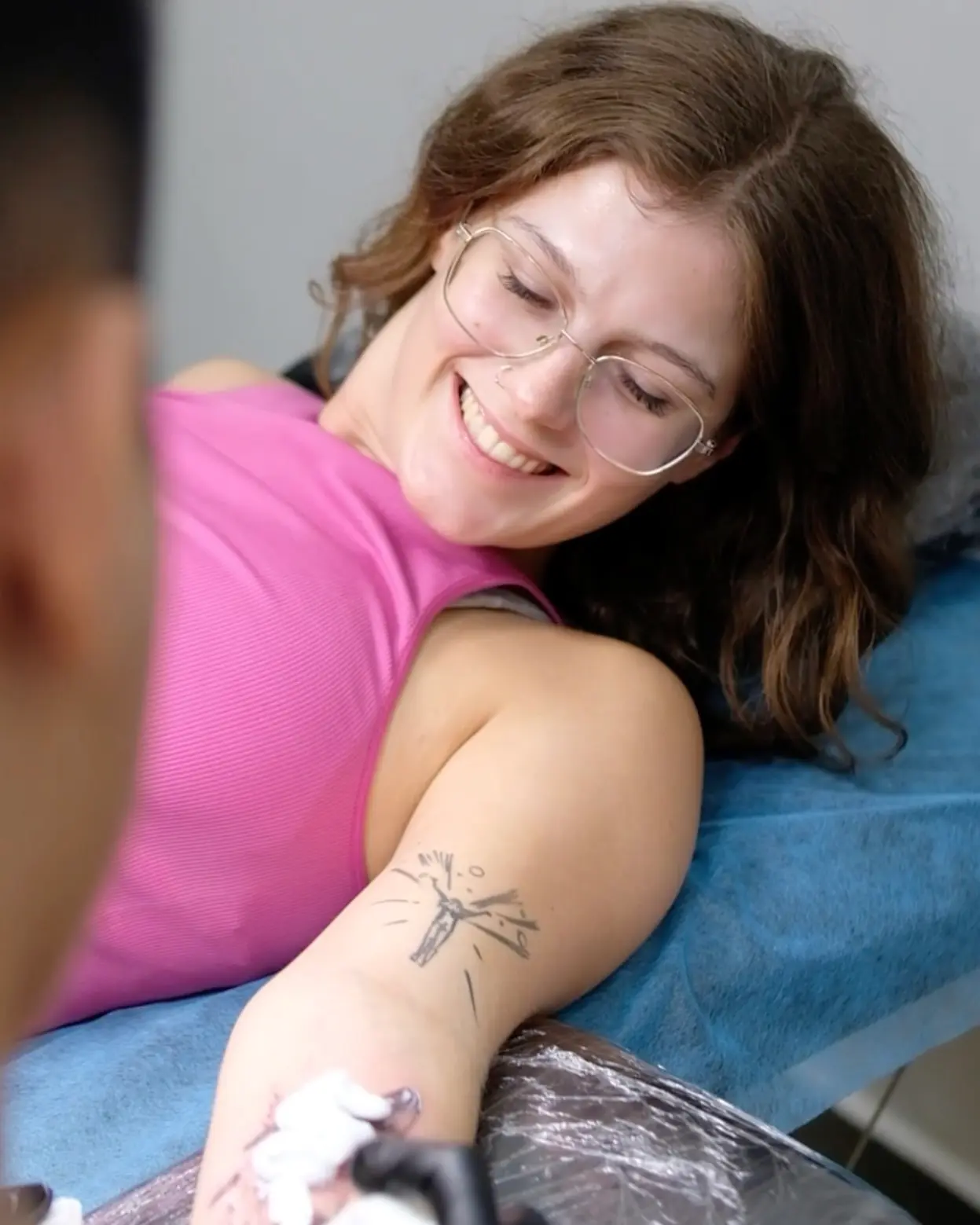
Safety is the most non-negotiable aspect of the tattooing process. A professional studio should operate with the cleanliness and precision of a medical facility to prevent any risk of infection or cross-contamination.
How are your tools sterilized?
The only acceptable answer to this is a medical-grade autoclave. An autoclave uses high-pressure steam to kill all bacteria, viruses, and spores on non-disposable equipment. If a studio claims to "clean" tools with just alcohol or bleach, this is a major red flag. A professional artist should be able to explain their sterilization cycle and even show you recent spore test results if requested.
Are all needles and supplies single-use and opened in front of me?
Any item that touches your skin—needles, ink caps, razors, and gloves—must be new and sterile. A responsible artist will always wait until you are present to open the sealed, pre-sterilized packaging for these items. This transparency is a fundamental industry standard that ensures your health is the top priority throughout the session.
What type of ink do you use?
The quality of the ink impacts the tattoo’s safety, vibrancy, and longevity. Professionals use reputable brands like Eternal Ink, World Famous, or Dynamic, which are non-toxic and manufactured under sterile conditions. Each bottle should have an expiration date and a lot number for traceability. Using high-quality ink ensures that your tattoo heals well and retains its brilliance for years.
Understanding the Tattooing Process and Timeline
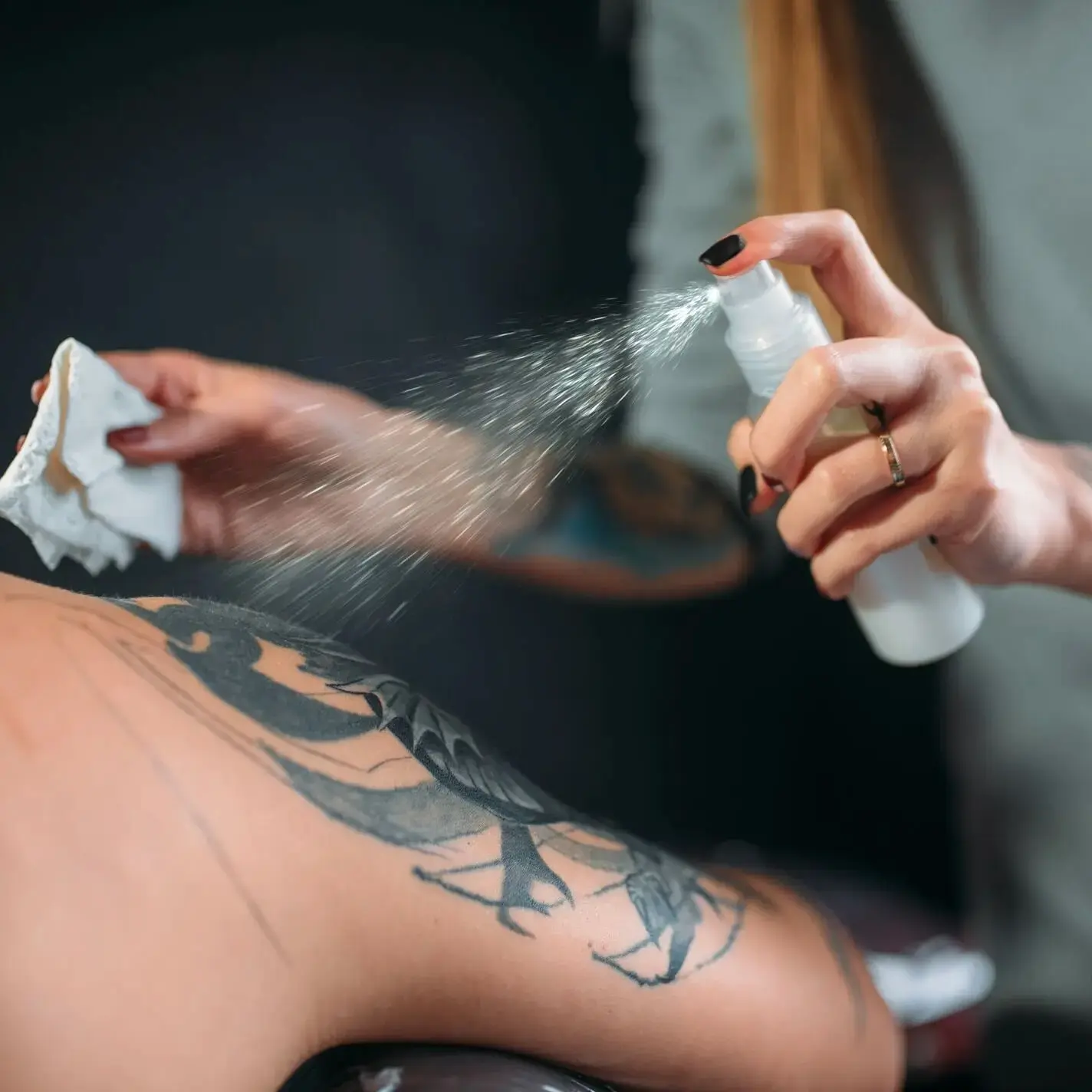
Once safety is confirmed, you need to understand the logistics of the actual session. This helps you manage your schedule and prepare for the physical commitment required for your new art.
How long will the tattoo take and will it require multiple sessions?
Estimating the time helps you plan your day and your budget. Large or highly detailed pieces, such as realism or full-back designs, often require multiple appointments to allow the skin to heal between sittings. Understanding the total commitment allows you to plan for the healing phases and ensure you can complete the piece within your desired timeframe.
What is the story or meaning behind your design?
This is a question your artist might ask you. Being prepared to explain the "why" behind your tattoo helps the artist capture the right emotion and aesthetic. Whether it's a memory of your travels or a tribute to a loved one, sharing the story allows for a more meaningful and creative collaboration.
Transparency in Cost and Payment
Tattoos are a permanent investment, and financial clarity is essential for a positive experience. A professional studio will always be transparent about their pricing structure before the needle hits the skin.
How is the price calculated: hourly or a flat rate?
Artists use different pricing models. Hourly rates are common for large, complex pieces where the total time is hard to predict. Flat rates are often used for smaller, flash designs or specific custom pieces. Knowing which model is being used helps you understand how the final cost is determined so you can budget accordingly.
What is the estimated total cost and the deposit amount?
Once the size, placement, and detail are finalized, the artist should provide a reliable price range. Most studios require a non-refundable deposit to secure your appointment and cover the time spent on custom drawing. This deposit is usually applied to the final price of the tattoo.
Do you offer a free touch-up policy?
A touch-up policy is the mark of an artist who stands by their work. Occasionally, a tattoo may heal with minor imperfections or a faded spot. Many professional studios provide a complimentary touch-up within the first few months to ensure the final result is perfect. Asking about this upfront clarifies the artist’s commitment to the long-term quality of the piece.
Preparing for the Physical Experience and Aftercare
The final stage of the journey involves the physical sensations of the appointment and the critical weeks of healing that follow. Proper preparation and aftercare are what separate a great tattoo from a mediocre one.
How painful will this specific placement be?
While everyone’s pain tolerance varies, certain areas are notoriously more sensitive. Placements over bone or areas with many nerve endings—like the ribs, spine, or feet—will feel different than fleshier areas like the outer arm. An experienced artist can describe the sensation (ranging from a "scratch" to a "vibration") and offer tips on deep breathing or taking breaks to manage the discomfort.
How should I prepare my body on the day of the appointment?
Your physical state significantly affects your pain tolerance and how well your skin accepts the ink. Artists recommend eating a full meal, staying hydrated, and getting plenty of sleep the night before. You should also avoid alcohol and blood-thinning medications for at least 24 hours prior, as these can cause excessive bleeding and complicate the tattooing process.
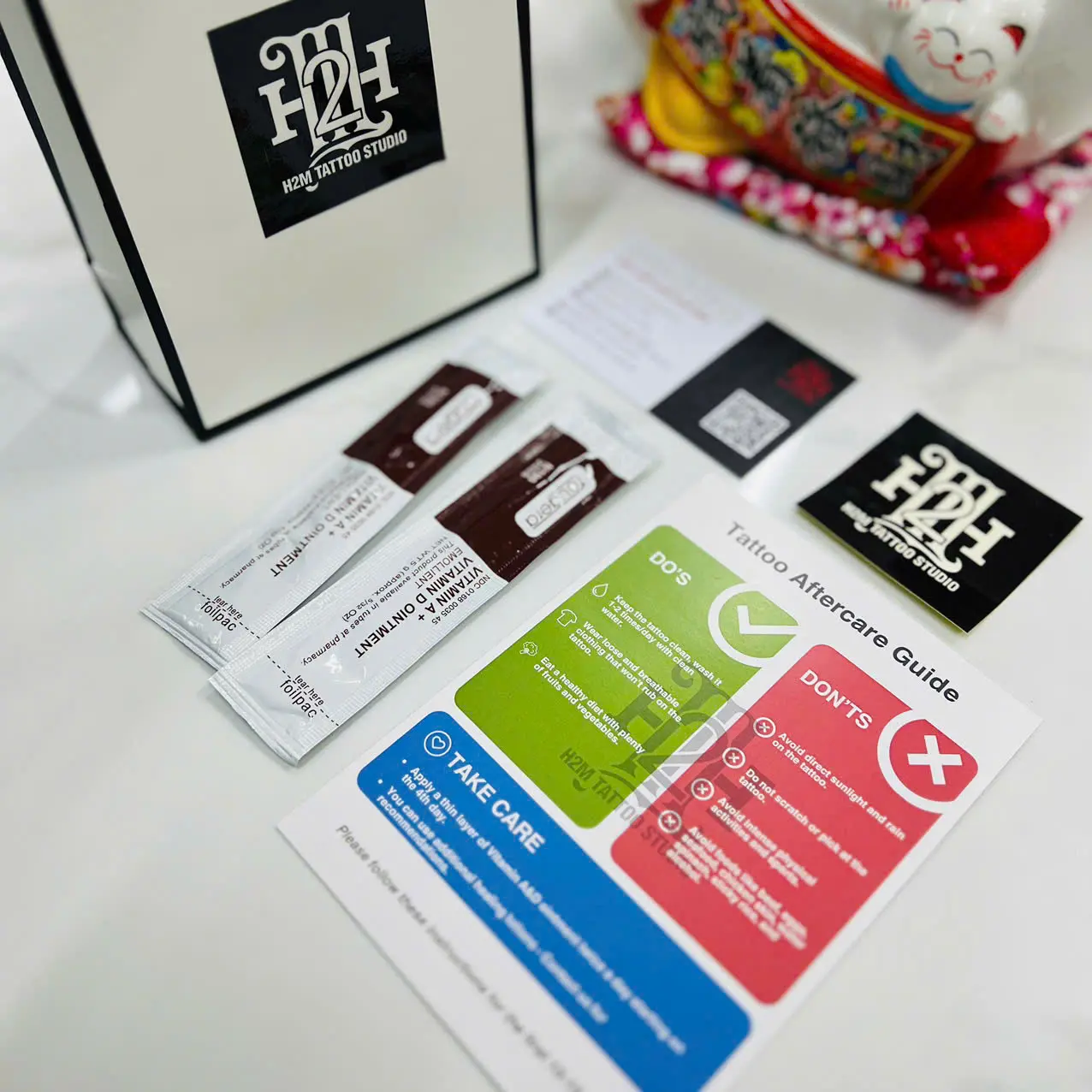
What are your specific aftercare instructions?
The artist provides the art, but you are responsible for the healing. Every artist has a preferred regimen involving cleaning, moisturizing, and sun protection. You should receive these instructions both verbally and in writing. Following these steps strictly is the only way to avoid infection and ensure your tattoo remains vibrant and crisp as it heals.
Conclusion
Navigating a tattoo consultation doesn't have to be intimidating. By asking these 14 essential questions, you ensure that you are working with a professional who respects your health, your budget, and your artistic vision. Clear communication is the key to a successful outcome, turning a simple appointment into a collaborative journey toward a piece of art you will cherish for a lifetime.
At H2M Tattoo Studio, we pride ourselves on being more than just artists; we are your consultants and partners in this process. Located in the heart of Hanoi's Old Quarter, our team brings nearly a decade of expertise and a deep commitment to medical-grade hygiene standards. Whether you are looking for a traditional Vietnamese design or a modern realism piece, we are here to answer every question and guide you through a world-class tattoo experience.