

Choosing the right tattoo placement is a critical decision that directly impacts your design’s pain level, visibility, longevity, and how it flows with your body’s natural form. Whether you are looking for a discreet spot or a bold statement piece, the perfect location balances your aesthetic goals with practical factors like skin elasticity and daily lifestyle. In this guide, we draw from years of experience at H2M Tattoo Studio to help you navigate the complexities of placement, ensuring your new ink looks stunning for years to come.
Key factors to consider before choosing a tattoo spot
Before you sit in the chair, you need to think beyond just "where it looks cool." Your body is a living canvas, and different areas react differently to ink. At H2M, we always advise our clients to consider how their skin will move and age over time.
Size compatibility and design complexity
The size of your tattoo often dictates the placement. A tiny, minimalist lotus won't have the same impact on a large area like the back as it would on a wrist. Conversely, a highly detailed portrait requires a larger, flatter surface to ensure the details don't "bleed" together over time. We often see travelers wanting intricate souvenirs; for these, we recommend stable areas where the skin doesn't stretch excessively.
Personal pain tolerance and lifestyle
How much pain can you handle? This is the most common question we get in the Hanoi Old Quarter. If this is your first tattoo, you might want to avoid the ribs or shins. Additionally, consider your job and lifestyle. Do you need to hide your ink for professional reasons, or are you ready to show it off? Sunlight exposure is another big factor—areas frequently exposed to the sun will fade faster unless you are diligent with aftercare.
The most painful tattoo placements
Pain is subjective, but certain areas are universally known for a higher "sting" factor. These usually involve spots where the skin is thin, or the bone is very close to the surface.
The ribs, sternum, and spine are often cited as the most intense areas. Because there is very little fat or muscle to cushion the needle, you will feel the vibrations directly on your bones. Many of our clients describe it as a sharp, burning sensation. Other high-intensity spots include the tops of the feet, the armpits, and the "ditch" of the elbow or knee. These areas have a high concentration of nerve endings, making the process a true test of endurance.
If you are planning a piece in one of these zones, we recommend keeping your session lengths manageable. Our artists at H2M are experts at working efficiently to minimize discomfort, but it’s always wise to come prepared with a full stomach and a calm mind.
>>> Read More: Does Getting a Tattoo Hurt? 7 Essential Facts Every First-Timer Should Know
The least painful tattoo placements
If you are looking for a more relaxed experience, there are several "low-pain" zones that are perfect for beginners or those planning long sessions.
The outer arm and the thighs are generally the most comfortable spots. These areas have thicker skin and more muscle or fat to absorb the needle's impact. For many, the sensation here is more like a dull scratch than a sharp pain. The calves and the upper back (away from the spine) also fall into this category.
Choosing a less painful spot doesn't mean you’re compromising on style. In fact, these areas are often the most versatile for different art genres. Whether you’re getting a Vietnamese traditional piece or a modern graphic design, these "easy" spots provide a stable and forgiving canvas.
>>> Read More: What Are The 7 Least Painful Places to Get a Tattoo? Your Complete Pain-Free Guide
Detailed analysis of tattoo placement
To get the best result, you need to understand how the anatomy of a specific area interacts with your chosen art. Let’s break down the most popular choices.
Arm placement
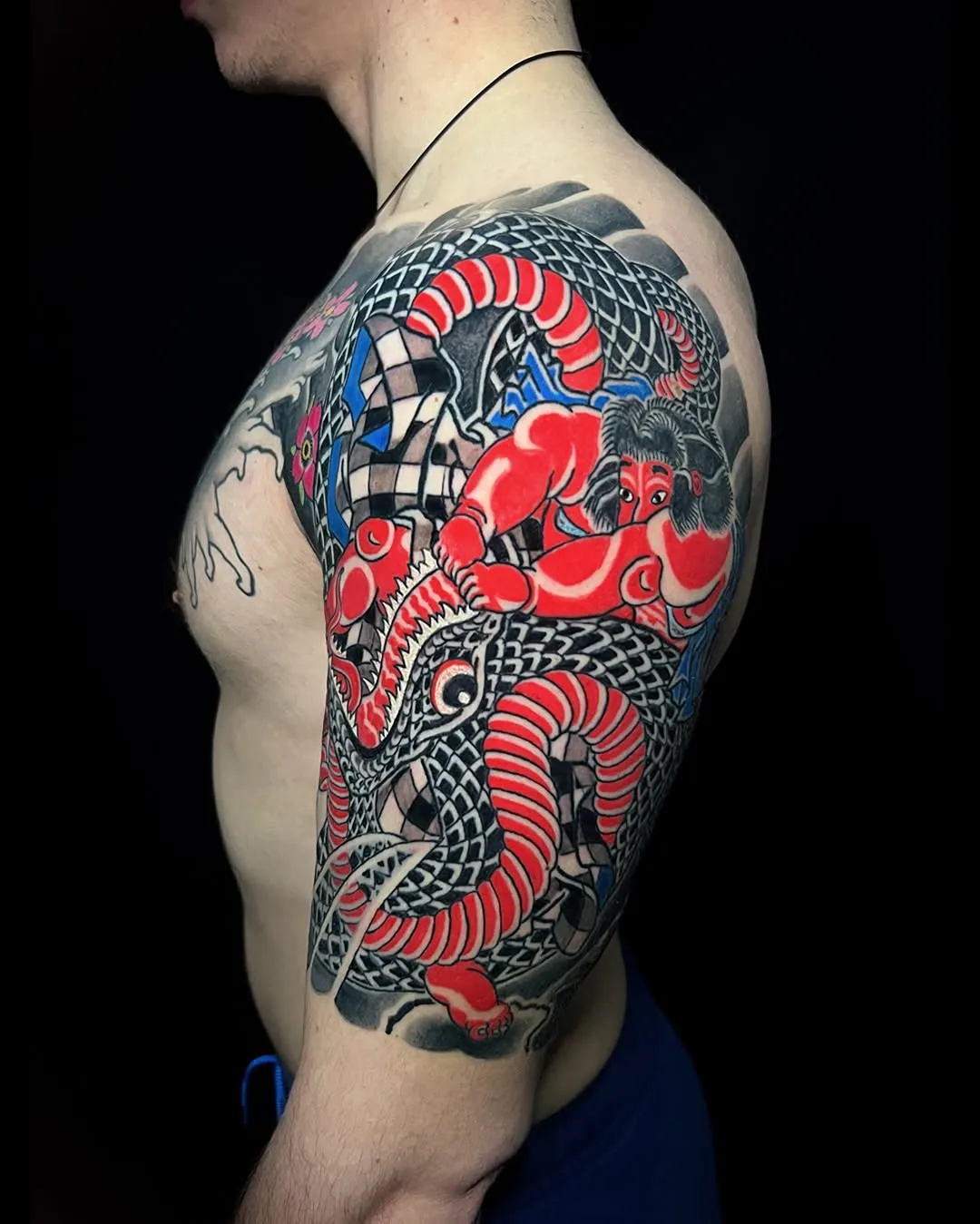
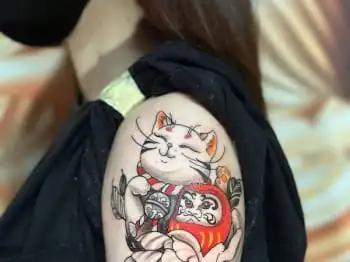
The arm tattoo placement is the most popular choice for a reason. It offers great visibility and adapts well to almost any style. Shoulder tattoo placement is a fantastic option for those who want the flexibility to hide their ink under a T-shirt or show it off in a tank top. It provides a rounded, muscular surface that is ideal for circular designs or the start of a larger piece.
Full sleeve
A full sleeve is an architectural commitment. It requires a cohesive flow that wraps around the arm's musculature. At H2M, we emphasize planning the "negative space" to ensure the design doesn't look cluttered as it moves.
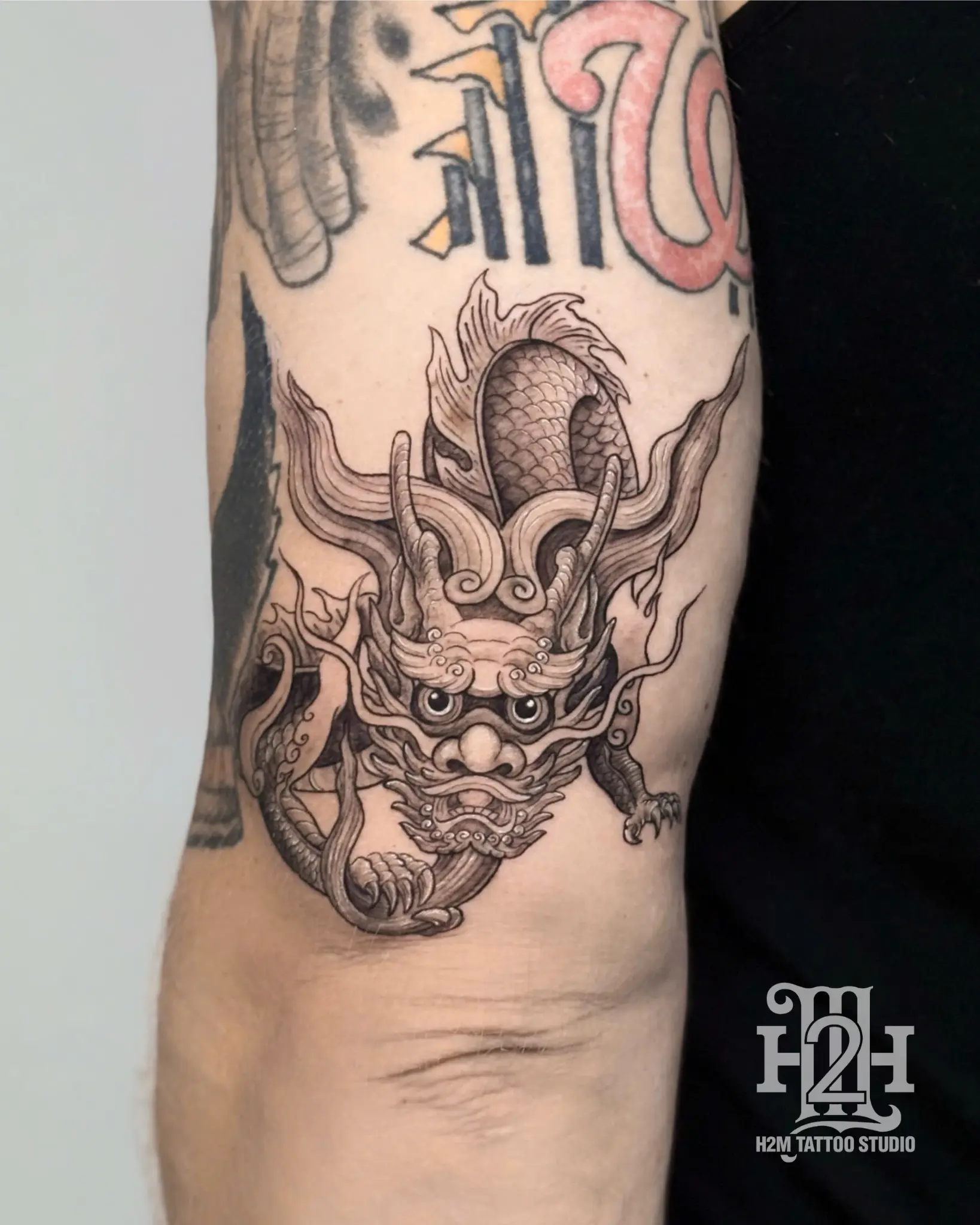
Outer Upper Arm
The gold standard for beginners. It’s a flat, muscular surface that ages beautifully.
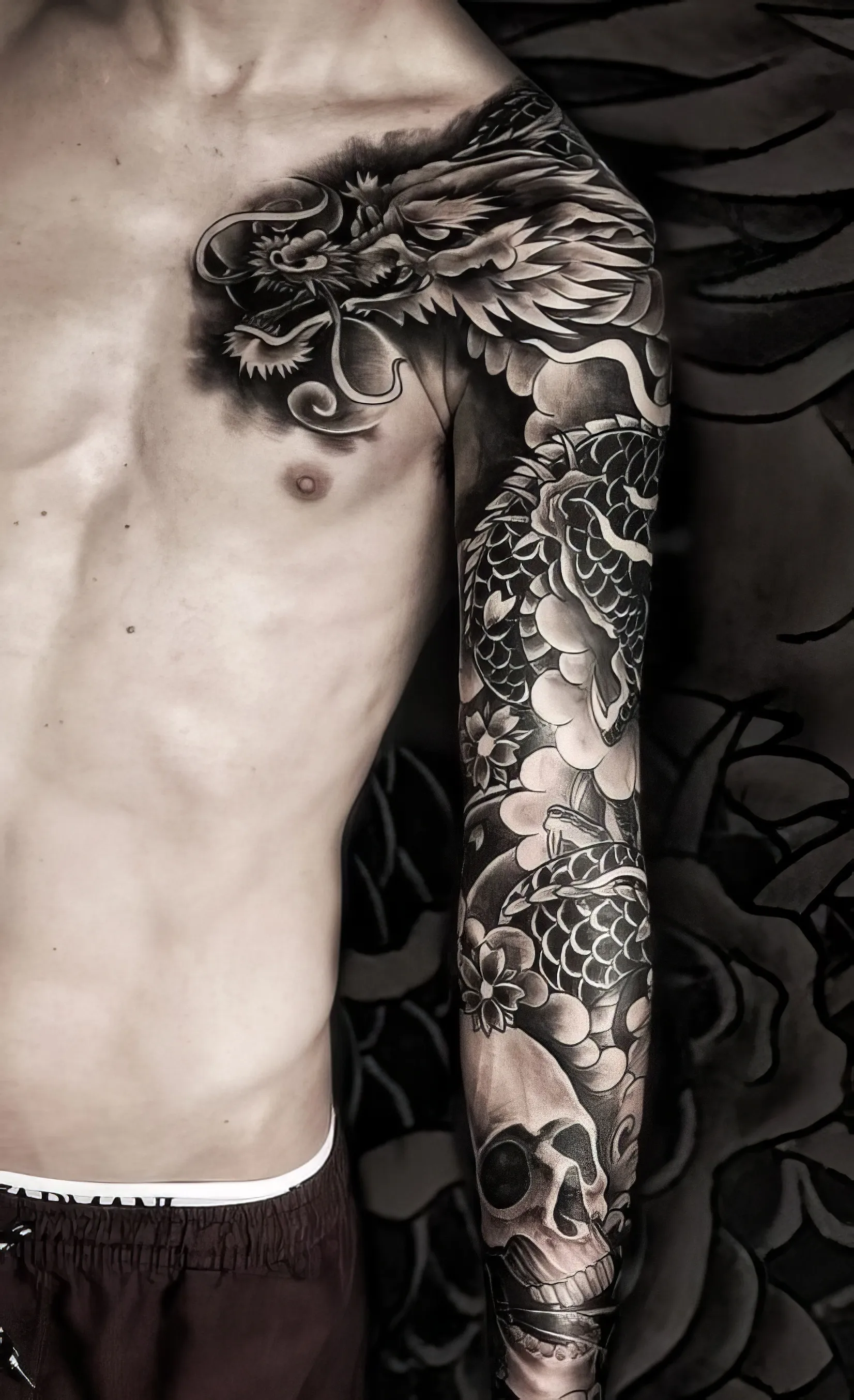
Forearm
Perfect for scripts or geometric patterns. It provides high visibility for the wearer.
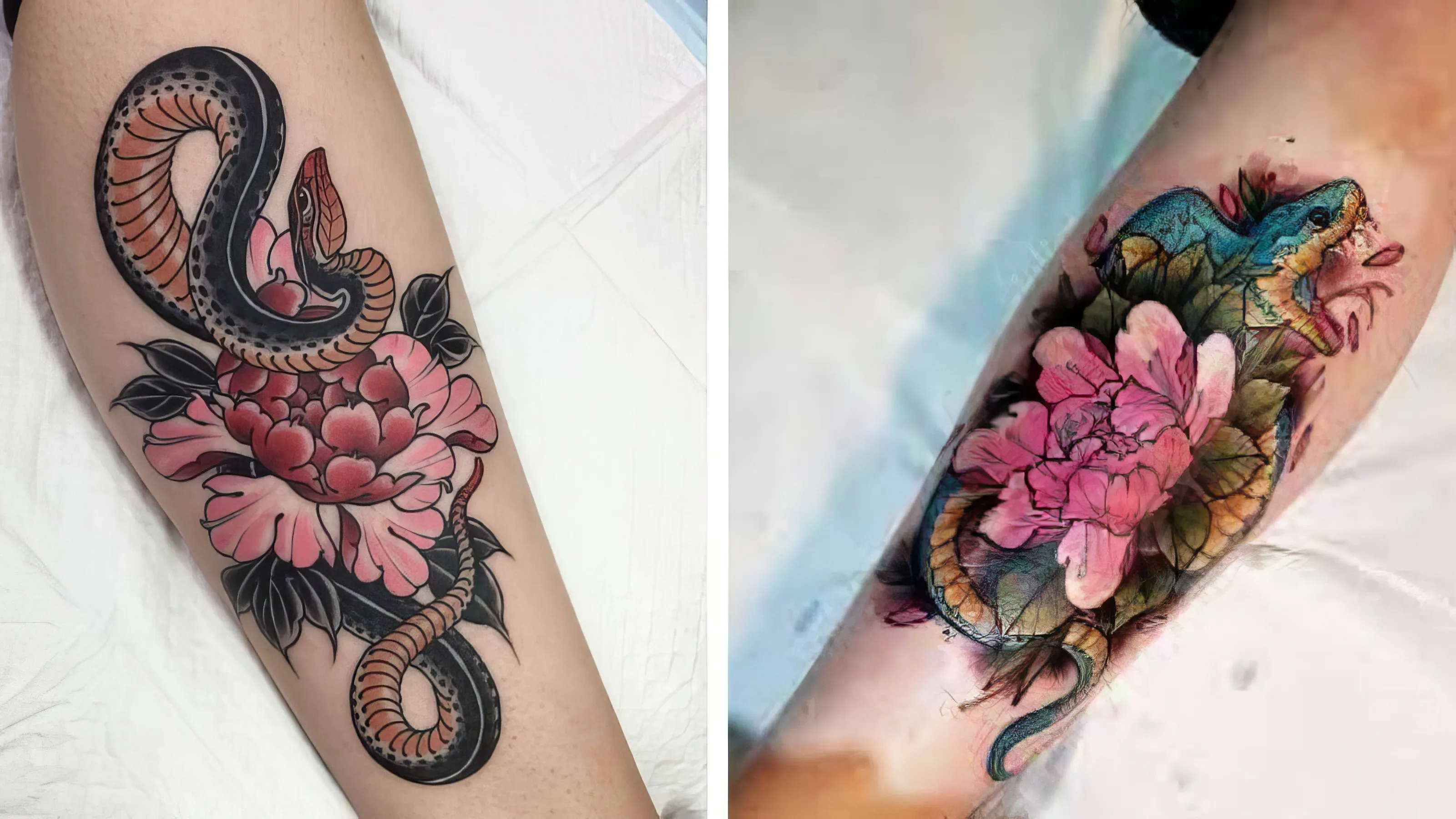
Inner Bicep
A more discreet option, though the skin here is much more sensitive than the outer arm.
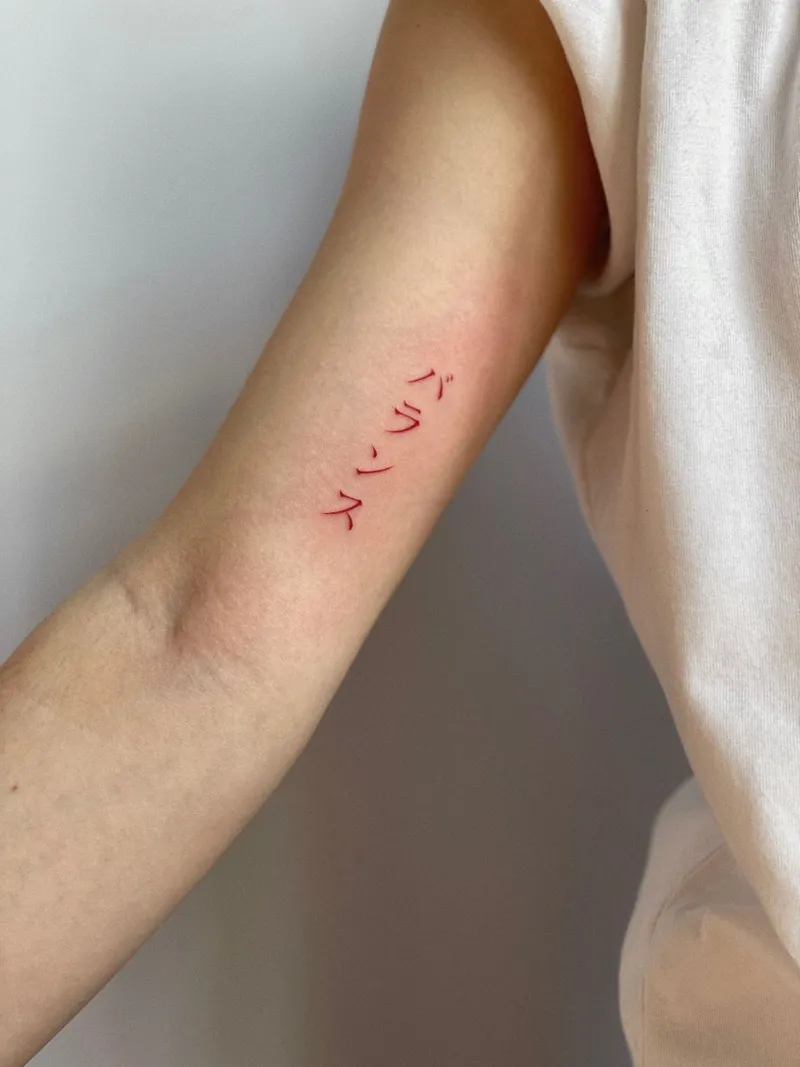
Shoulder
Shoulder tattoo placement is ideal for circular designs and acts as a perfect anchor for larger pieces that might eventually transition into a sleeve.
Leg placement
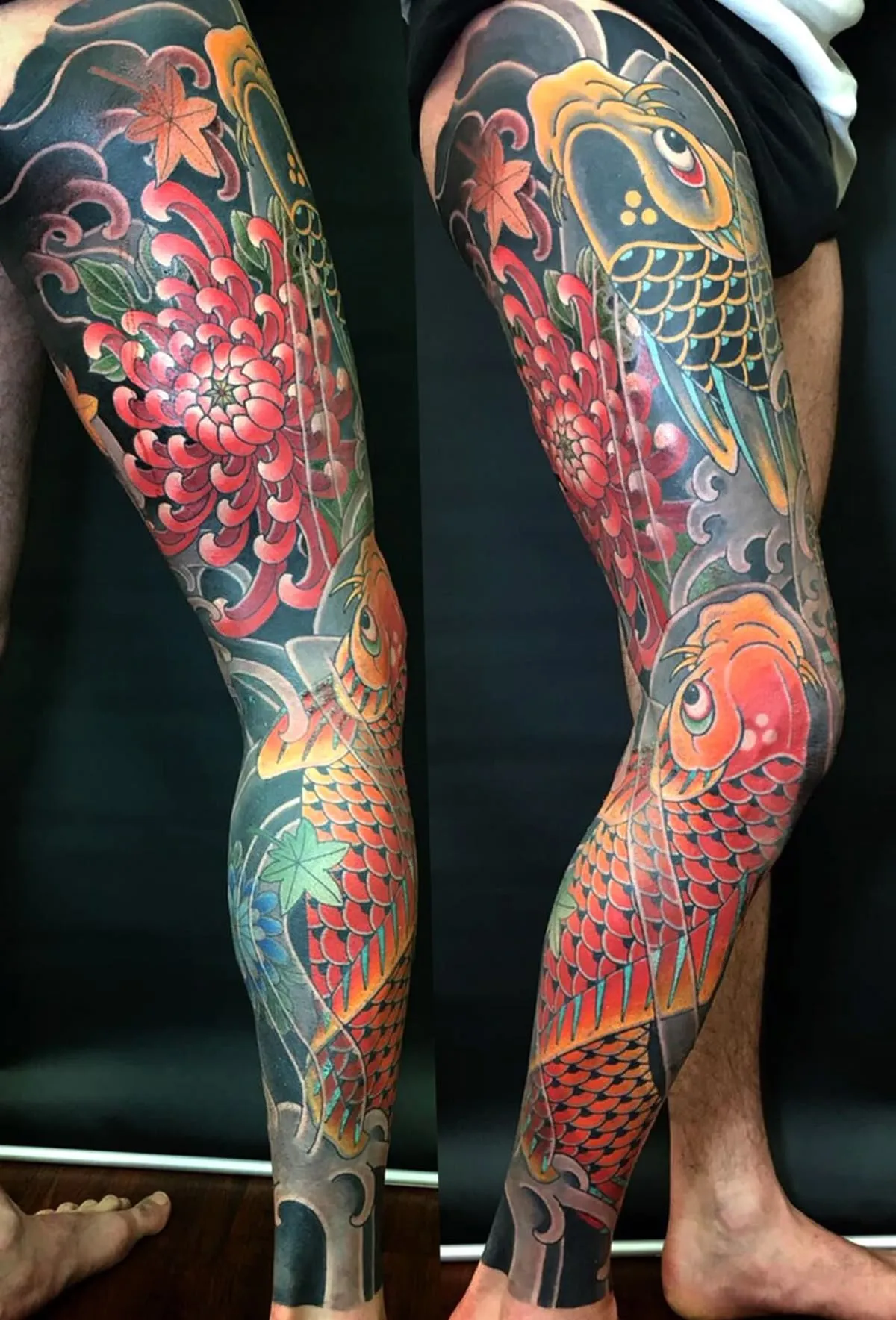
Legs offer a massive amount of space, second only to the back. Leg tattoo placement is highly versatile; you can choose the fleshy thigh for large-scale pieces or the calf for vertical designs.
Thigh and Shin
The front and side of the thigh are excellent for large, colorful pieces because the skin is tight and ages well. The shin, however, is much more painful due to the proximity to the bone. If you’re a traveler walking a lot through Hanoi, keep in mind that leg tattoos can sometimes swell more due to gravity, so plan for some downtime!
Calf
Great for symmetry and very easy to show off during the summer.
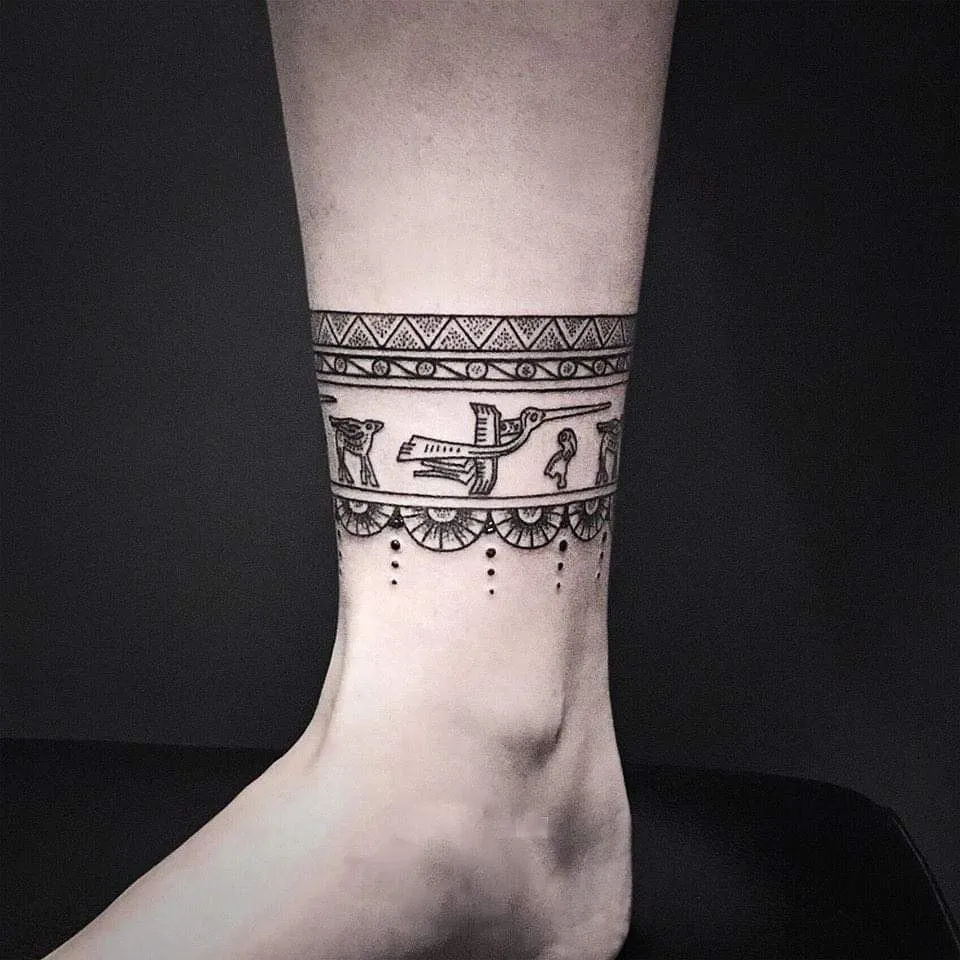
Ankle
Delicate and beautiful, but quite "bitey" due to the lack of cushion.
Torso placement
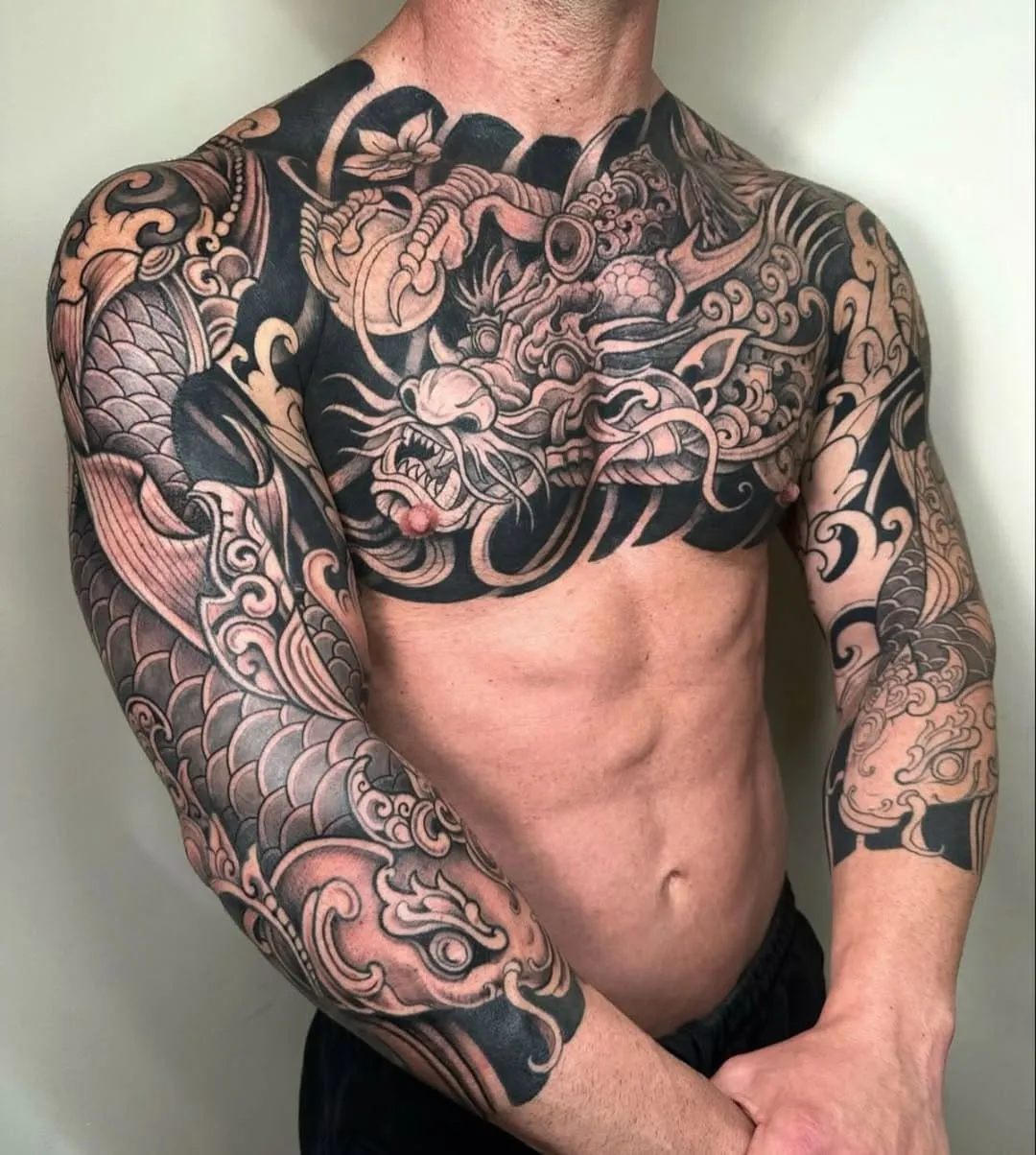
The torso provides a wide, expansive canvas for high-impact art. Chest tattoo placement is a classic choice for bold, symmetrical designs like Old School eagles or traditional Vietnamese motifs. It’s a powerful location that sits close to the heart, often used for pieces with deep personal meaning.
Back
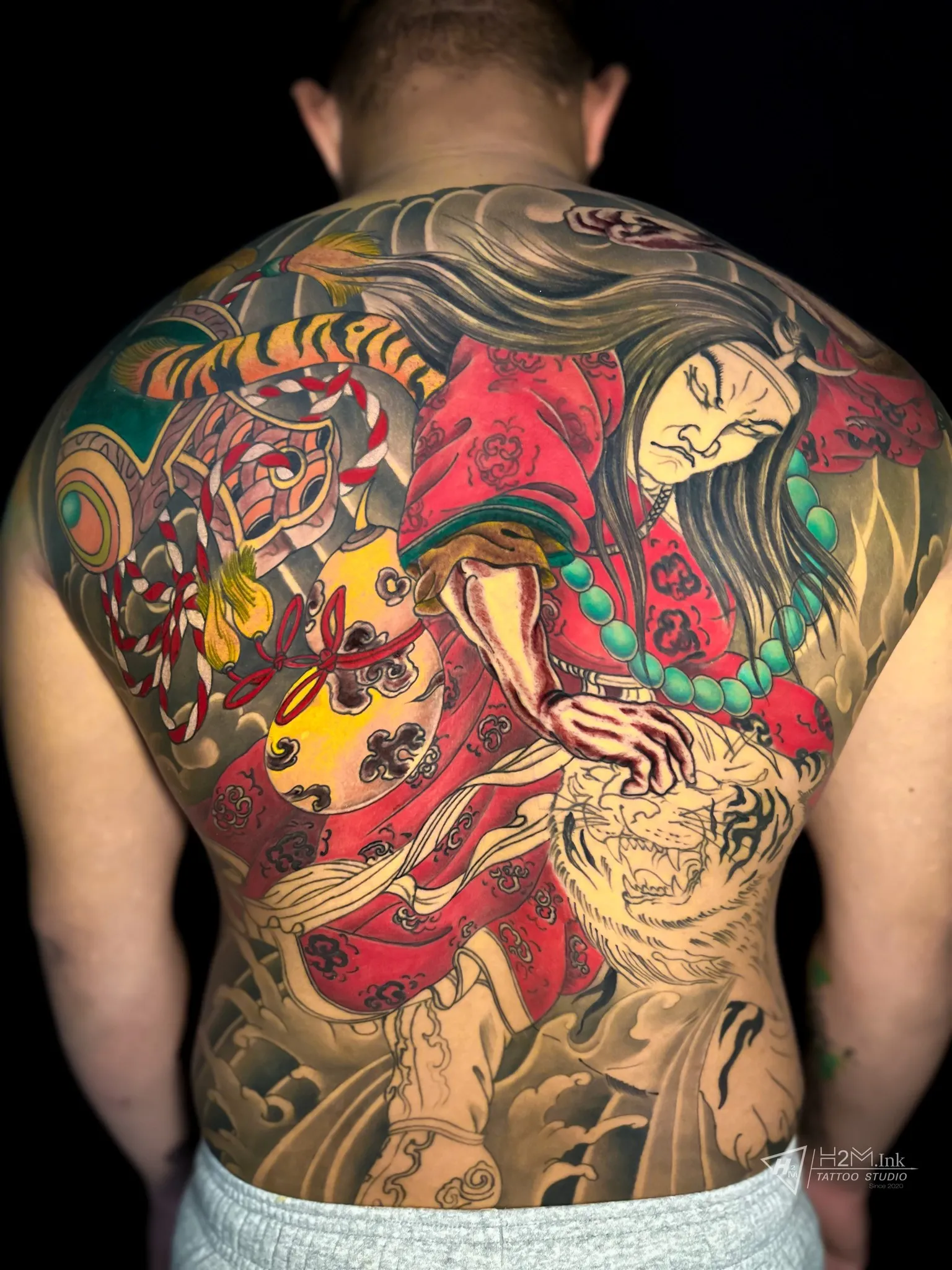
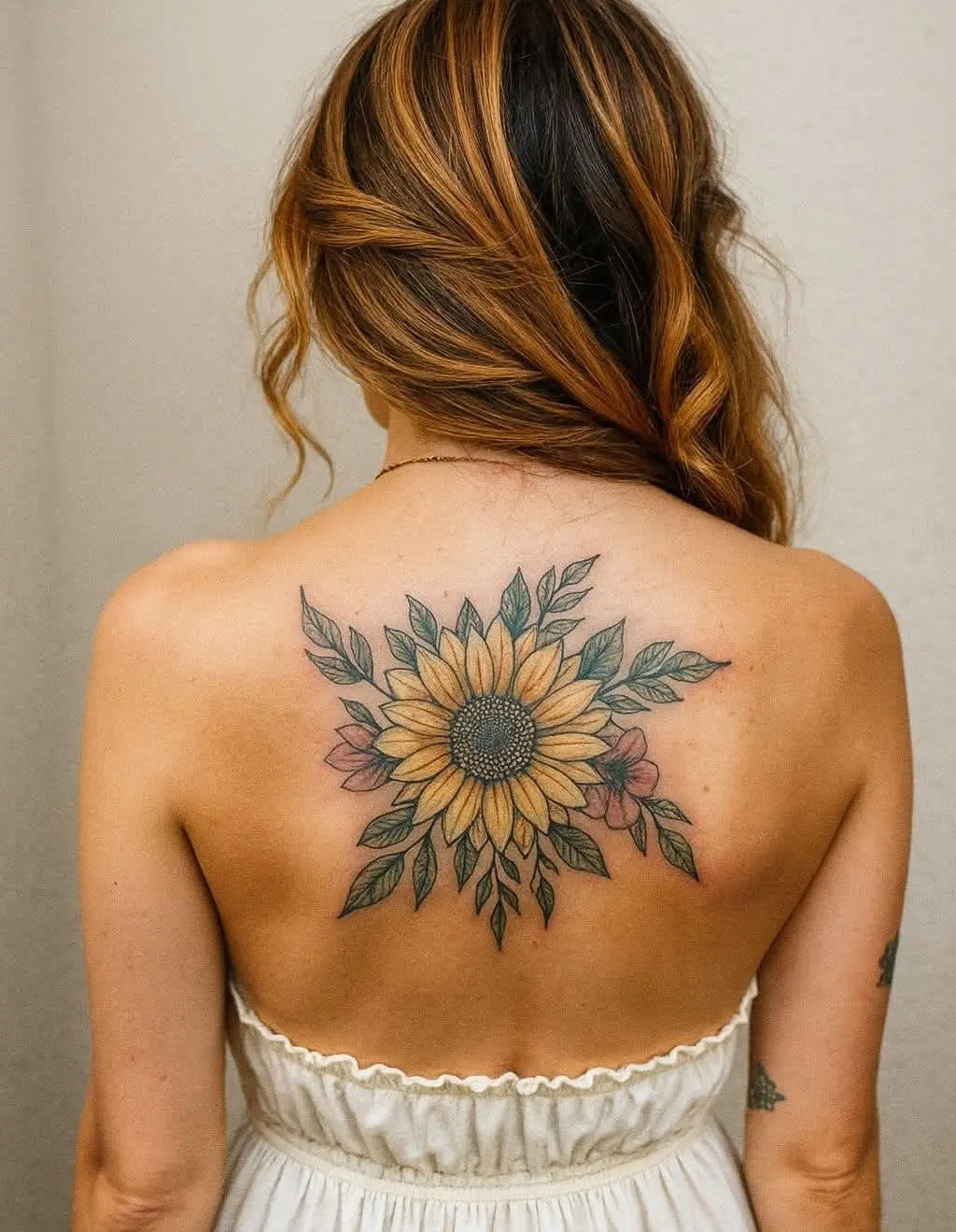
Back tattoo placement is the ultimate canvas. The shoulder blades are relatively easy (4/10), but as the needle moves toward the spine or kidneys, the intensity increases significantly.
Stomach
A soft area that can be quite uncomfortable because there is no bone to provide a "counter-pressure" for the artist.
Ribs
As mentioned, this is the ultimate test of endurance but yields some of the most stunning, contoured results.
Head & Neck placement
These are for the bold. The neck is highly visible and carries a certain "edge." However, the skin here is thin and moves constantly, which means these tattoos require an expert hand to ensure they age gracefully. It is also a sensitive area, so be prepared for a bit more "bite" during the session.
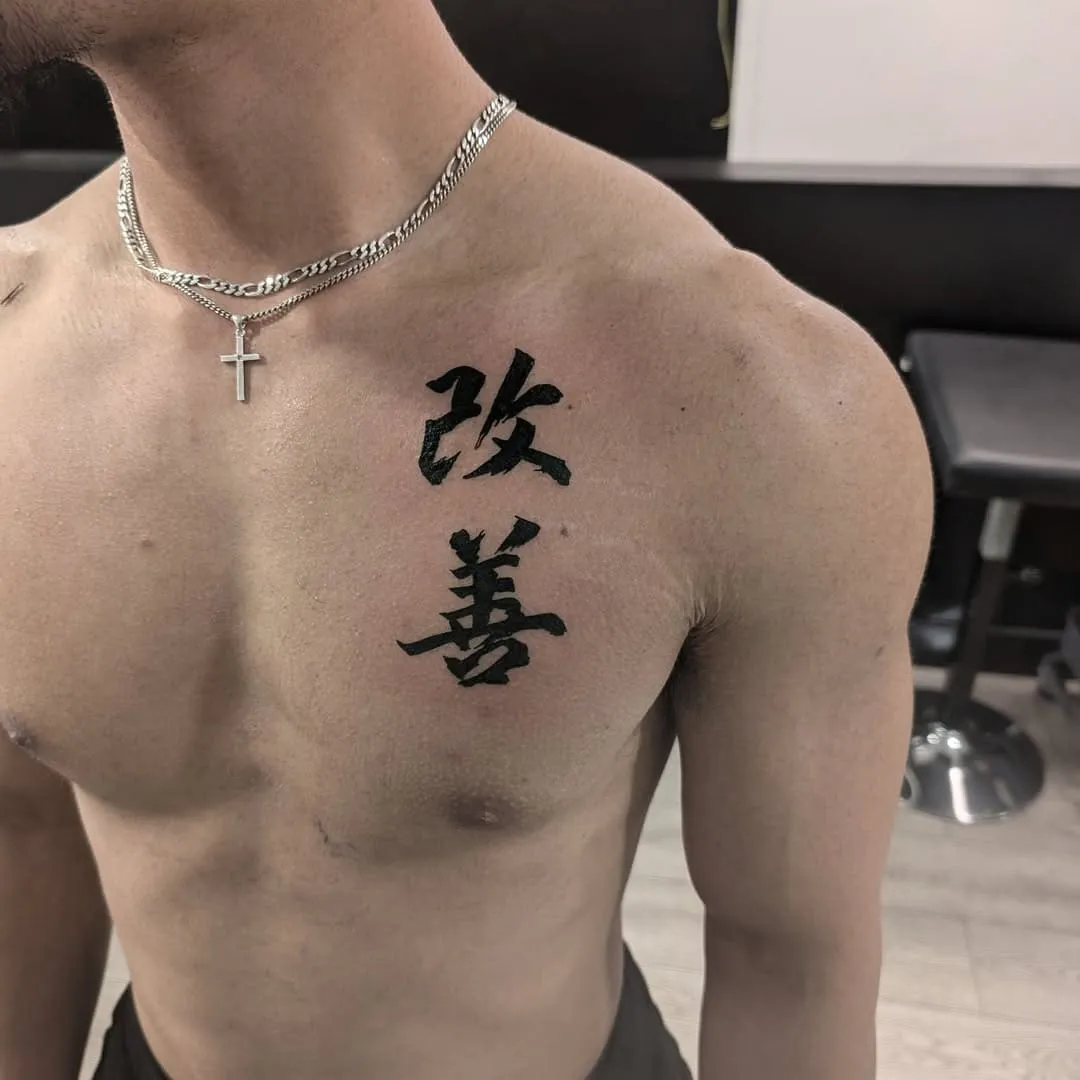
Tattoo placement recommendation for men
Men often gravitate towards placements that emphasize musculature and structure. Large-scale pieces on the chest, upper arms, and back are evergreen favorites. For a more modern look, we see many men opting for "wrap-around" designs on the calves or forearm pieces that utilize negative space. If you want something that looks powerful, consider how the lines of the tattoo can follow the natural peaks and valleys of your muscles.
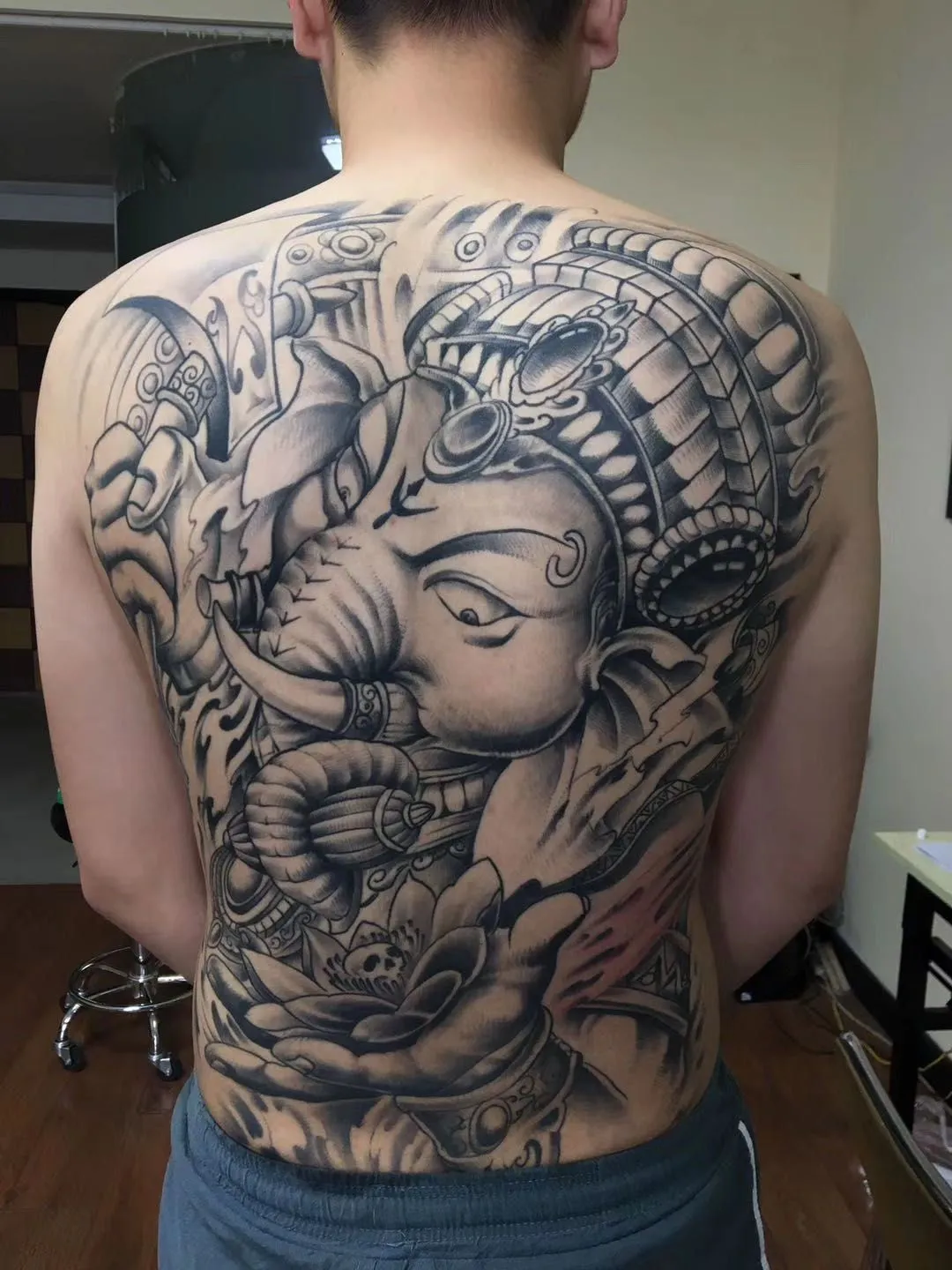
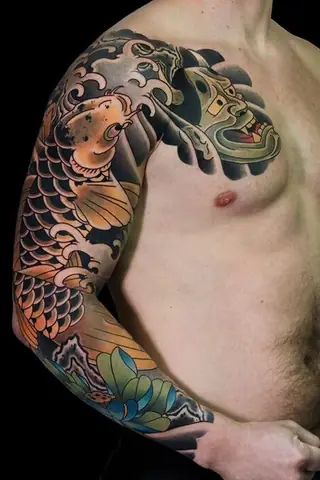
>>> Read More: 7 Best Tattoo Location on Body Choices: The Ultimate Guide for Perfect Placement
Tattoo placement recommendation for women
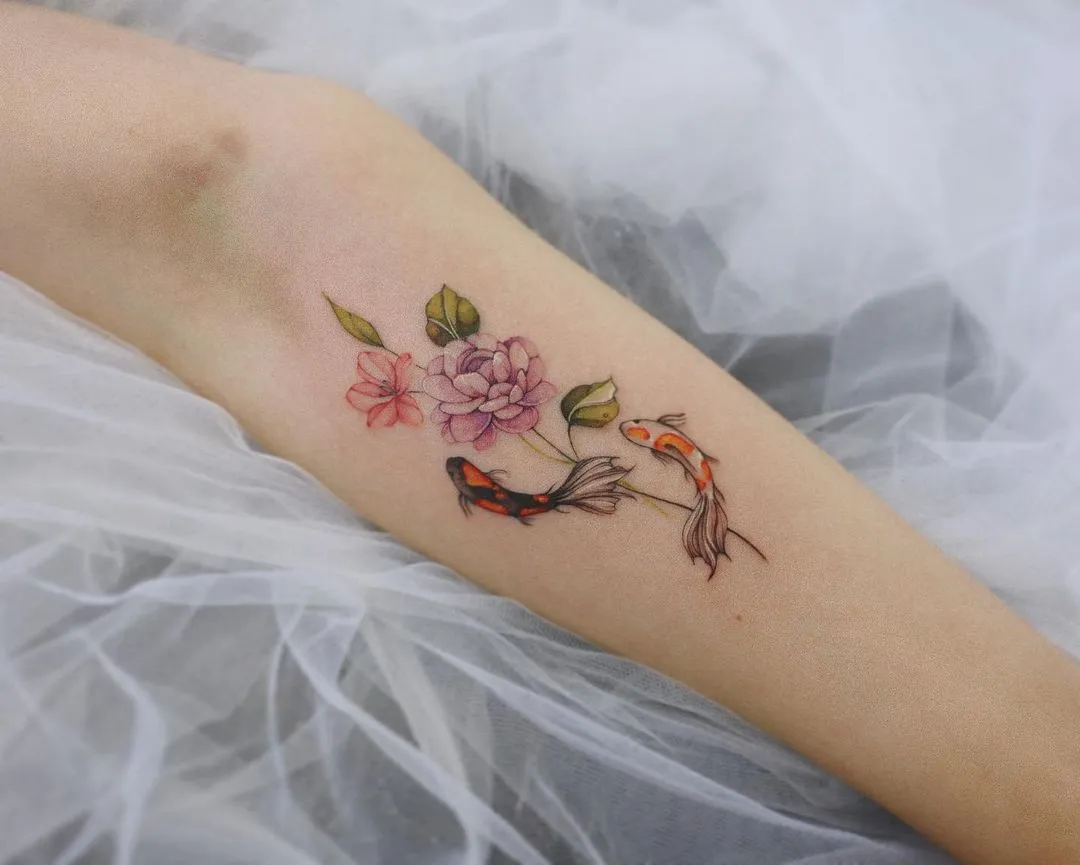
For women, placement is often about elegance and how the art complements the body’s natural curves. The collarbone, rib cage, and behind the ear are popular for minimalist or fine-line designs. Thigh pieces and "under-bust" tattoos have also become incredibly popular, offering a blend of intimacy and artistic flair. The goal is often to create a piece that feels like a natural extension of the body rather than something just "placed" on top of it.
FAQ
Does placement affect the cost of a tattoo?
Yes, it can. While size and detail are the main factors, tattooing on difficult areas like the ribs or stomach may take longer and require more specialized skill, which can influence the final price.
Can I tattoo over scars or stretch marks?
Usually, yes! However, the scar must be fully healed (typically at least one year old). It’s best to come in for a consultation so our artists can feel the texture of the skin and design something that camouflages the area effectively.
How do I know if my placement will "distort" if I gain weight or muscle?
Most tattoos move with your body. However, areas like the stomach or inner thighs are more prone to change. Stable areas like the forearms, shins, and upper back are the most "distortion-proof."
Choosing your tattoo placement is a journey of balancing what you love with what your body allows. At H2M Tattoo Studio, we pride ourselves on being more than just artists; we are your consultants. With over 9 years of experience and a team that understands the needs of travelers, we are here to ensure your mark in Vietnam is a masterpiece.
If you're wandering through the Hanoi Old Quarter and feeling inspired, stop by our studio. Our English and Chinese-speaking team is ready to help you find that perfect spot. Let’s create something timeless together.