

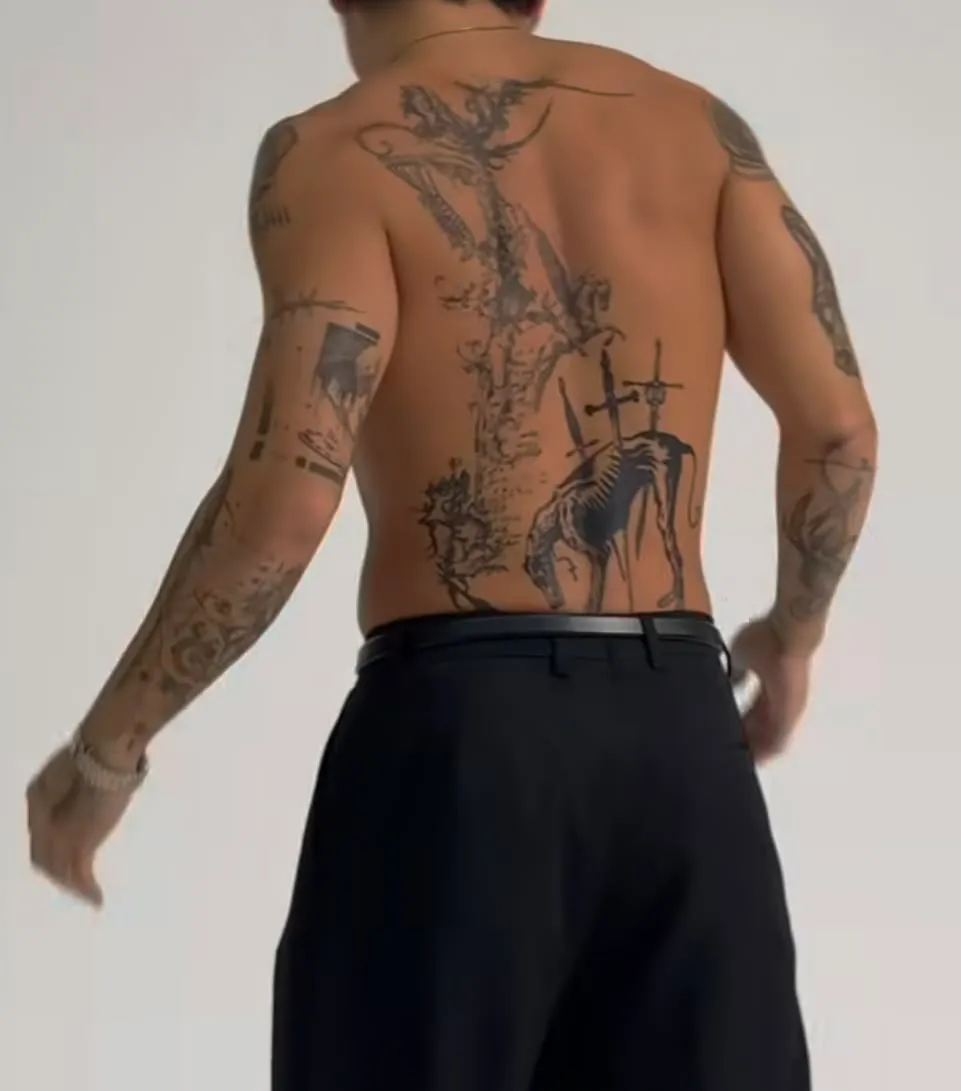
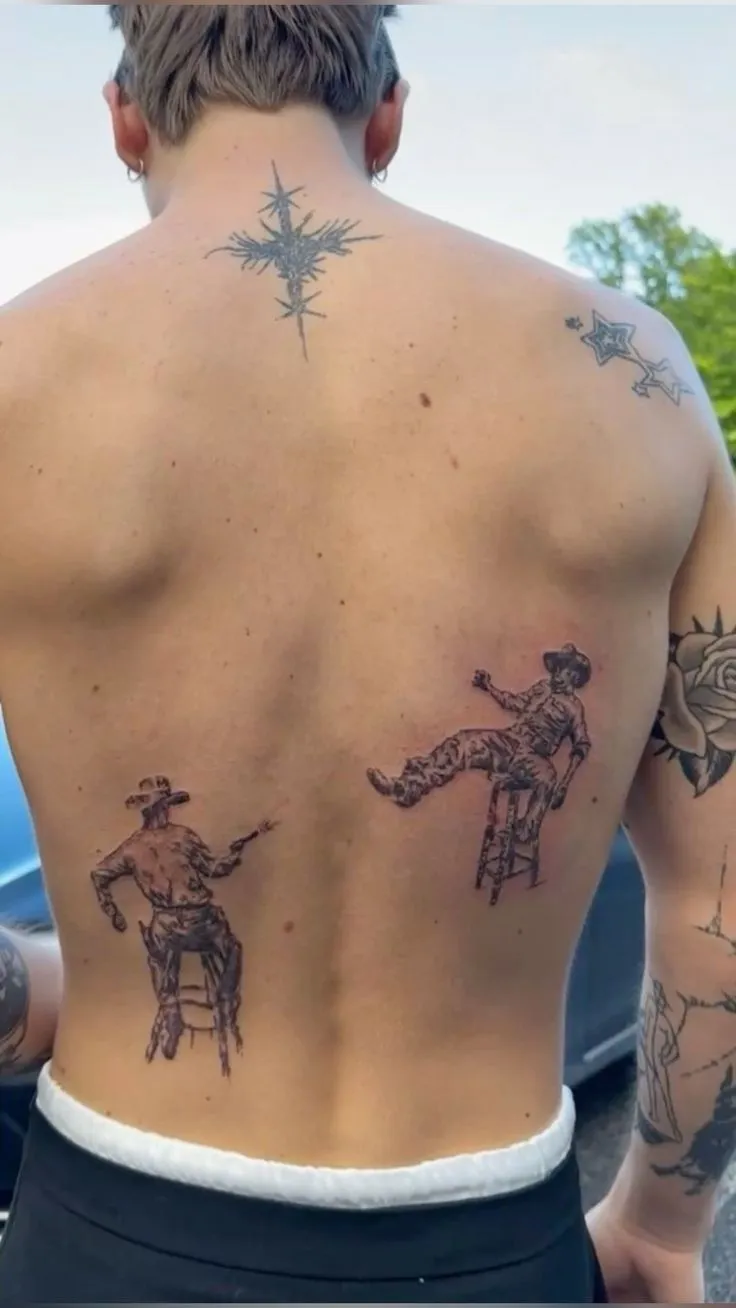
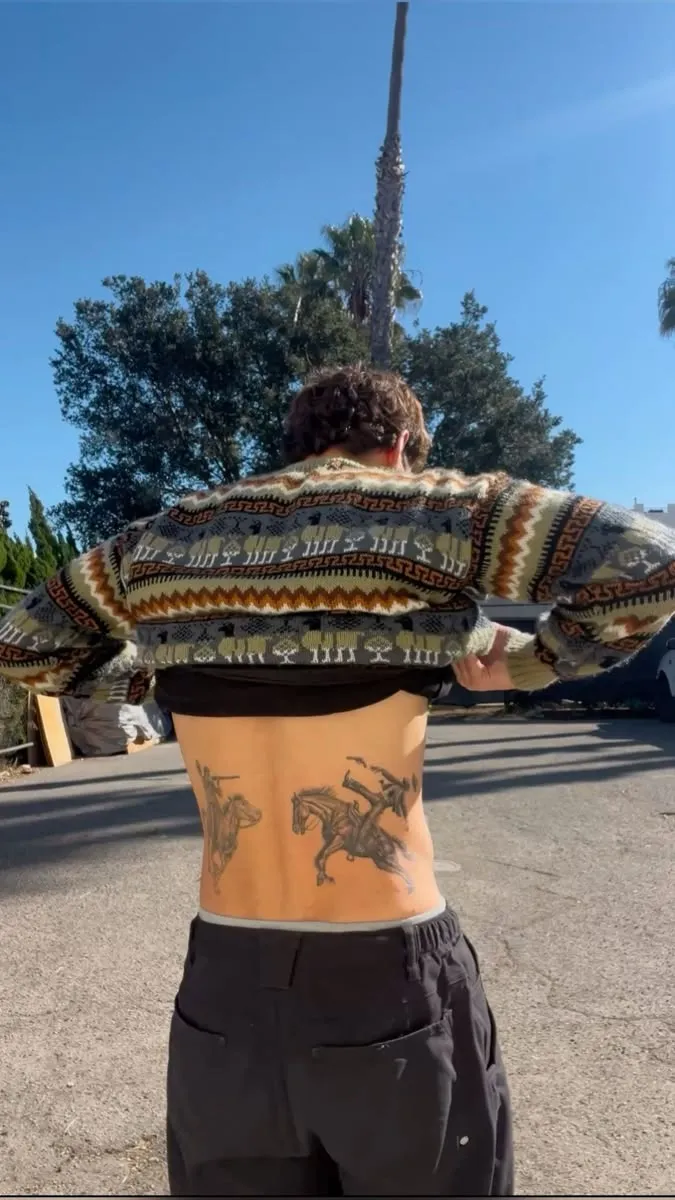
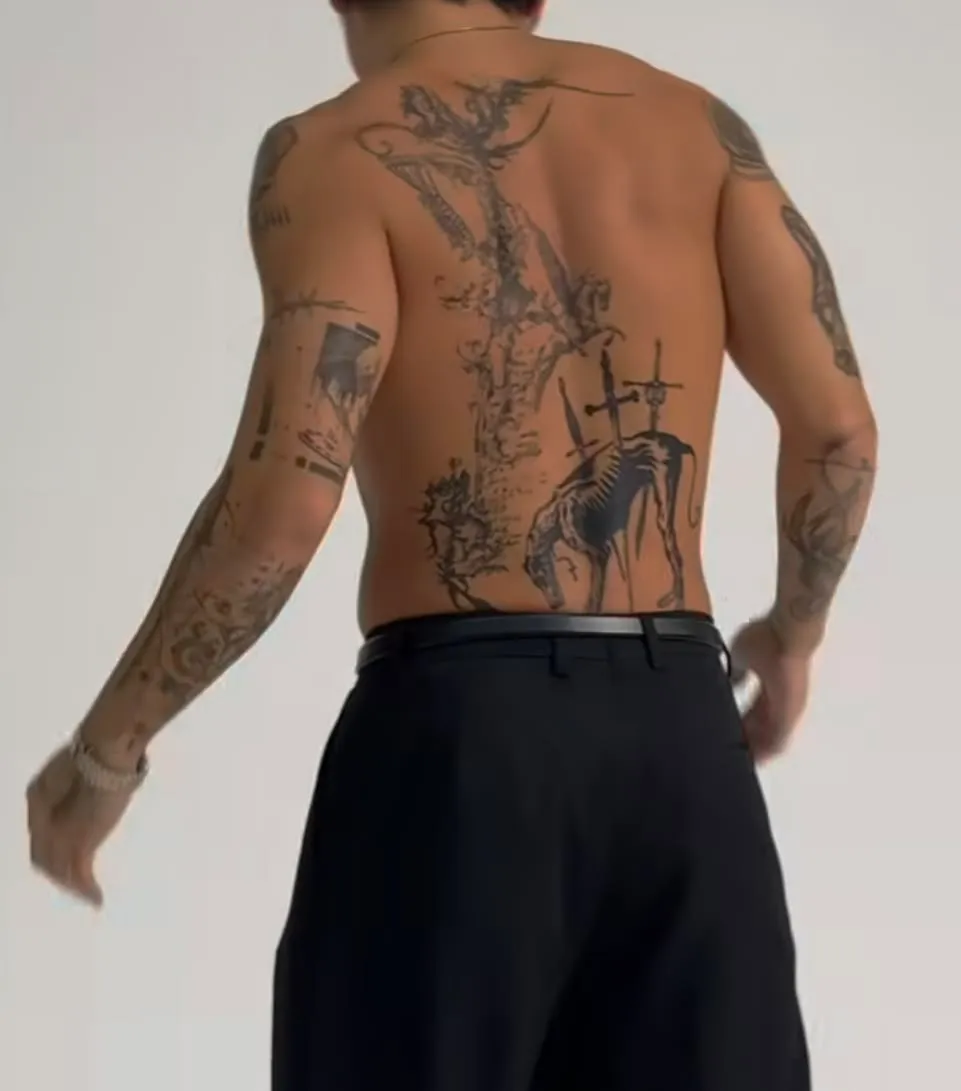
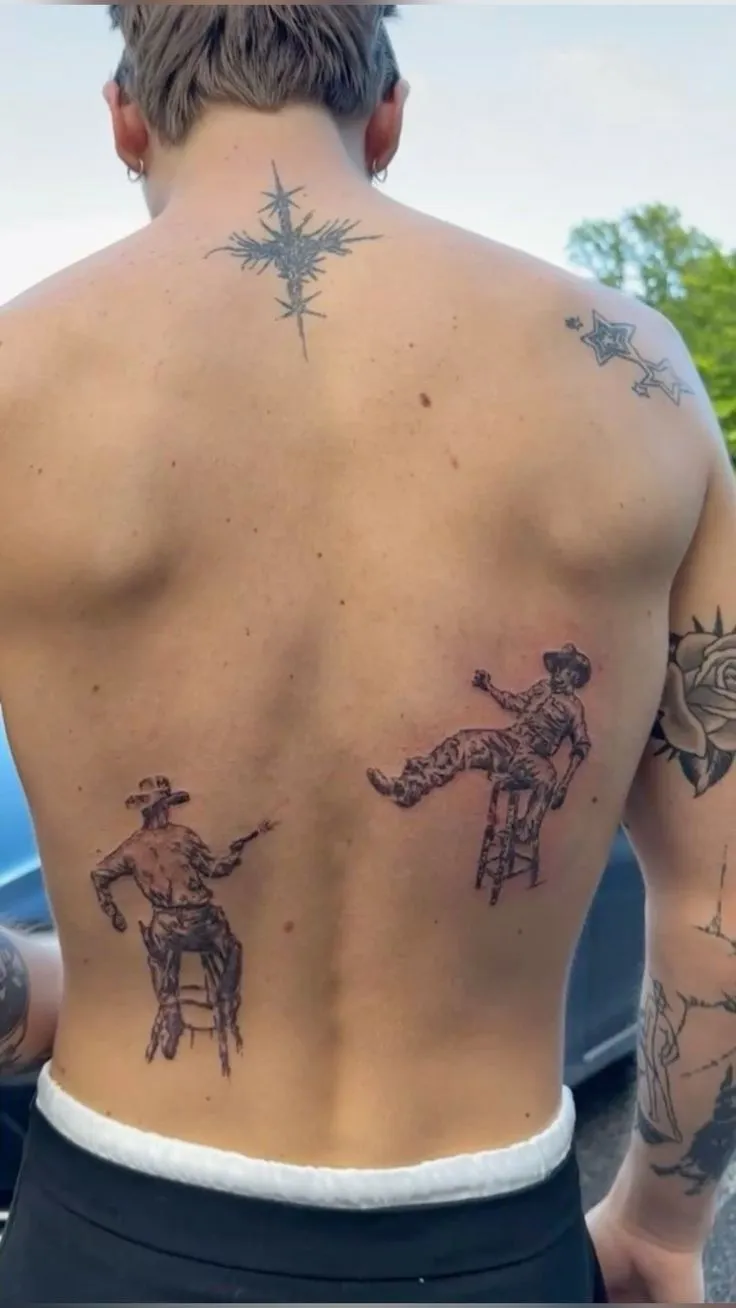
Lower back tattoos for men are a bold, increasingly popular choice that combines visual impact with the option to conceal the design when needed. The lower back offers a wide, symmetrical canvas that suits large-scale compositions, geometric patterns, Oriental motifs, and text-based designs. H2M Tattoo Studio - located at 17 Luong Ngoc Quyen in Hanoi's Old Quarter - has completed hundreds of lower back tattoo projects over 9 years of operation, with a team of 22 artists and staff experienced across multiple styles including Vietnamese Traditional, Old School, and Realism.
According to Statista's 2023 Global Tattoo Industry Report, the Asia-Pacific tattoo market is projected to grow at a compound annual rate of 8.2% through 2028, reflecting growing acceptance of tattoo placements once considered unconventional for men.
Key Takeaways
- The lower back is a wide, symmetrical placement that supports large, detailed compositions as well as minimalist designs.
- Styles that work best on the lower back for men include Geometric, Oriental, Tribal, Old School, and Realism.
- Pain levels on the lower back are moderate - the area is more tolerable than ribs or spine but more sensitive than the upper back or shoulders.
- Choosing an experienced artist with a strong portfolio in back placements is the most important factor in achieving a clean, lasting result.
Why Men Are Reconsidering the Lower Back as a Tattoo Placement
For years, the lower back carried cultural associations that discouraged men from choosing the placement. The "tramp stamp" label - originating in early 2000s pop culture - stigmatized lower back tattoos regardless of design quality or the wearer's gender. That framing has shifted significantly over the past decade.
Male tattoo collectors and professional artists have reclaimed the lower back as a legitimate canvas for ambitious, high-quality work. International tattoo competitions in 2023 and 2024 featured multiple award-winning lower back pieces worn by men, signaling a clear change in how the tattoo community evaluates the placement. The lower back now appears regularly in editorial features across Inked Magazine, Tattoo Life, and Tattoodo - positioned alongside upper back and sleeve work as a serious placement choice.
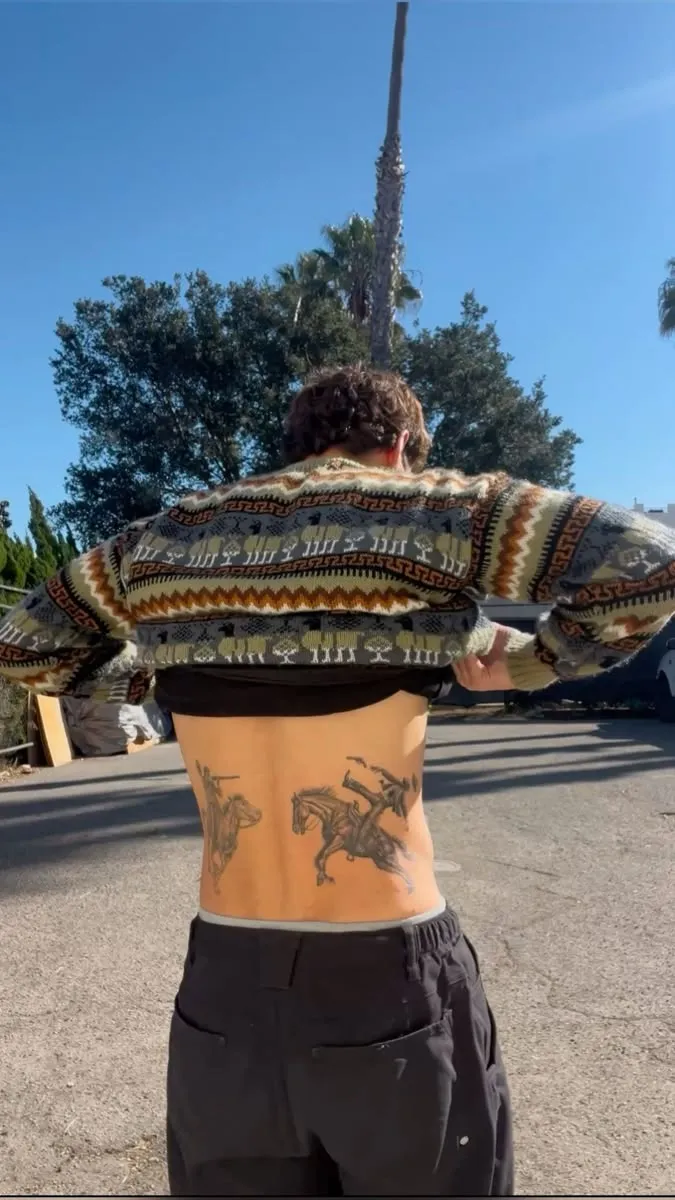
The shift reflects a broader trend: men are exploring non-traditional placement areas including the chest, ribcage, hands, and lower back to create compositions that extend across the full body. Exploring back tattoos for men as a full category reveals how the lower back functions as a natural anchor point in these full-body layouts.
What Makes Lower Back Tattoos Work for Men?
The lower back sits between the hips and the base of the spine, creating a surface with natural horizontal width. Most adult men have enough space in this area to support designs ranging from 10 cm minimalist pieces to full-width compositions spanning hip to hip.
Muscle Definition and Symmetry
The anatomy of the male lower back lends itself to symmetrical designs. The erector spinae muscles on either side of the lumbar spine create a natural vertical center line, making the lower back ideal for mirrored motifs - paired dragons, symmetrical wings, bilateral geometric patterns, or mandala-style compositions that radiate from a central point. As muscle definition increases through physical training, lower back tattoos shift and move dynamically, adding visual depth to the design.
Visibility and Discretion
The lower back remains fully hidden under standard clothing - trousers, shorts, and most athletic wear cover the area completely. This makes lower back tattoos suitable for professionals in conservative work environments who prefer to keep body art private during business hours. At the same time, the placement becomes fully visible in summer or at the beach, allowing the wearer to display the work intentionally. This dual nature - fully concealable, fully revealable - is one of the placement's most practical advantages.
Best Lower Back Tattoo Styles for Men
Not every tattoo style suits the lower back equally well. Some designs gain impact from the horizontal width of the placement; others need the flatness and minimal curvature of the lumbar area to maintain clean linework across the skin.
| Style | Why It Works on the Lower Back | Complexity Level |
|---|---|---|
| Geometric | Symmetrical patterns align with the spine and hip structure | Medium to High |
| Oriental / Asian | Dragon and phoenix compositions extend naturally across the full width | High |
| Tribal | Bold black linework reads clearly across the horizontal plane | Medium |
| Old School | Anchor and eagle motifs translate well to the lower back width | Medium |
| Realism | Portrait and landscape pieces benefit from the flat, wide surface | High |
| Blackwork | Mandala and dot-work patterns center well on the lumbar spine | Medium |
| Lettering / Script | Single lines of text sit naturally along the horizontal axis | Low to Medium |
H2M Tattoo Studio specializes in Oriental and Vietnamese Traditional styles - both of which translate with particular strength to the lower back. Oriental compositions in this placement often feature dragons, koi fish, or floral arrangements that wrap from the lower back toward the sides of the torso, creating a foundation for full back or full body pieces.
Lower Back Tattoo Placement Options for Men
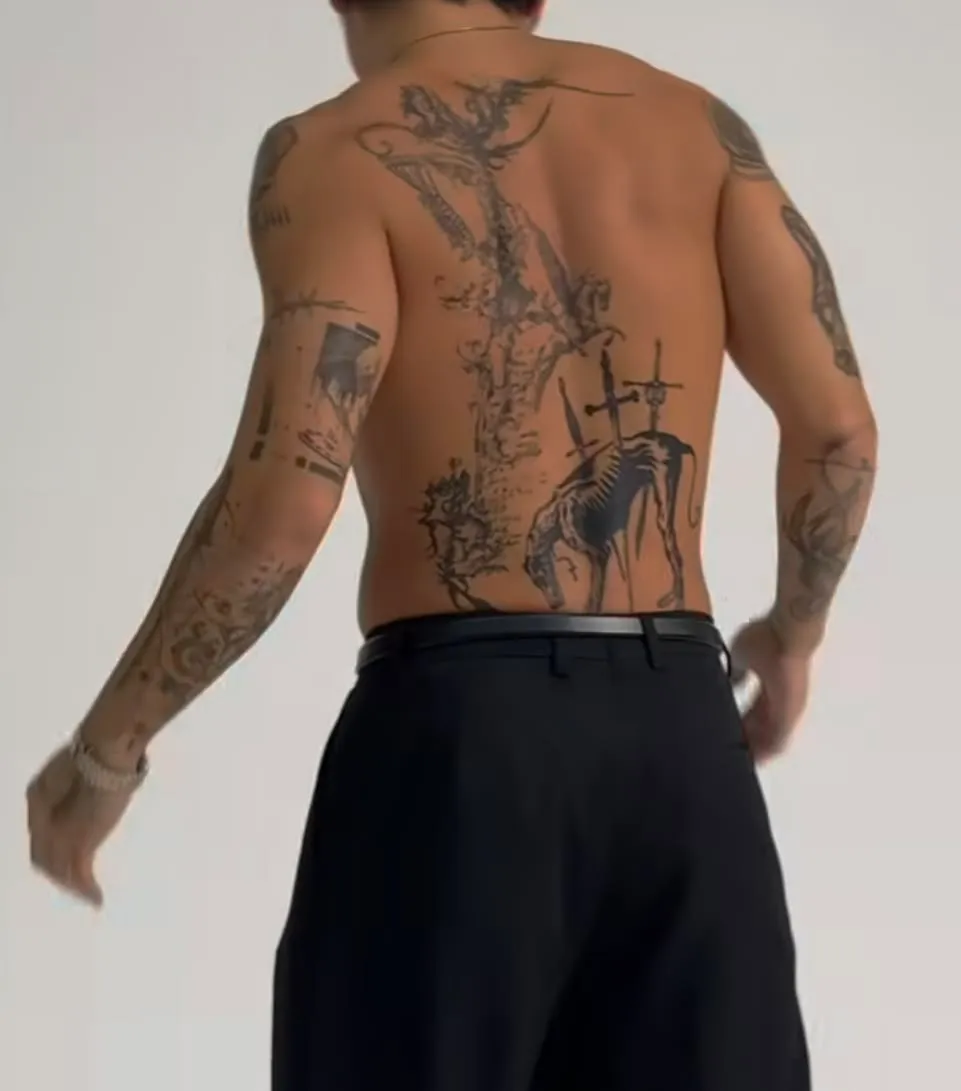
The lower back is not a single fixed zone - artists divide the area into several distinct placement options depending on the size, orientation, and style of the intended design. Understanding back tattoo placement in advance of a consultation helps men communicate design intentions clearly to their artist and ensures the finished piece sits correctly relative to the body's natural lines.
Center placement positions the tattoo directly above the tailbone, aligned with the spine. Center placements work well for vertically oriented designs, single symbols, or mandala-style compositions that radiate outward from a focal point.
Full-width placement spans from hip to hip across the lumbar area, maximizing the horizontal canvas. Full-width pieces suit landscape compositions, paired symmetrical motifs, or large Oriental designs that benefit from the extended horizontal space.
Side placement positions the tattoo off-center, usually tilted toward one hip. Side placements work for asymmetrical designs or for tattoos intended to connect with existing ribcage or hip work.
Sacral placement positions the design slightly lower, at the sacrum bone directly above the tailbone. Sacral placements are popular for geometric and mandala designs, as the bone structure creates a natural anchor for radially symmetrical compositions.
Design Ideas That Work Best on the Lower Back
Choosing the right design for the lower back requires matching the motif's shape to the horizontal nature of the placement. Designs that extend naturally from left to right tend to work better than tall, narrow compositions.
Dragon compositions are among the most requested lower back tattoo designs for men. A dragon positioned horizontally - body curving across the lower back with the head and tail extending toward the hips - creates a powerful composition that mirrors the natural width of the placement. Oriental-style dragons in black and grey or full color are particularly effective.
Geometric mandala designs center on the spine and radiate outward in symmetrical patterns. Mandalas use the flatness of the lower back to maintain even spacing between geometric elements, which is difficult to achieve on curved or muscular body parts.
Eagle and wingspan designs extend naturally across the horizontal plane, with the bird's wingspan filling the full width of the lower back. Old School and American Traditional eagle motifs translate especially well to this placement.
Landscape and scene-based compositions - mountains, forests, ocean horizons - use the wide horizontal canvas to create panoramic visual narratives. Blackwork and fine line styles suit landscape compositions on the lower back.
Script and lettering works along the natural horizontal axis of the lower back. Single lines of text in a meaningful language - Latin, Japanese, Vietnamese - sit cleanly across the lumbar area without distortion. Men who want a discrete entry point often start with small back tattoos for men in this zone before expanding the collection toward the upper back and shoulders.
What to Know Before Getting a Lower Back Tattoo
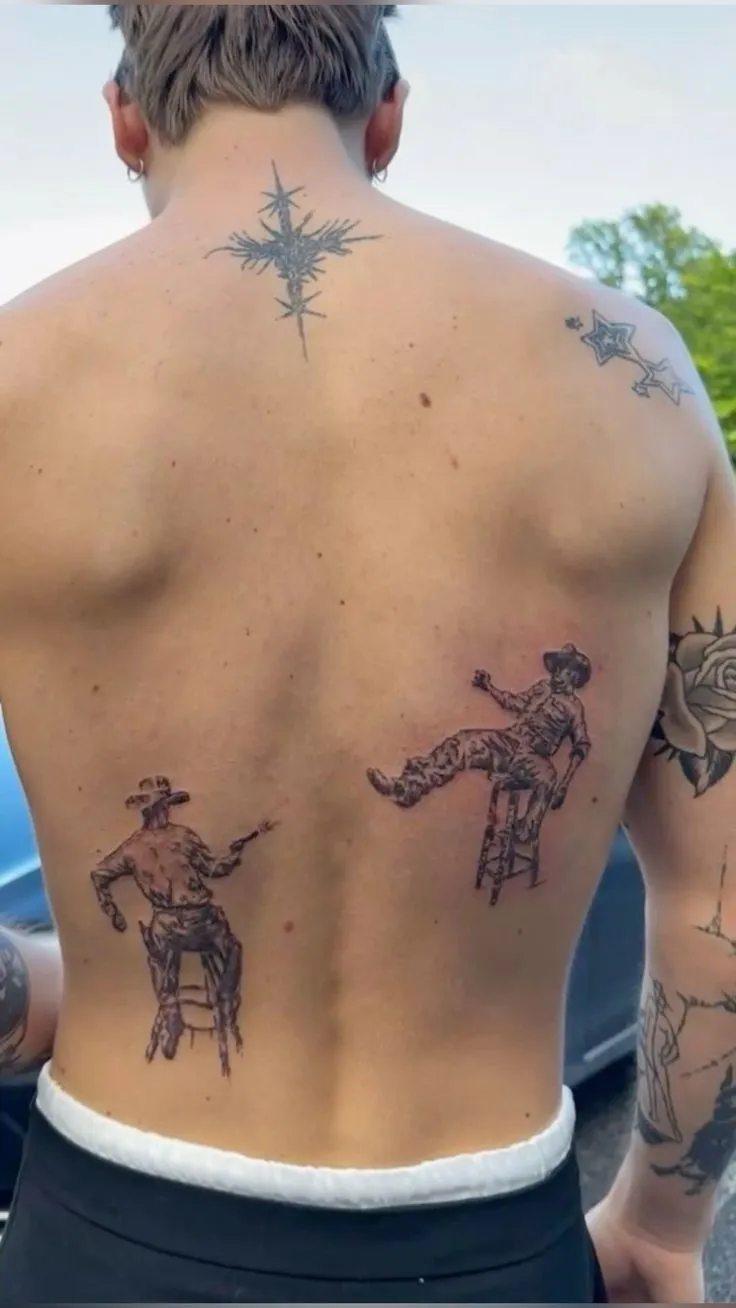
Several practical factors affect the experience and outcome of a lower back tattoo. Understanding these points before booking a consultation helps men make informed decisions about timing, design, and artist selection.
Pain level: The lower back sits in a moderate pain zone for most people. The lumbar spine is more sensitive than the shoulder blades or upper back, but less intense than the ribcage or tailbone. The area contains fewer major nerve clusters than the hands or neck, making it manageable for most first-time tattoo clients.
Healing considerations: The lower back is a low-movement area compared to joints like the elbow or knee, which supports clean healing. However, tight waistbands and belts can press against fresh work during the first two weeks. Clients should plan to wear loose clothing - high-waisted shorts or dresses rather than fitted trousers - during the initial healing period of 2–4 weeks.
Artist selection: The quality of the artist is the single most important factor in a successful lower back tattoo. The area's width means that any inconsistency in line weight, shading, or symmetry becomes immediately visible. Selecting an artist with documented experience in the intended style - supported by a portfolio of completed back pieces - is essential.
Men planning larger back compositions should discuss half back tattoos for men or full back layouts with their artist before committing to the lower back alone, ensuring the lower back design integrates naturally with any future upper back work.
H2M Tattoo Studio - Lower Back Tattoo Specialists in Hanoi
H2M Tattoo Studio is a professional tattoo studio located at 17 Luong Ngoc Quyen, Hoan Kiem District, in Hanoi's Old Quarter. The studio has operated for 9 years and currently employs 22 staff members, including artists with a minimum of 5 years of individual experience. The 100m² flagship studio space accommodates groups of 5–10 people simultaneously, making H2M a practical destination for travelers visiting Hanoi with friends or partners.
H2M's consultation team communicates in English, Mandarin, and Japanese, supporting international visitors throughout the design, booking, and aftercare process. The studio holds a business registration certificate issued by the Finance and Planning Department of Hoan Kiem District, Hanoi. H2M Tattoo Studio is recognized as the best tattoo studio Hanoi has to offer for international visitors seeking high-quality Oriental and Traditional work in the heart of the Old Quarter.
Conclusion
Lower back tattoos for men have undergone a significant reappraisal over the past decade. The placement now carries serious credibility in the global tattoo community, supported by the anatomy's natural width, the flexibility to conceal or display the design, and the suitability for a broad range of styles from geometric mandala work to full-scale Oriental compositions.
Men considering a lower back tattoo should research styles thoroughly, review artist portfolios carefully, and approach the placement as a foundation for a larger back composition rather than an isolated design decision.
For international visitors to Hanoi looking to commemorate their trip with professional, lasting ink, H2M Tattoo Studio in the Old Quarter offers experienced artists, multilingual consultation, and a flagship studio space designed to handle complex, large-scale back work.
Book a consultation with H2M Tattoo Studio before your visit to Hanoi to secure your preferred artist and discuss design options for your lower back piece.
Frequently Asked Questions
Q: Are lower back tattoos painful for men?
A: The lower back sits in a moderate pain range. Most men describe the sensation as manageable - more uncomfortable than the shoulder or upper arm, but less intense than the ribs or spine. The lumbar area has fewer major nerve clusters than the hands or neck, making it a reasonable first placement for people with low to moderate pain tolerance.
Q: How long does a lower back tattoo take to heal?
A: Initial healing for a lower back tattoo takes 2–4 weeks. During this period, the skin surface seals and begins to peel. Full dermal healing - the point at which colors and linework are fully settled - takes 3–6 months. During the first two weeks, clients should avoid tight waistbands, direct sun exposure, and submersion in water.
Q: What size works best for a lower back tattoo on men?
A: The lower back supports a wide size range. Small designs of 5–10 cm work well centered above the spine, while large compositions can extend hip to hip at 30–40 cm wide. Medium pieces at 15–25 cm offer the most flexibility in terms of design complexity and future expansion into a full back piece.
Q: Can a lower back tattoo be incorporated into a full back piece?
A: Yes. Many men start with a lower back tattoo and later expand the composition upward through the mid-back and shoulder blades to create a full back piece. Planning the lower back design with expansion in mind - selecting an orientation and style that connects logically with spine tattoos for men or upper back work - avoids compositional conflicts later.
Q: Which tattoo styles suit the lower back for men?
A: Geometric, Oriental, Tribal, Old School, Blackwork, and Realism styles all work well on the lower back. The placement's horizontal width favors designs that extend naturally from side to side - wing motifs, dragon compositions, landscape scenes, and mandala patterns. Narrow vertical designs suit the center spine zone specifically.
Q: How do I choose the right artist for a lower back tattoo in Hanoi?
A: Look for an artist with a documented portfolio of completed back pieces in the style you want. Review healed results - not just fresh photos - to assess how the artist's linework and shading hold over time. At H2M Tattoo Studio in Hanoi's Old Quarter, consultations are available in English, Mandarin, and Japanese, allowing international visitors to discuss design details directly with experienced artists before committing to a booking.